Changing Table Dresser: The Complete Guide
Discover the perfect changing table dresser that combines safety, style, and storage for your nursery. From safety standards to smart organization, we help you choose with confidence.
A changing table dresser is one of the most versatile and essential pieces of nursery furniture. It combines a safe, dedicated changing station with the storage capacity of a classic dresser, making it the ultimate space-saving solution. Whether you're a new parent or upgrading your nursery, this guide covers everything you need to know to make an informed purchase.
What Is a Changing Table Dresser?
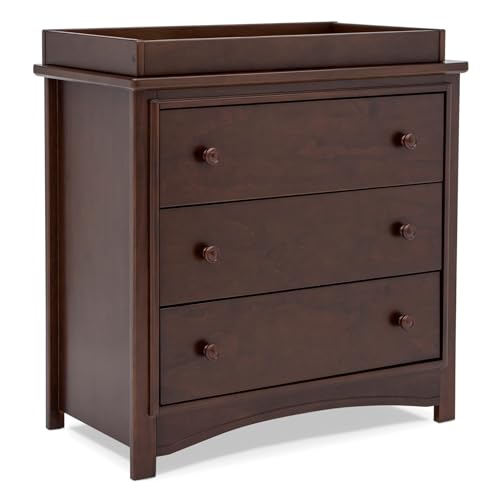
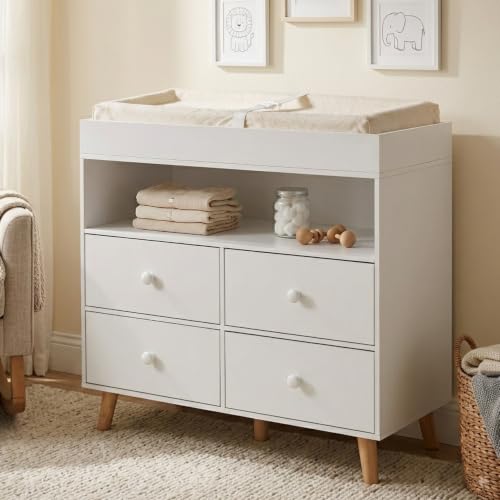
A changing table dresser is a dual-purpose furniture piece that merges a traditional dresser with a built-in changing station. The top of the dresser is designed to securely hold a changing pad, with raised edges or a safety rail to keep your baby safe during diaper changes. Below, you'll find spacious drawers to store diapers, wipes, onesies, blankets, and all other nursery essentials.
This design eliminates the need for a separate changing table, saving valuable floor space and money. It's a practical choice for nurseries of all sizes, from cozy apartments to spacious family homes.
Why Choose a Changing Table Dresser?
Space-Saving Design
Combines two essential pieces into one, freeing up floor space for other furniture or play areas.
Ample Storage
Multiple drawers offer generous storage for diapers, clothes, and nursery accessories, keeping everything organized and within reach.
Long-Term Use
Once your baby outgrows the changing stage, it seamlessly transitions into a stylish, functional dresser for years of use.
Safety & Convenience
Designed with safety rails and a secure surface for the changing pad, and positioned at a comfortable height to reduce back strain.
Safety First: What to Look For
When choosing a changing table dresser, safety is paramount. Here are the critical safety features to check before making your purchase.
✅ Essential Safety Features
- Safety Rails or Raised Edges: At least 1.5 inches high on all sides to prevent your baby from rolling off.
- Sturdy Construction: Made from solid wood or high-quality engineered wood that doesn't wobble.
- Non-Toxic Finish: Look for water-based, lead-free, and phthalate-free paints and varnishes.
- Safety Strap: Some models include a safety strap to secure the changing pad.
- Anti-Tip Hardware: Wall-anchoring kit included to prevent tipping accidents.
- Meets Standards: Complies with ASTM or CPSC safety standards for nursery furniture.
Size & Space Considerations
Choosing the right size is crucial for both functionality and safety. Here's a breakdown of the standard dimensions to help you plan your nursery layout.
- Height: The ideal height for a changing table dresser is between 36 and 40 inches. This allows for a comfortable standing position without bending over excessively.
- Width: Standard widths range from 36 to 44 inches. Ensure you have enough space to move around the dresser and access drawers easily.
- Depth: Typically 18 to 22 inches deep. The changing pad should fit securely on the top surface.
- Drawer Depth: Look for deep drawers that can hold folded clothes, blankets, and larger diaper boxes.
If you have a narrow dresser space, consider compact models around 30 inches wide. For larger nurseries, a wide dresser with 4 to 6 drawers offers maximum storage.
Materials & Construction
The material of your changing table dresser affects its durability, safety, and overall aesthetic. Here are the most common materials to consider.
- Solid Wood (Oak, Walnut, Pine): Offers superior durability, longevity, and a timeless look. Solid wood dressers are heavy, stable, and can be refinished or painted later. A solid wood dresser is an investment piece that lasts through multiple children.
- Engineered Wood (MDF, Plywood): More affordable and often lighter. High-quality engineered wood with a durable veneer can be just as reliable as solid wood, but check for low-VOC adhesives.
- Rattan or Bamboo: For a boho or eco-friendly look, rattan or bamboo offers a lightweight, sustainable alternative.
Style & Design: Matching Your Nursery
A changing table dresser doesn't have to be purely functional—it can also be a beautiful focal point. Here are popular styles to consider.
- Modern / Contemporary: Clean lines, minimalist hardware, and neutral colors like white, gray, or black. A modern dresser fits well in a sleek, uncluttered nursery.
- Farmhouse / Rustic: Features distressed wood, beadboard details, and cup pulls. Perfect for a cozy, warm nursery.
- Scandinavian / Mid-Century: Characterized by tapered legs, warm wood tones, and simple geometric design. A mid-century dresser is both stylish and functional.
- Boho / Eclectic: Rattan accents, natural textures, and playful colors. A boho dresser adds personality to any nursery.
For more design inspiration, explore our nursery dresser ideas and dresser styling tips.
Top Features Checklist
Before you buy, make sure your changing table dresser has these practical features for a seamless experience.
- ☐ Safety rails on all sides
- ☐ Includes wall anchor kit
- ☐ Changing pad included or fits standard size (16" x 32")
- ☐ Smooth-gliding drawers with full-extension slides
- ☐ Durable, non-toxic finish
- ☐ Drawers with rounded edges or soft-close mechanisms
- ☐ Easy-to-clean surface
- ☐ Under-drawer space or open shelves for extra storage
Price & Budget: What to Expect
The price of a changing table dresser varies based on material, size, and brand. Here's a general breakdown to help you budget.
- Budget (under $400): Usually made of engineered wood with basic features. Good for temporary use or smaller nurseries. Check out our guide to the best budget dressers.
- Mid-Range ($400 – $900): Better construction, solid wood or high-quality veneers, and more durable finishes. Often includes safety rails and larger drawers.
- Premium ($900+): Solid hardwood, premium craftsmanship, designer aesthetics, and often includes additional features like soft-close drawers or a matching changing pad. See our list of best luxury dressers for inspiration.
For a high-quality, durable option, expect to spend $500–$1,200. A solid wood dresser is a worthwhile investment that will last through multiple children and can even be used in a different room later.
From Changing Station to Bedroom Dresser
One of the biggest advantages of a changing table dresser is its longevity. Once your child is potty-trained, you can simply remove the changing pad and safety rails (if detachable) to use it as a regular dresser. Here's how to make the transition seamless.
- Convert the Top: Add a decorative tray, a lamp, or framed photos to transform the top surface.
- Repurpose the Drawers: Organize clothes, toys, or school supplies using drawer organization ideas.
- Update the Look: Consider painting or refinishing the dresser to match your child's growing style. Check out our guides on how to paint a dresser and how to refinish a dresser.
Final Tips for a Smart Purchase
- Measure Twice: Always measure your nursery space, including doorways and hallways, to ensure the dresser can be delivered and placed properly.
- Read Reviews: Check customer reviews for real-world feedback on assembly, quality, and durability.
- Check the Warranty: A good warranty (1-5 years) indicates the manufacturer stands behind their product.
- Visit a Showroom: If possible, test the height, drawer smoothness, and stability in person.
Conclusion: The Perfect Changing Table Dresser for Your Nursery
Investing in a changing table dresser is a smart decision for any new parent. It offers a safe, convenient changing station and provides long-term storage that grows with your child. By focusing on safety features, quality materials, and a style that matches your nursery, you'll find the perfect piece that makes diaper changes easier and keeps your space organized.
Ready to find your ideal changing table dresser? Browse our selection of top-rated nursery dressers below. You can also explore our best nursery dressers list for more curated recommendations.