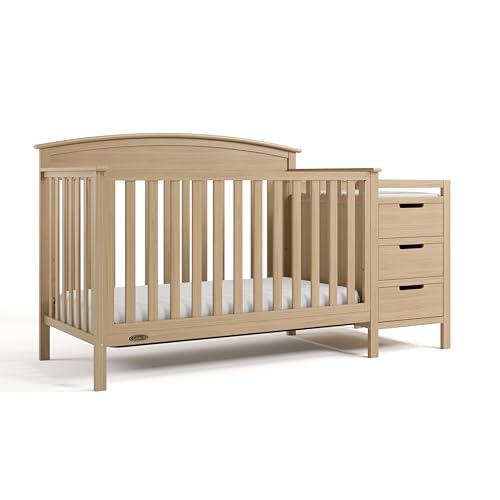
Changing Table and Dresser in One: The Complete Guide
A single piece of nursery furniture that handles diapering today and clothes storage for years. Here is everything you need to know before you choose a changing table dresser combo.
Why this matters: A changing table and dresser in one saves floor space, reduces clutter, and grows with your child. But safety, height, and drawer layout vary a lot between models. This guide walks you through the decisions that actually affect daily use — so you can pick a combo that works from day one through the school years.
What Is a Changing Table and Dresser in One?
A changing table and dresser in one is a dual-purpose nursery piece. The top surface holds a contoured changing pad with a safety strap and raised edges, while the body below provides drawers, shelves, or both for baby clothes, diapers, wipes, and bedding. When diapering ends, the topper comes off and the unit becomes a standard dresser.
This design is also sold under names like changing table dresser combo, changing dresser, and change table chest of drawers. The core idea is the same: one footprint serves two jobs. For families in smaller nurseries or apartments, that efficiency is the main draw.
There are two common build styles. The first is a dedicated combo where the changing surface is integrated into the dresser top. The second is a standard dresser paired with a removable changing table topper for dressers or a changing pad to put on top of dresser. The removable approach gives you more flexibility later, while integrated units often look more seamless.
Why Choose a Combo Unit?
The appeal goes beyond saving space. A combo keeps diapers, wipes, and fresh clothes within arm's reach, which matters during night changes. It also means one purchase instead of two, and one piece of furniture to move, clean, and anchor.
- Space efficiency: One footprint replaces a separate changing table and dresser.
- Longer lifespan: After the toddler years, the unit keeps working as a dresser.
- Centralized storage: Diapering supplies and clothes live in the same place.
- Fewer tip-over risks: One anchored piece instead of two freestanding ones.
- Simpler nursery layout: Easier to arrange around a crib and glider.
If you are still deciding between formats, our overview of changing table dressers covers the trade-offs between integrated and removable designs in more detail.
Safety First: What to Check Before Buying
Safety is the deciding factor for any nursery furniture. A changing surface raises the center of gravity, so stability and anchoring matter more than on a standard dresser.
Must-have safety features
- Wall anchoring kit included: Every dresser should be secured to the wall. This is non-negotiable with a changing top.
- Contoured changing pad with a strap: A slight dip and a safety belt help keep a wriggling baby in place.
- Raised rim on all four sides: Prevents the pad from sliding and adds a physical barrier.
- Sturdy base and wide footprint: A lower, wider stance resists tipping better than a tall, narrow chest.
- Drawer stops: Drawers should not pull all the way out and drop.
- Non-toxic finish: Look for low-VOC or water-based finishes, especially in a nursery.
Safe daily use
Always keep one hand on your baby during changes, and never leave them unattended on the surface — even for a moment. Keep the changing pad free of loose blankets and toys. Place the unit away from windows, cords, and heating sources. If the combo includes a changing station on top of dresser, confirm the topper locks securely to the dresser body.
Sizing and Height: Getting the Fit Right
Height is the most overlooked spec. A surface that is too low strains your back; too high and you lose control of the baby. Most caregivers find a changing surface around 36 to 40 inches from the floor comfortable, but your own height should guide the final choice.
Width matters too. A changing pad typically needs about 16 to 18 inches of depth, and the dresser top should extend a few inches beyond the pad on every side. If you are working with a tight nursery, a changing table dresser in a narrow profile can fit where a full-size combo cannot.
Drawer layout affects usefulness more than raw drawer count. Shallow top drawers are ideal for wipes, creams, and small clothes. Deeper lower drawers handle blankets and larger items. If you prefer open storage, a changing table with drawers and shelves gives you both.
Comparing the Main Options
The table below compares common combo formats by tier and best use. Tiers describe relative market position and build quality — not any specific figure.
| Format | Tier | Best For | Notes |
|---|---|---|---|
| Integrated combo dresser | mid-range | Families who want a seamless look | Changing surface built into the top; fewer separate parts |
| Standard dresser + removable topper | entry-level to mid-range | Flexible nurseries and future resale | Topper lifts off; dresser remains after diapering |
| Solid wood combo dresser | premium | Long-term use and hand-me-downs | Durable construction; heavier and needs two people to move |
| Convertible crib-and-dresser set | top-tier | Matched nursery collections | Coordinated finish and hardware across pieces |
Materials and Build Quality
Solid wood combos — maple, oak, or birch — offer the most durable construction and can be refinished later. Engineered wood with a quality laminate is common in mid-range models and can hold up well if the edges are sealed properly. Particleboard is the weakest option and is best avoided for a piece that will be anchored and leaned against during changes.
Check the drawer slides. Metal slides with a soft-close mechanism feel smoother and last longer than stapled-on plastic runners. Also inspect the back panel and the base: a reinforced base and a solid back panel reduce wobble. For finish, water-based and low-VOC options are the safer pick for a nursery.
If you are planning a nursery that lasts, our buying guides section covers material comparisons across furniture types.
Setup and Transitioning to a Standard Dresser
Assembly is usually straightforward, but anchoring is the step people skip. Attach the anti-tip strap to a wall stud, not just drywall. Place the unit so the changing surface faces the room rather than a wall — it gives you room to stand and keeps supplies visible.
When your child outgrows diapering, remove the topper and pad, patch or cover any mounting holes if needed, and reorganize the drawers for older clothes. Many families keep a changing pad holder for dresser stored for a second child. If you plan to reuse the piece in another room, a changing table tray for dresser can add a temporary changing surface later.
For more on choosing between combo formats, see our guide to changing table dresser combo options and the broader changing table and dresser in one overview.
Who Should Buy a Changing Table Dresser Combo?
This format suits most families, but it shines in specific situations:
- Small nurseries and apartments: One piece instead of two frees up floor space.
- First-time parents: A combo simplifies setup and keeps supplies together.
- Families planning more children: A durable combo can be reused for a second baby.
- Anyone who wants furniture that lasts: The dresser keeps working after the changing stage.
If you have a large nursery and prefer a dedicated changing station, a standalone changing table to go on top of dresser paired with a separate dresser may suit you better. There is no single right answer — match the format to your room and routine.
Frequently Asked Questions
What is a changing table and dresser in one?
It is a dual-purpose nursery piece with a flat changing surface on top and drawers or shelves below. The topper is removed later, and the unit becomes a standard dresser.
Is a changing table dresser combo safe for a baby?
Yes, when used correctly. Choose a contoured pad with a safety strap and raised rim, anchor the dresser to the wall, and never leave your baby unattended during changes.
How long can I use a changing table and dresser in one?
The changing top typically serves the first 12 to 24 months. After that, remove the topper and the dresser continues in use for years.
What height should a changing table dresser be?
A changing surface around 36 to 40 inches from the floor suits most caregivers. Factor in your own height so you can stand comfortably with both hands near the baby.
Ready to compare models? Browse the recommended changing table and dresser combos below to see which tier and layout fits your nursery.