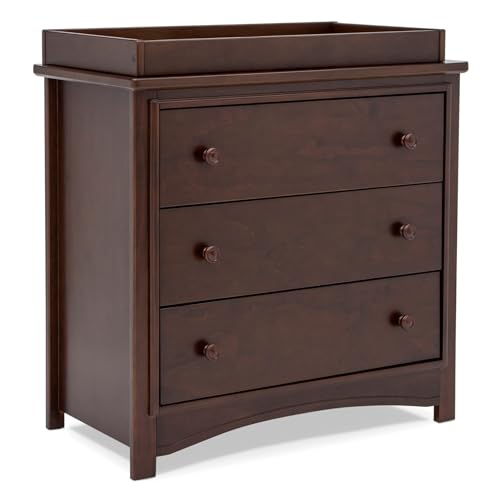
Changing Dresser: The Smart Nursery Storage Solution
A changing dresser pairs a secure diaper-changing station with generous clothing storage, giving you one piece of nursery furniture that works hard through the baby years and beyond. This guide explains how to choose, use, and transition one safely.
Explore Buying AdviceWhy it matters: A nursery is a small, busy space. A convertible changing dresser streamlines the room by combining the changing surface and clothing storage in one footprint. Parents researching this category usually already know they want a combined unit, but still need clarity on safety standards, sizing, topper options, and long-term durability. The sections below answer those questions in detail so you can decide with confidence.
What Is a Changing Dresser?
A changing dresser is a nursery dresser designed or adapted to hold a baby changing station on its top surface. The most common configuration is a standard dresser with a removable changing topper, tray, or contoured pad holder that sits securely on top. This design lets the piece serve two roles at once: tidy clothing and supply storage in the drawers, plus a dedicated, safer spot for diaper changes above.
The category overlaps with several related product types. A changing table dresser combo is essentially the same concept under a different name, while a changing table topper for dressers is the add-on component that converts an ordinary dresser into a changing surface. Some parents prefer a dedicated changing table dresser built from the ground up with a fixed changing top and integrated rails. Others choose a changing table to go on top of a dresser so they can keep an heirloom or existing dresser and add function without replacing furniture.
Why Choose a Changing Dresser Over a Standalone Changing Table
A standalone changing table has one job and becomes redundant once the baby outgrows diapers. A changing dresser keeps earning its place. Once the topper is removed, the furniture continues as a standard bedroom dresser, which makes it a long-term investment rather than a short-lived purchase.
Space Efficiency
One footprint handles both storage and changing, which matters in small nurseries and shared bedrooms.
Extended Lifespan
The dresser transitions to everyday bedroom storage after the diaper years, avoiding a piece that is discarded early.
Supply Proximity
Diapers, wipes, and creams live in the drawers directly beneath the changing surface for quick access.
Design Consistency
A single coordinated piece keeps the nursery visually calm and easier to style as the room evolves.
Types of Changing Dressers
The market splits into three practical approaches, and choosing between them depends on whether you already own a dresser, how long you plan to use the nursery setup, and how much built-in safety structure you want.
1. Integrated Changing Dresser
An integrated model is built as a single unit with a fixed or semi-fixed changing top, often with raised side rails or a recessed well. These are the most structurally secure option because the changing surface is engineered as part of the dresser rather than added afterward. A changing table and dresser in one unit is the clearest example. Look for models where the changing section can eventually be removed or covered so the piece reads as a normal dresser later.
2. Dresser With a Removable Topper
This is the most flexible category. You buy a standard dresser and add a changing pad holder for dresser use, or purchase a dresser that ships with a topper included. The topper is removed when no longer needed, and the dresser lives on. A changing table tray for dresser works on the same principle with a shallower rim. This route suits parents who want a dresser they genuinely like as furniture, not just as a nursery appliance.
3. Converted Standard Dresser
If you already own a sturdy dresser, a changing pad to put on top of dresser lets you convert it without buying new furniture. The catch is that you must verify stability, top-surface dimensions, and anchoring. Not every dresser is a safe candidate, and the safety section below explains the checks in detail.
| Type | Best For | Key Consideration |
|---|---|---|
| Integrated changing dresser | Parents who want maximum built-in safety structure | Confirm the changing section can be removed or covered later |
| Dresser with removable topper | Parents who want a dresser that lasts well past the nursery | Check topper fit, attachment method, and rim height |
| Converted standard dresser | Parents reusing an existing stable dresser | Verify top dimensions, stability, and wall anchoring |
How to Choose a Changing Dresser
Height and Ergonomics
The changing surface should land around waist height for the person who changes most diapers, typically in the range of 36 to 40 inches from the floor. If two caregivers share the duty and differ significantly in height, prioritize the shorter person's comfort, since bending down is harder than reaching slightly. Frequent changes make ergonomics a health issue, not a luxury.
Top Surface Dimensions
The dresser top must be large enough for the changing pad or topper with no overhang. A changing pad needs a flat, fully supported base. Measure the top depth and width and compare against the topper's footprint before committing. An undersized top is one of the most common mistakes in this category.
Drawer Layout and Storage
Nursery storage benefits from a mix of drawer sizes. Shallow top drawers work well for wipes, creams, and small accessories, while deeper lower drawers handle folded clothing, blankets, and spare bedding. A changing table drawers layout that puts frequently used items within arm's reach of the changing surface reduces the temptation to leave the baby unattended while searching for supplies.
Build Quality and Materials
Nursery furniture takes more abuse than adult bedroom furniture, so construction matters. Solid wood and high-grade engineered wood with reinforced joinery hold up better than thin particleboard. Drawer slides should glide smoothly and support a loaded drawer without sagging. In tier terms, entry-level models often use lighter hardware and thinner panels, while mid-range and premium tiers typically add sturdier slides, thicker tops, and more consistent finishes. For a broader comparison of construction approaches, see our dresser buying guides section.
Finish and Safety Certifications
Babies chew and touch everything, so choose finishes that are low-emission and free of concerning chemicals. Look for models that state compliance with recognized furniture safety and emissions standards. A durable, easy-wipe finish also matters because the changing surface area sees frequent cleaning.
Safety Checklist Before Use
- Anchor the dresser to the wall with the included anti-tip kit, every time, no exceptions.
- Use a contoured changing pad with a safety strap and secure it to the dresser or topper.
- Confirm the topper or changing station has a raised rim or barrier on all four sides.
- Keep one hand on the baby at all times and never leave them unattended on the surface.
- Store diapers and wipes within arm's reach so you never step away mid-change.
- Remove the changing topper as soon as the child can roll, sit, or push up.
- Check fasteners, straps, and anchoring hardware monthly for loosening.
Transition and Longevity
Before buying, think about the exit plan. Will the topper detach cleanly? Does the dresser look appropriate in a child's room and later a teen's room? A model that transitions gracefully gives you years of use from a single piece of furniture and is the definition of a worthwhile investment. If you want to compare a changing dresser against other nursery furniture categories, the changing table dressers overview covers the alternatives side by side.
Setting Up Your Changing Station
Once the dresser is in place and anchored, build the changing surface in layers. Start with a non-slip liner on the dresser top, then the topper or pad holder, then the contoured pad, then a fitted cover. Keep a small caddy or basket in the top drawer with diapers, wipes, a spare cover, and cream so the surface itself stays clear. A clear surface is a safer surface.
Position the dresser so the changing area is not directly under a window, near a heater, or against a wall where the baby could push off. Leave enough clearance around the dresser that you can stand comfortably at the changing side without twisting.
Organizing the Drawers Below
The drawers directly beneath the changing surface should hold the supplies you reach for most. Use drawer dividers to keep small items from sliding around, and reserve the deeper lower drawers for bulkier clothing and bedding. If you want a deeper breakdown of drawer planning, our guide to changing table with drawers and shelves layouts explains how to layer storage by frequency of use.
Changing Dresser Safety in Detail
Safety is the single most important consideration in this category, and it is almost entirely about three things: stability, restraint, and supervision.
Stability means the dresser cannot tip. Furniture tip-over incidents are preventable with wall anchoring, and anti-tip straps are non-negotiable for any dresser used as a changing surface. Place heavier items in lower drawers and never let a child climb or hang on the drawers.
Restraint means the changing pad has a strap and the surface has a rim. A flat surface with no barrier gives a rolling baby nothing to resist. A contoured pad inside a holder with raised edges is the safer configuration.
Supervision means you stay with the baby for the entire change. This is the rule that no product feature can replace. Keep supplies within reach so you are never tempted to step away, even briefly.
For parents comparing setup options, our pages on the changing station on top of dresser approach and the changing table toppers for dressers category explain which configurations provide the most built-in restraint.
When and How to Transition Away From the Changing Surface
The changing surface should come off once the baby can roll over, sit up, or push up on their hands, whichever comes first. At that point, the risk of a fall from the elevated surface outweighs the convenience. Remove the topper, clean the dresser top, and either store the topper for a future child or pass it along.
The dresser then becomes ordinary bedroom storage. This is the moment a well-chosen changing dresser proves its value: the drawers you have been using for diapers and wipes simply become clothing and linen drawers. No new furniture is needed, and the nursery does not need to be reorganized around a piece that has lost its purpose.
Frequently Asked Questions
What is a changing dresser?
A changing dresser is a nursery furniture piece that combines clothing storage with a secure changing station on top. Most models use a removable topper, tray, or pad holder so the piece can transition into a standard dresser as the child grows.
Is a changing dresser safe for a baby?
Yes, when used correctly. Safety depends on a stable, wall-anchored base, a contoured changing pad secured to the dresser, a raised rim on all four sides, and constant adult supervision. Never leave a baby unattended on a changing surface.
What height should a changing dresser be?
The changing surface should sit around waist height for the primary caregiver, commonly about 36 to 40 inches from the floor. Matching your standing comfort reduces back strain during frequent changes.
Can I turn a regular dresser into a changing table?
Yes. A standard dresser can be converted with a changing pad holder or topper that attaches securely to the top. The dresser must be stable, anchored to the wall, and have a top surface large enough to hold the topper without overhang.
How long does a changing dresser last?
A well-built convertible changing dresser can serve through the nursery years and beyond. Once the changing topper is removed, the dresser continues as everyday bedroom storage, often lasting through childhood and into the teen years with proper care.
Ready to Compare Changing Dressers?
Browse recommended changing dressers and nursery storage options selected for safe construction and practical drawer layouts.
Explore Options