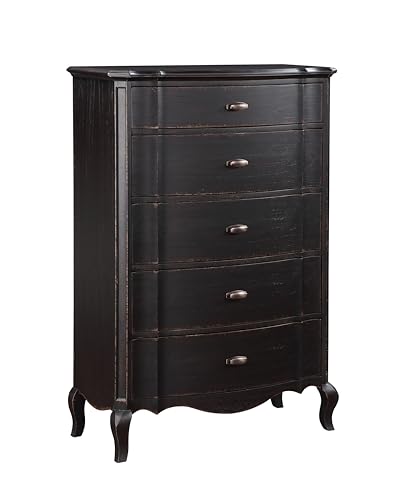
Antique French Chest of Drawers
Explore the elegance, craftsmanship, and timeless appeal of French antique chests of drawers. Your complete guide to styles, materials, and smart buying decisions.
START THE GUIDEWhy French Antique Chests Stand Out: A French antique chest of drawers is more than storage — it is a piece of history. Known for graceful curves, refined carving, and superior joinery, these pieces bring unmatched character to any bedroom. This guide covers everything from identifying authentic craftsmanship to choosing the right style for your space.
What Is an Antique French Chest of Drawers?
An antique French chest of drawers is a storage piece originally crafted in France, typically dating from the 18th through the early 20th century. These chests are celebrated for their elegant silhouettes, hand-carved ornamentation, and premium hardwood construction. Unlike mass-produced modern dressers, each French antique piece reflects the skill of individual craftsmen and the stylistic preferences of its era.
French chests of drawers — often called commodes in French — come in a variety of forms. Some feature gently bowed bombe fronts, others have clean neoclassical lines, and many include ornate brass hardware, marble tops, or marquetry veneers. The best examples combine beauty with practical storage, offering deep drawers and sturdy frames that have survived generations.
If you are exploring broader antique options, our guide to antique dressers provides a useful overview of styles and eras. For those specifically interested in French design, the antique French dresser page covers complementary pieces and styling ideas.
A Brief History of French Antique Chests
French furniture-making reached its peak during the 18th century, when royal workshops and provincial artisans produced pieces of extraordinary refinement. The Louis XV period (1715–1774) introduced the bombe front and exuberant rococo carving, while the Louis XVI period (1774–1792) favored straighter lines and classical motifs. The Directoire and Empire periods that followed brought more austere, architectural forms.
In the provinces, craftsmen developed the French Provincial style — a more rustic interpretation of court furniture, often made from oak or walnut with simpler carving and practical proportions. These provincial chests are among the most sought-after today because they blend elegance with everyday durability.
Many pieces available today are later reproductions or revival pieces from the 19th and early 20th centuries. These can offer excellent craftsmanship and authentic period charm, especially when sourced from reputable dealers. For a broader look at early 20th-century examples, see antique dressers from the early 1900s.
Key Styles of French Antique Chests of Drawers
Understanding the major styles helps you identify what you love and evaluate authenticity. Here are the most common categories:
French Provincial
Rustic yet refined, French Provincial chests are typically made from solid oak or walnut with hand-carved details, scalloped aprons, and simple brass or iron hardware. They often feature a gently curved front and cabriole legs. These pieces are practical, sturdy, and blend beautifully with farmhouse and traditional interiors.
Louis XV (Rococo)
The Louis XV style is defined by asymmetry, flowing curves, and elaborate carving. Bombe fronts — where the drawer face swells outward — are a signature feature. Ormolu mounts, marquetry, and serpentine legs are common. These chests are among the most decorative and collectible French antiques.
Louis XVI (Neoclassical)
Louis XVI pieces favor straight lines, geometric forms, and classical ornament such as fluting, laurel wreaths, and rosettes. Legs are typically tapered and fluted, and drawer fronts are flat rather than bowed. This style suits both traditional and transitional interiors.
Directoire & Empire
These later styles are more architectural and restrained. Directoire chests often feature rectangular forms with simple brass hardware, while Empire pieces are heavier and more monumental, with columns and bold veneers.
For comparison with other regional traditions, the antique English chest of drawers guide highlights the differences between French and English craftsmanship. If you are drawn to the French aesthetic but prefer a modern interpretation, antique-style chest of drawers explores reproduction options.
Materials and Construction Quality
The finest French antique chests are built from solid hardwoods — oak, walnut, cherry, or mahogany — often combined with decorative veneers. Understanding materials helps you assess durability and authenticity.
| Material | Characteristics | Typical Use | Durability Tier |
|---|---|---|---|
| Oak | Hard, dense grain; warm patina over time | French Provincial frames and drawer fronts | High-end tier |
| Walnut | Rich, dark grain; excellent carving properties | Louis XV and Louis XVI pieces | Premium tier |
| Cherry | Fine, straight grain; ages to a warm tone | Provincial and Directoire chests | Mid-range to premium |
| Mahogany | Dense, uniform grain; takes polish well | Empire and later revival pieces | Premium tier |
| Veneers (rosewood, kingwood, tulipwood) | Decorative surface layers over solid carcass | Marquetry and ornate period pieces | Top-tier when intact |
Construction details matter as much as materials. Look for hand-cut dovetail joints on drawer boxes, solid wood runners, and reinforced corner blocks. Authentic French pieces often show slight irregularities in joinery — a sign of hand craftsmanship rather than machine production.
Marble tops are a hallmark of higher-tier French chests. Our guide to the antique marble top dresser explains what to look for and how to care for these surfaces. For wood-specific insights, see antique mahogany dresser and antique pine dresser pages.
How to Identify Authentic French Antique Chests
Not every chest labeled "French antique" is genuinely old. Use these checkpoints to evaluate authenticity:
- Joinery: Hand-cut dovetails are irregular; machine-cut dovetails are uniform and precise.
- Hardware: Original brass or bronze mounts show patina and hand-finishing. Reproduction hardware often looks uniform and overly bright.
- Wood wear: Authentic pieces show natural wear patterns — darker edges, slight shrinkage, and patina consistent with age.
- Veneer condition: Original veneers may have minor lifting or repairs; completely flawless veneer on an allegedly old piece is suspicious.
- Labels and stamps: Some pieces carry maker's marks or export stamps, which can help confirm origin and age.
- Smell and feel: Old wood has a distinct, dry character. Fresh finishes and chemical odors suggest recent refinishing.
If you are shopping online, request detailed photos of drawer joints, hardware backs, and the chest's underside. Reputable dealers will provide them willingly. For more buying strategies, see antique dressers for sale.
Buying Guide: What to Consider Before You Purchase
Buying an antique French chest of drawers is an investment in character and craftsmanship. Before you commit, consider these factors:
Size and Proportions
Measure your space carefully. French chests range from compact antique narrow chest of drawers designs to wide, imposing commodes. Consider ceiling height, doorway clearance, and the scale of surrounding furniture. Tall pieces like an antique tall dresser can anchor a room but may overpower a small bedroom.
Drawer Functionality
Open and close every drawer. They should slide smoothly without excessive wobble. Sticking drawers are common in antique pieces and can often be remedied with wax or minor adjustments, but severe warping or broken runners may require professional repair.
Condition and Restoration
Decide whether you want a piece in original condition or a sympathetically restored example. Original finish and patina are prized by collectors, while restored pieces may be more practical for daily use. Avoid heavily refinished pieces where the historical character has been lost.
Style Fit for Your Interior
French antiques can work in many settings — from traditional bedrooms to modern eclectic spaces. A bombe-front Louis XV chest can be a striking focal point, while a simple French Provincial piece blends easily with farmhouse or transitional decor. For styling inspiration, explore antique French dresser ideas.
Provenance and Documentation
Ask about the piece's history. While not all antiques have documented provenance, a known origin or dealer reputation adds confidence. Auction records and estate sales can provide useful context.
Where to Find Antique French Chests of Drawers
Several channels offer French antique chests, each with distinct advantages:
- Antique dealers and galleries: Curated selection, expert guidance, and usually vetted authenticity.
- Estate sales and auctions: Opportunities to find unique pieces, though condition and authenticity require careful evaluation.
- Online marketplaces: Broad selection but variable quality; verify seller reputation and request detailed photos.
- Specialty furniture shops: Some dealers focus exclusively on French and European antiques, offering restoration services and sourcing assistance.
For a wider range of French-inspired and antique-looking options, browse our antique dressers for sale and antique wooden chests for sale pages. If you prefer a painted finish, antique painted chest of drawers covers the range of decorative styles.
Caring for Your French Antique Chest
Proper care preserves both beauty and value. Follow these guidelines:
- Control humidity: Keep the piece in a stable environment, ideally 40–60% relative humidity. Avoid placing it near radiators, fireplaces, or air conditioning vents.
- Protect from sunlight: Direct sun can fade wood and dry out veneers. Use curtains or blinds in bright rooms.
- Dust gently: Use a soft, dry cloth. For deeper cleaning, a slightly damp cloth followed by immediate drying is acceptable on solid wood; avoid moisture on veneers and marquetry.
- Wax occasionally: A quality furniture wax applied once or twice a year helps protect the finish. Avoid silicone-based products.
- Handle with care: Lift the chest rather than dragging it. Use felt pads under items placed on top to prevent scratches.
- Address damage promptly: Loose veneer, sticking drawers, or wobbly joints should be repaired early to prevent worsening.
For complementary antique storage, consider the antique highboy dresser or antique lowboy dresser with mirror to create a cohesive bedroom set.
Frequently Asked Questions
Ready to Find Your French Antique Chest?
Explore curated recommendations for antique French chests of drawers and complementary storage pieces. Compare features, styles, and tiers to find the right match for your home.
VIEW RECOMMENDATIONS