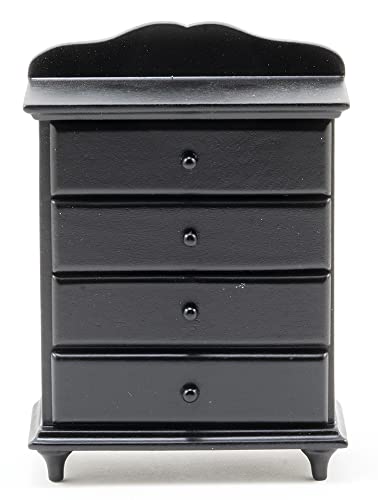
Antique Miniature Chest of Drawers: A Complete Collector's Guide
Explore the charm, craftsmanship, and collecting potential of scaled-down vintage chests. Learn how to identify, evaluate, and select the perfect miniature antique piece for your home or collection.
START EXPLORINGWhy Miniature Chests Matter: An antique miniature chest of drawers is more than a decorative accent — it is a piece of furniture history. These compact treasures reveal the skill of past craftsmen and offer practical storage for jewelry, keepsakes, and small collectibles. Whether you are a seasoned collector or a first-time buyer, understanding their provenance and construction is essential.
What Is an Antique Miniature Chest of Drawers?
An antique miniature chest of drawers is a scaled-down version of a traditional dresser or chest, typically measuring between 10 and 30 inches in height. Unlike modern decorative replicas, genuine antique miniatures were crafted with the same joinery techniques and materials as their full-sized counterparts. Historically, these pieces served several purposes: they were created as apprentice masterpieces to demonstrate a cabinetmaker's skill, used as sales samples by traveling furniture merchants, designed as jewelry or keepsake boxes, or built as dollhouse furniture for affluent families.
Today, these compact chests are prized by collectors and interior design enthusiasts alike. They fit naturally into small spaces, add vintage character to a bedroom or living area, and serve as functional accent storage. If you are exploring the broader world of vintage storage furniture, our guide to antique dressers provides valuable context on styles and eras. For those specifically interested in compact vintage options, the miniature chest represents a distinct and rewarding category.
Key Characteristics That Define a Quality Miniature Chest
Not all miniature chests are created equal. Understanding the defining characteristics helps you distinguish a genuine antique from a modern reproduction and assess the tier of craftsmanship. The following table outlines the most important features to examine.
| Feature | What to Look For | Why It Matters |
|---|---|---|
| Joinery | Hand-cut dovetails, mortise-and-tenon joints, square-cut nails | Indicates pre-industrial craftsmanship and authentic age |
| Wood Species | Mahogany, walnut, oak, pine, cherry with visible grain and patina | Premium hardwoods signal a higher tier of original construction |
| Hardware | Hand-forged brass pulls, wooden knobs, period-appropriate escutcheons | Original hardware adds authenticity and collector appeal |
| Drawer Action | Wood-on-wood runners, smooth operation, even gaps | Reveals the quality of construction and level of wear |
| Finish & Patina | Natural aging, oxidation, wear on edges and handles | Authentic patina cannot be replicated and enhances character |
| Proportions | Balanced scale, proportionate drawer sizes, stable base | Indicates thoughtful design and professional craftsmanship |
Popular Styles and Eras of Antique Miniature Chests
Miniature chests were produced across many furniture eras, each with distinctive design language. Understanding these styles helps you identify what you are looking at and determine which era aligns with your aesthetic preferences.
Victorian and Edwardian Miniatures
During the 19th and early 20th centuries, miniature chests were often crafted as apprentice pieces or sales samples. Victorian examples frequently feature ornate carvings, turned legs, and rich mahogany or walnut veneers. Edwardian pieces tend to be slightly lighter in proportion with more restrained ornamentation. If you are drawn to this era, our collection of antique dressers from the early 1900s offers a broader view of the period's furniture design.
French Provincial and Country Styles
French provincial miniature chests are characterized by curved cabriole legs, scalloped aprons, and a graceful, romantic silhouette. These pieces were often made from fruitwoods or oak and finished with a warm, natural patina. For a deeper exploration of this elegant style, see our guide to antique French chest of drawers. Country-style miniatures from England and America tend to be simpler, with straight lines and utilitarian hardware.
Japanese and Asian Miniatures
Japanese miniature chests, often called tansu, were designed for compact storage in traditional homes. They typically feature sliding doors, small drawers, and iron hardware with distinctive back plates. These pieces are celebrated for their precision joinery and minimalist aesthetic. Learn more in our guide to antique Japanese chest of drawers.
Painted and Folk Art Miniatures
Some of the most charming miniature chests are those with original painted finishes or folk art decoration. These pieces were often made by rural craftsmen or as personal projects, resulting in one-of-a-kind character. Explore the variety of antique painted chest of drawers to see how color and decoration transform these compact pieces.
Materials and Craftsmanship: What Separates Tiers
The material quality and construction techniques used in an antique miniature chest directly determine its position in the market and its longevity. Understanding these tiers helps you make an informed decision based on your collecting goals.
Entry-Level Tier
Entry-level antique miniatures are typically made from pine, poplar, or mixed secondary woods. They may feature simpler joinery, such as nailed or glued construction, and often have replacement hardware. These pieces are ideal for first-time collectors or for use as decorative accents rather than serious investments. They offer good value for their tier and can still provide authentic vintage character.
Mid-Range Tier
Mid-range examples are constructed from solid oak, cherry, or walnut with hand-cut dovetails and original brass or wooden hardware. They show moderate wear consistent with age and may retain their original finish. These pieces represent a balanced tier — well-specified for the category and suitable for both daily use and display.
Premium and Luxury Tiers
The premium and luxury tiers encompass museum-quality miniatures made from fine mahogany, satinwood, or exotic veneers. These pieces exhibit exceptional craftsmanship: flawless hand-cut joinery, intricate inlay or marquetry, and original period hardware in excellent condition. They are often documented apprentice pieces or rare sales samples with provenance. Such examples are considered a long-term investment and are typically acquired through specialist dealers or auctions. For those interested in full-sized premium pieces, our guide to antique mahogany dresser offers useful comparisons in material and construction.
How to Evaluate and Authenticate a Miniature Antique Chest
Before acquiring any antique miniature chest of drawers, a careful evaluation protects you from reproductions and helps you understand the true character of the piece. Follow these practical steps.
- Inspect the joinery: Look inside the drawers and underneath the case. Hand-cut dovetails with irregular spacing indicate pre-industrial construction. Machine-cut dovetails suggest later production. Square-cut nails are a strong indicator of 19th-century or earlier origin.
- Examine the wood and patina: Authentic antiques develop a deep, uneven patina over time. Look for wear patterns on drawer fronts, edges, and feet. Fresh, uniform finishes or perfectly matched veneers may indicate restoration or reproduction.
- Check the hardware: Original hardware should show consistent aging with the wood. Replacement pulls are common, but significant mismatches may affect value. Hand-forged brass and wooden knobs are period-appropriate for most antique miniatures.
- Look for maker's marks: Some apprentice pieces and sales samples bear stamps, signatures, or paper labels. These can significantly enhance provenance and collector interest.
- Assess structural integrity: Gently open and close each drawer. Smooth operation and even gaps are good signs. Check for warping, loose joints, or veneer lifting that may require professional restoration.
- Consult an expert: For high-tier pieces, a professional appraiser or antique furniture specialist can confirm age, origin, and authenticity. This step is especially important for significant investments.
Practical Uses and Placement Ideas
An antique miniature chest of drawers is remarkably versatile. Its compact footprint allows it to serve in rooms where a full-sized dresser would overwhelm the space. Here are some of the most effective ways to incorporate one into your home.
Bedroom Accent and Jewelry Storage
Place a miniature chest on a full-sized dresser or a dedicated accent table to store jewelry, watches, cufflinks, and other small valuables. The multiple small drawers provide excellent organization for delicate items. For more ideas on organizing with vintage furniture, see our bedroom storage resources.
Entryway Catch-All
Position a miniature chest near your entryway to hold keys, mail, sunglasses, and small everyday essentials. Its vintage character adds warmth and personality to an often-overlooked space.
Living Room or Home Office Display
Use the piece as a display surface for small collectibles, framed photographs, or decorative objects. The drawers can conceal office supplies, charging cables, or stationery. For broader room inspiration, explore our room ideas section.
Collector's Showcase
For dedicated collectors, a miniature chest can itself be the centerpiece of a display, surrounded by other small antiques, vintage textiles, or period-appropriate decor. It can also serve as a compact display case for a collection of small items such as coins, stamps, or buttons.
Care and Maintenance for Longevity
Proper care preserves both the beauty and the value of your antique miniature chest. Unlike modern furniture, antiques require a gentle, informed approach.
- Control the environment: Keep the piece away from direct sunlight, heating vents, and damp basements. Stable indoor humidity between 40% and 60% helps prevent wood warping and veneer lifting.
- Dust regularly: Use a soft, dry microfiber cloth to remove dust from surfaces and inside drawers. Avoid feather dusters, which can scratch delicate finishes.
- Use appropriate products: Apply a pH-neutral furniture wax occasionally to protect the finish. Avoid silicone-based polishes, harsh chemicals, and excessive moisture.
- Handle with care: Open and close drawers gently. Avoid overloading small drawers, which can strain joints and runners.
- Address repairs professionally: If you notice loose joints, veneer lifting, or hardware damage, consult a professional furniture restorer. DIY repairs can diminish value if done incorrectly.
Buying Checklist: What to Confirm Before You Acquire
When you are ready to acquire an antique miniature chest of drawers, use this checklist to ensure you are making a well-informed decision. Whether you are browsing antique dressers for sale or visiting a specialist dealer, these steps will help you evaluate each piece confidently.
- Confirm the age and origin through joinery, hardware, and patina analysis.
- Verify that the wood species matches the claimed era and style.
- Check that all drawers operate smoothly and that no structural repairs are needed.
- Inspect for active woodworm, rot, or significant veneer loss.
- Ask about provenance, restoration history, and any maker's marks.
- Ensure the piece is proportionate and stable — it should not wobble or tip.
- Consider the tier of the piece relative to your collecting goals and intended use.
- Request additional photographs of joinery, hardware, and any damaged areas if buying remotely.
Frequently Asked Questions
What is an antique miniature chest of drawers?
An antique miniature chest of drawers is a scaled-down vintage wooden furniture piece, typically smaller than a standard nightstand. These compact chests were historically crafted as apprentice pieces, sales samples, jewelry storage, or dollhouse furniture, and are valued today as decorative collectibles and functional accent storage.
How can I tell if a miniature chest of drawers is truly antique?
Examine the drawer joinery: hand-cut dovetails, irregular saw marks, and square-cut nails suggest pre-1900 construction. Check for patina on wood and hardware, wear patterns on drawer runners, and look underneath for age-related dust and oxidation. Consulting a professional appraiser provides the most reliable authentication.
What woods are antique miniature chests typically made from?
Common woods include mahogany, walnut, oak, pine, and cherry. Mahogany and walnut were favored for premium pieces due to their fine grain and durability, while pine and oak were used for more utilitarian examples. The wood species significantly influences both the character and the tier of the piece.
How should I care for an antique miniature chest of drawers?
Keep the piece away from direct sunlight, radiators, and damp areas. Dust with a soft cloth and use a pH-neutral wax occasionally to protect the finish. Avoid harsh chemical polishes and silicone-based products. Store in a stable humidity environment to prevent wood warping and veneer lifting.
Ready to Find Your Antique Miniature Chest?
An antique miniature chest of drawers is a rewarding acquisition that combines historical charm with practical function. Whether you are drawn to a French provincial piece with cabriole legs, a Japanese tansu with iron hardware, or a simple country chest with original painted finish, careful evaluation and a clear understanding of craftsmanship tiers will guide you to the right choice. Explore our recommended selections below to begin your search with confidence.