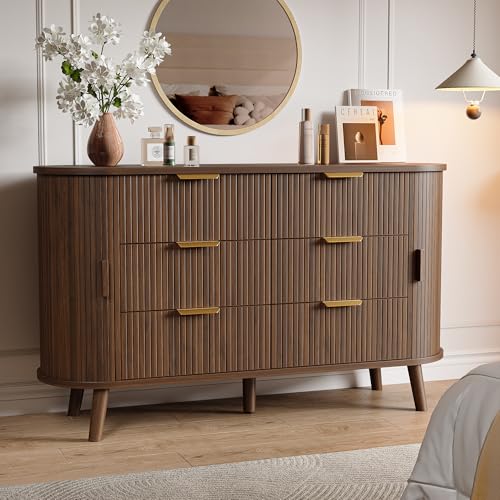
What Makes a Dresser "Vintage"?
The word vintage is used loosely in furniture listings, and that ambiguity can work against a buyer. In the collector and design world, vintage generally describes a piece that is at least 20 years old and represents the design language of a specific era — not simply a new dresser finished with a distressed look. That distinction matters because a genuine vintage style dresser carries construction techniques, wood species, and hardware that newer reproductions rarely match.
A true vintage piece usually shows three things: authentic era-specific design cues, age-appropriate joinery and hardware, and a patina that only time can create. Reproduction "vintage style" dressers can be perfectly good furniture, but they should be evaluated on different criteria. If you are weighing the two categories, the honest approach is to decide first whether you want an heirloom with history or a modern piece that simply looks the part.
Buyers researching this category typically already know they want the vintage look. What they need before committing is clarity on eras, materials, and the checks that separate a solid heirloom from a costly restoration project. The sections below are organized in that exact order.
Vintage Eras and Their Signature Dresser Styles
Each era produced dressers with recognizable proportions, ornamentation, and construction habits. Knowing these cues helps you identify what you are looking at and decide whether the style suits your room.
Victorian and Edwardian (roughly 1830s–1910s)
Victorian dressers favor substantial proportions, carved details, and dark woods. You will commonly see burled veneers, turned columns, marble tops, and elaborate mirrors. Edwardian pieces are somewhat lighter in feel but retain the formal, symmetrical layout. These are the pieces most likely to be genuine antiques, and they reward careful structural inspection — veneer lifting and loose joints are common at this age.
Art Deco (roughly 1920s–1940s)
Art Deco dressers are geometric and streamlined: stepped fronts, bold veneer patterns, waterfall edges, and dramatic hardware. The waterfall dresser silhouette — a continuous curved top that flows down the front — is a signature Deco form. These pieces often mix woods and inlays, and they photograph beautifully but demand attention to veneer condition.
Mid-Century Modern (roughly 1945–1970s)
Clean lines, tapered legs, understated hardware, and a preference for walnut and teak define mid-century dressers. They are the most popular entry point into vintage furniture because the proportions suit modern rooms. The vintage mid-century tallboy dresser is a favorite for smaller bedrooms, while the walnut mid-century dresser remains the defining example of the era's material palette.
Farmhouse and Cottage Styles
Painted finishes, simple plank construction, and practical proportions define farmhouse and cottage vintage dressers. Many were repainted over the decades, so original finish is rare — and that is perfectly acceptable if the painted finish is sound. A vintage farmhouse chest of drawers is a strong choice for relaxed, layered rooms.
Woods, Finishes, and Hardware
Material choices tell you how a dresser will age and how much care it will need. The table below maps the most common vintage woods to their behavior and typical condition in the secondhand market.
| Wood / Material |
Character |
Care Notes |
Typical Tier |
| Walnut |
Rich, dark grain; the defining mid-century material |
Wax or oil finishes; avoid harsh cleaners |
Mid-range to premium |
| Oak |
Dense, visible grain; sturdy and long-lived |
Tolerates everyday use; re-oil periodically |
Mid-range |
| Pine |
Soft, light grain; common in farmhouse pieces |
Dents easily; needs protective finish |
Entry-level to mid-range |
| Mahogany |
Deep reddish tone; formal antique look |
Polished finish; keep away from direct sun |
Premium to luxury |
| Veneer over solid core |
Patterned surfaces; common in Deco and Victorian |
Check for lifting; avoid moisture |
Varies widely by condition |
Hardware is one of the strongest authenticity signals. Original brass pulls with a consistent patina, bakelite knobs on mid-century pieces, and hand-cut keyhole escutcheons all point to genuine age. Mismatched hardware is not automatically disqualifying — replacement is common after decades of use — but it does affect how original the piece is. If you are specifically drawn to lighter painted finishes, the vintage white dresser guide covers what to look for in refinished pieces, and the vintage white and gold dresser overview covers the more decorative end of that spectrum.
For darker, grain-forward pieces, the vintage wood dresser overview and the vintage dark wood chest of drawers guide are useful references. Oak and pine buyers should also read the vintage oak dresser and vintage pine dresser pages before shopping.
Quality and Construction Checks Before You Commit
Vintage furniture is sold in every condition from showroom-ready to structural project. The checklist below is the fastest way to separate the two. Inspect in this order.
- Drawer operation. Open and close every drawer fully. They should glide without racking or binding. Wood-on-wood runners are normal on older pieces and can be waxed, but cracked runners or split drawer sides are repair work.
- Joinery. Look for dovetail joints at drawer corners. Hand-cut dovetails suggest older, higher-quality construction; machine dovetails are common on mid-century and later pieces. Staples and particle board indicate a reproduction or a very late piece.
- Veneer and finish. Run a hand across surfaces to feel for lifting, bubbling, or peeling veneer. Small chips are cosmetic; large lifting sections require professional attention.
- Structure and stability. Push gently on the top corners. A vintage dresser should not wobble. Check the back panel and legs for splits, repairs, or water damage.
- Smell. A musty or chemical odor can indicate water damage or prior pest treatment. Mildew smell is a warning sign.
- Hardware integrity. Original hardware in good condition is a plus. Bent or stripped pulls can usually be replaced, but check that mounting holes are not enlarged.
- Mirrors and attachments. If the dresser includes a mirror, check that the frame is secure and the glass is not desilvering at the edges.
Tier context: Entry-level vintage pieces are usually pine or painted farmhouse styles with visible wear. Mid-range covers solid oak and well-kept mid-century walnut. Premium pieces are original-finish walnut, mahogany, or documented antiques with intact veneer and hardware. Luxury-tier antiques come with provenance and professional restoration. Judge condition against tier rather than the other way around.
If you are specifically shopping the secondhand market, the vintage chest of drawers second-hand guide adds negotiation and inspection tips. Buyers who prefer restored pieces ready for immediate use should review the vintage chest of drawers for sale overview.
Sizing and Placement
Vintage dressers were built for the rooms of their era, which were often smaller and differently proportioned than modern bedrooms. Measure your space before you fall in love with a silhouette.
- Height: Traditional dressers sit around 30–36 inches at the top; tall chests range from roughly 45 to 60 inches. Confirm the top surface is comfortable for your daily use.
- Width: Leave at least 24 inches of clear walking space in front of drawers so they can open fully.
- Depth: Older dressers are often shallower than modern ones, which is an advantage in narrow rooms.
- Doorways and stairs: Measure the narrowest path into the room. Vintage pieces are frequently heavier and less modular than flat-pack furniture.
For compact rooms, the vertical dresser and upright dresser formats use floor space efficiently. If you want a complete matching look, the vintage dresser and nightstand set is worth considering. Buyers who need deep storage should review the vertical dresser with deep drawers layout.
The Vintage Dresser Buying Checklist
Use this condensed checklist at the point of purchase. It mirrors the inspection order above so you can move through it quickly in a showroom or a seller's home.
- Confirm the era and identify the design cues that support it.
- Open every drawer; note glide quality and any binding.
- Check dovetail joinery and drawer-side integrity.
- Feel every veneered surface for lifting or bubbling.
- Test structural stability at the top corners.
- Inspect hardware originality and mounting condition.
- Check for odor, water staining, or signs of past pest activity.
- Measure the piece and the path into your room.
- Decide whether the condition matches the tier you are shopping.
Buyers comparing several vintage formats at once will find the vintage chest of drawers and vintage drawers overviews helpful for narrowing the field before inspection.
Styling Your Vintage Dresser
A vintage dresser is a focal point, so styling should support the piece rather than compete with it. Three principles keep the look cohesive:
- Let the wood breathe. If the dresser has a strong grain or a rich patina, keep the top surface sparse — a single lamp, a small tray, and one object with texture.
- Mix eras deliberately. Pair a mid-century dresser with a contemporary rug and lighting to keep the room from feeling like a period set.
- Use the mirror as architecture. A vintage mirror above a dresser adds height and light. The vanity dresser with mirror guide covers proportions and placement.
If the finish needs refreshing, the guide to using chalk paint on furniture explains how to update a piece without destroying its vintage character. For rooms where the dresser must work harder, the vintage apothecary cabinet format offers many small drawers for organized storage. And if your layout calls for a wall-mounted solution, the wall-mounted dresser overview explains the trade-offs.
Frequently Asked Questions
How do I tell a genuine vintage dresser from a reproduction?
Look at joinery, hardware, and the back panel. Genuine vintage pieces usually use dovetail joints, solid wood secondary woods, and hardware with consistent patina. Reproductions often use stapled joints, particle board, and uniform factory finishes. The
vintage chest of drawers guide includes a side-by-side comparison.
Which vintage era is best for a modern bedroom?
Mid-century modern is the easiest fit because its clean lines and tapered legs suit contemporary rooms. Art Deco works well as a statement piece. Victorian pieces suit larger rooms with traditional architecture.
Is refinishing a vintage dresser a bad idea?
It depends on the piece. Refinishing a mass-produced mid-century dresser in poor condition is usually fine. Refinishing a documented antique or a piece with intact original finish can reduce its historical value. When in doubt, preserve the original finish.
What should I check before buying a vintage dresser online?
Request close-up photos of drawer joints, the back panel, hardware, and any damaged areas. Ask for the exact dimensions and the era. Confirm the seller's return policy before committing, since shipping vintage furniture is difficult to reverse.
How do I care for a vintage wood dresser?
Dust with a soft cloth, avoid silicone polishes, and keep the piece out of direct sunlight. Wax or oil finishes should be refreshed periodically according to the original finish type. The
vintage wood dresser guide covers care by wood species.