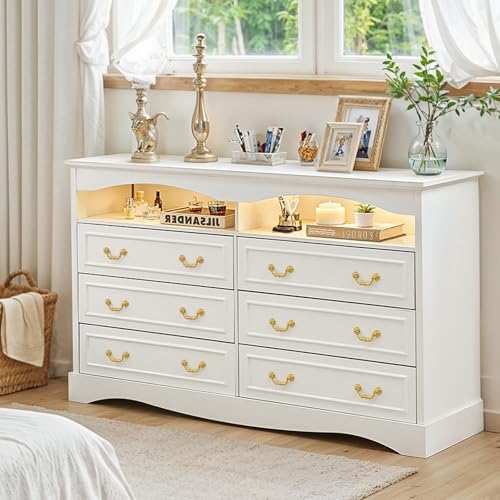
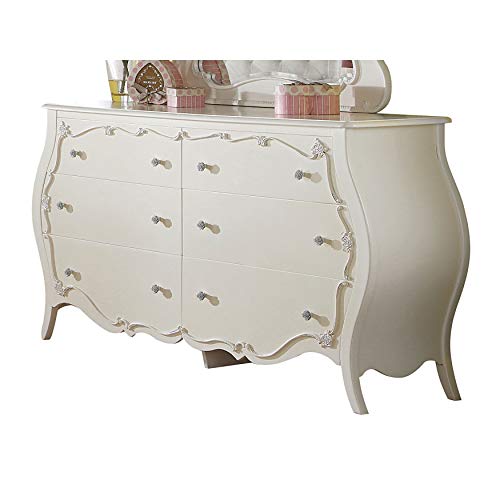
Victorian Dresser: A Complete Guide to Timeless Elegance
Explore the ornate beauty of Victorian dressers — from carved mahogany masterpieces to marble-topped chests of drawers. Learn how to identify, choose, and style these enduring furniture pieces for your bedroom.
Why the Victorian Dresser Endures
The Victorian dresser is more than a storage piece; it is a statement of history, craftsmanship, and enduring style. Originating during the reign of Queen Victoria (1837–1901), these dressers and chests of drawers were designed to reflect prosperity and refined taste. Today, a Victorian dresser remains one of the most sought-after antique furniture categories for homeowners who want to add character, warmth, and a sense of heritage to their bedrooms.
Whether you are drawn to the intricate carvings, the warm patina of aged wood, or the classic hardware, a Victorian dresser offers a unique blend of function and artistry. In this guide, we will walk you through the defining characteristics, the different sub-styles, materials, and practical considerations so you can confidently choose the right piece for your space.
What Defines a Victorian Dresser?
Victorian furniture is known for its eclecticism, borrowing from Gothic, Rococo, and Renaissance traditions. A Victorian dresser typically exhibits several distinctive features that set it apart from other antique and modern pieces:
- Ornate carvings and detailing: Look for floral motifs, scrollwork, and turned legs or pilasters. These hand-carved elements are hallmarks of the era.
- Rich, dark woods: Mahogany, walnut, and rosewood were favored for their depth and durability. Many pieces feature a warm, reddish-brown patina that develops over time.
- Marble tops: Many Victorian dressers and chests feature a marble top, often white or gray with subtle veining, which adds a touch of luxury and protects the wood surface.
- Elaborate hardware: Brass or bronze drawer pulls, often with intricate designs, are common. Some pieces feature wooden knobs with decorative inlays.
- Substantial proportions: Victorian dressers tend to be taller and more imposing than modern counterparts, often with a mirror attached or a raised back panel.
Understanding these characteristics will help you identify an authentic piece and appreciate the craftsmanship that goes into each dresser. For those interested in the broader category, exploring vintage dresser and nightstand sets can offer complementary pieces that complete the look.
Victorian Dresser Sub-Styles
The Victorian era spanned over six decades, and furniture styles evolved significantly during that time. Here are the most common sub-styles you will encounter:
Early Victorian (1837–1860)
Heavy, substantial pieces with bold carvings inspired by Gothic and Elizabethan designs. Mahogany and rosewood are common.
Mid-Victorian (1860–1880)
Characterized by the Rococo Revival, featuring curved lines, floral motifs, and elaborate ornamentation. Walnut became popular.
Late Victorian (1880–1901)
Influenced by the Aesthetic Movement and Arts & Crafts, with cleaner lines and simpler, more functional designs.
Eastlake Style
A subset of Victorian design featuring geometric carvings, spindles, and a more architectural aesthetic, named after Charles Eastlake.
Each sub-style has its own charm and can suit different interior design themes. If you are exploring other period styles, you might also find inspiration in vintage mid-century modern dressers or vintage farmhouse chests of drawers for a contrasting look.
Materials and Construction Quality
Victorian dressers were built to last. The best examples use solid wood, often with dovetail joints and hand-cut veneers. Here is what to look for when assessing quality:
Wood Types
- Mahogany: The most prized wood of the era, known for its rich color and fine grain. It takes carving beautifully.
- Walnut: Slightly lighter than mahogany with a distinctive grain pattern. Common in mid-to-late Victorian pieces.
- Rosewood: Dark, dense, and highly decorative, often used for premium pieces.
- Oak: More utilitarian, often used for provincial pieces or later Victorian furniture.
If you are considering a piece that needs restoration, you may want to explore unfinished wood dressers as a starting point or learn about using chalk paint on furniture to refresh a worn finish.
Market Tier Overview
Victorian dressers and chests of drawers can be classified into quality and market tiers. This helps you understand what to expect from a piece without referencing any monetary figures:
| Tier | Best For | Typical Characteristics |
|---|---|---|
| Entry-Level (Starter Tier) | First-time antique buyers | Simpler designs, possible later reproductions, basic veneers, solid construction for everyday use. |
| Mid-Range (Balanced Tier) | Collectors seeking authenticity | Genuine antique pieces with original hardware, solid wood construction, moderate carving. |
| Premium (High-End Tier) | Serious collectors and design enthusiasts | Fine mahogany or rosewood, elaborate hand carvings, marble tops, original brass hardware, excellent provenance. |
| Luxury (Top-Tier / Flagship) | Museum-quality or grand estates | Exceptional craftsmanship, rare woods, intricate inlays, documented history, near-mint condition. |
Understanding these tiers helps you set realistic expectations. A mid-range piece, for instance, often offers the best balance of authenticity and usability for daily life. For those who appreciate antique craftsmanship across styles, exploring antique chests can broaden your options.
How to Evaluate a Victorian Dresser Before Buying
When shopping for a Victorian dresser, whether online or in person, careful inspection is key. Here is a checklist to help you make an informed decision:
- Check the joinery: Dovetail joints are a sign of quality. Look for hand-cut dovetails, which are irregular and indicate older, handcrafted work.
- Inspect the veneer: Lifting or bubbling veneer can be a sign of water damage or poor storage. Minor repairs are acceptable, but extensive damage may require professional restoration.
- Test the drawers: Drawers should slide smoothly. Wooden runners can be waxed, but warped drawers may be difficult to repair.
- Look for original hardware: Original brass pulls add authenticity. Missing or replaced hardware can affect the piece's character.
- Examine the marble top (if present): Check for cracks or chips. Marble can be repaired, but this is a consideration.
- Assess the finish: A worn finish may be part of the patina, but heavy scratches or water rings may need attention.
- Verify provenance if possible: Labels, stamps, or maker's marks can increase the historical value.
For those who prefer a blank canvas, unfinished solid wood chests of drawers offer an opportunity to create a custom finish that mimics or complements Victorian style.
Styling a Victorian Dresser in a Modern Home
Victorian dressers can feel heavy or overly formal if not styled thoughtfully. Here are some tips to integrate one into a contemporary bedroom or living space:
- Balance with light elements: Pair a dark wood dresser with light-colored walls, sheer curtains, and a neutral rug to prevent the room from feeling enclosed.
- Mix eras: Combine a Victorian dresser with modern or minimalist accessories, such as a sleek lamp or a simple vase, to create an eclectic look.
- Use as a focal point: Place the dresser on a prominent wall and hang a large mirror or artwork above it to draw the eye.
- Add a vanity setup: A vanity dresser with mirror can transform a Victorian piece into a functional and elegant grooming station.
- Keep it functional: Use the drawers for everyday storage, and top the dresser with a tray for jewelry or accessories. For organization ideas, see our dresser organization guide.
If you are looking to add complementary storage, consider a Victorian dresser alongside a walnut dresser and nightstand set or a white bedroom dresser with mirror for a cohesive bedroom theme.
Caring for Your Victorian Dresser
Proper care will ensure your Victorian dresser remains beautiful for generations. Here are some practical maintenance tips:
- Dust regularly: Use a soft, dry cloth to remove dust. Avoid harsh chemical cleaners that can damage the finish.
- Control humidity: Wood expands and contracts with humidity changes. Keep the room at a stable humidity level to prevent cracking.
- Avoid direct sunlight: Prolonged exposure can fade the wood and dry out the veneer.
- Use coasters and felt pads: Protect the top surface from scratches and water rings.
- Wax occasionally: A high-quality furniture wax can restore shine and protect the wood. Test on a hidden area first.
For those who enjoy DIY projects, our guide on refinishing a dresser can help you restore a worn piece to its former glory.
Frequently Asked Questions About Victorian Dressers
What is the difference between a Victorian dresser and a chest of drawers?
The terms are often used interchangeably, but traditionally a dresser is a lower, wider piece with a mirror, while a chest of drawers is taller and narrower without a mirror. Victorian furniture includes both forms, each with distinct characteristics. For a deeper comparison, read our guide on dresser vs chest of drawers.
How can I tell if a Victorian dresser is authentic?
Look for hand-cut dovetail joints, original hardware, and evidence of hand carving. Labels or maker's marks can also indicate authenticity. Consult an antique furniture expert if you are unsure.
Can I use a Victorian dresser in a modern bedroom?
Absolutely. Victorian dressers add character and warmth to any space. Balance the ornate details with modern, minimalist decor to create a harmonious look.
What woods were used in Victorian dressers?
Mahogany, walnut, and rosewood were the most common, with oak used for more utilitarian pieces. Some later pieces used veneers over solid wood cores.
How do I move a heavy Victorian dresser?
Remove drawers and the mirror (if detachable) to reduce weight. Use furniture sliders or a dolly, and lift with your legs, not your back. Consider hiring professional movers for very large pieces.
Ready to bring a piece of history into your home? Explore our curated selection of Victorian-inspired and antique dressers to find your perfect match.
View Recommended Dressers