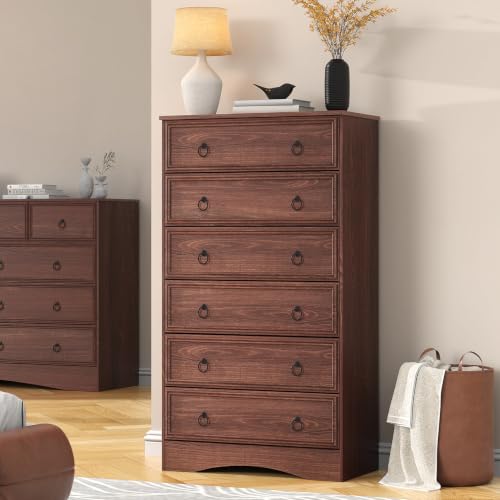
A vintage dark wood chest of drawers is more than storage — it is a piece with history, patina, and construction quality that many modern flat-pack alternatives cannot match. Whether you are furnishing a period home, adding warmth to a modern bedroom, or hunting for a statement piece, understanding the wood, construction, and style of vintage dark wood chests will help you buy wisely.
This guide walks you through the wood types, construction markers, style categories, and inspection steps that matter most. By the end, you will know exactly what to look for and how to avoid common pitfalls when shopping for a vintage dark wood chest of drawers.
Why Choose a Vintage Dark Wood Chest of Drawers?
Dark wood chests from earlier eras were often built with joinery techniques — dovetails, mortise-and-tenon frames, and solid wood drawer sides — that outlast many contemporary constructions. The visual depth of mahogany, walnut, or stained oak also adds a grounded, sophisticated presence to a room that lighter finishes rarely replicate.
Beyond aesthetics, vintage pieces are inherently unique. Grain patterns, hand-cut details, and period hardware give each chest a character that mass-produced furniture cannot offer. For buyers who value sustainability, choosing a pre-owned or antique chest also keeps quality furniture in circulation rather than in landfill.
If you are exploring broader options, our collection of vintage chest of drawers guides covers styles, eras, and buying considerations in more detail.
Common Wood Types in Vintage Dark Wood Chests
The wood species largely determines the chest's tone, weight, durability, and how it ages. Here are the most common dark woods you will encounter:
| Wood Type | Characteristics | Typical Market Tier |
|---|---|---|
| Mahogany | Deep reddish-brown tone, fine grain, excellent workability, dense and durable | Premium to luxury |
| Walnut | Rich chocolate-brown, striking grain, stable and heavy, strong historical use | Premium to mid-range |
| Oak (dark-stained) | Hard, resilient, prominent grain, often stained to achieve a darker look | Mid-range to entry-level |
| Pine (dark-stained) | Lighter weight, softer wood, takes stain well, can dent over time | Entry-level |
For a deeper look at walnut options, see our walnut chest of drawers vintage guide. If you are weighing different vintage wood finishes, the vintage wood dresser overview is a useful companion.
Key Styles of Vintage Dark Wood Chests
Style influences both the visual fit in your room and the construction methods used. Common categories include:
Victorian and Edwardian
Heavy proportions, ornate carving, and often mahogany or walnut construction. These pieces suit traditional and period interiors. Explore our Victorian dresser guide for detail on period features.
Mid-Century Modern
Cleaner lines, tapered legs, and functional drawer layouts. Walnut is especially common here. Our vintage mid-century modern dresser article covers what to inspect on these pieces.
Farmhouse and Rustic
Often pine or oak with visible grain and practical hardware. See our vintage farmhouse chest of drawers guide for style context.
Tallboy and Highboy Forms
Vertical configurations that save floor space and add height. Our vintage mid-century tallboy dresser article explores this format.
How to Inspect a Vintage Dark Wood Chest Before Buying
Inspection separates a worthwhile piece from a project you may regret. Use this checklist:
- Drawer action: Open and close every drawer. They should glide without excessive force. Sticking can indicate swollen wood, worn runners, or misaligned frames.
- Joints and frame: Check corners and drawer boxes for separation. Dovetail joints are a positive sign of quality; nailed or stapled construction suggests lower-tier builds.
- Hardware: Original handles and escutcheons add character. Confirm screws hold firmly and that replacements have not damaged the wood.
- Wood condition: Look for active woodworm (fresh dust), water rings, deep cracks, and veneer lifting. Minor patina is acceptable; structural damage is not.
- Stability: Push gently on corners. A chest that wobbles may have loose joints or an uneven base.
- Odor and interior: Smell inside drawers for mold or mustiness. Check that drawer bottoms are intact and not sagging.
Solid Wood vs. Veneer: What to Expect
Many vintage chests use veneer over a solid substrate — this is not inherently lower quality and was often used to showcase prized grain patterns on mahogany and walnut pieces. The key is condition: lifting veneer, bubbling, or large chips can be repaired, but extensive failure is a warning sign. Solid wood construction is generally easier to refinish and repair over the long term.
If you are considering a restoration project, our guides on vintage drawers and using chalk paint on furniture may help you plan the work.
Space Planning and Drawer Configuration
Vintage chests vary widely in width, depth, and drawer count. Before buying, measure your floor space, the path to the room, and ceiling height if you are considering a tallboy. Consider whether you need deep drawers for bulky items or shallow drawers for folded clothing and accessories.
Our vertical dresser with deep drawers guide discusses how drawer depth affects usability. If space is tight, a vintage chest of drawers second hand may offer the same character in a smaller footprint.
Pairing with Nightstands and Complementary Pieces
A dark wood chest can anchor a bedroom when paired thoughtfully. Matching wood tones are not mandatory — echoing a secondary tone or hardware finish often looks more intentional. Explore vintage dresser and nightstand set options if you prefer a coordinated look.
For a broader style reference, our vintage style dresser collection covers design variations across eras and finishes.
Styling a Vintage Dark Wood Chest of Drawers
Dark wood carries visual weight. To keep a room balanced:
- Use lighter bedding, curtains, or rugs to contrast the chest's tone.
- Place a mirror above the chest to reflect light and add depth.
- Keep surface styling minimal — a lamp, a small tray, and one decorative object is often enough.
- Mix textures: linen, ceramic, and brushed metal soften the wood's formality.
- Warm lighting (2700K–3000K) enhances the grain without making the wood look flat.
If you want more styling ideas, our vintage oak dresser and vintage pine dresser guides show how different woods respond to decor choices.
Where a Vintage Dark Wood Chest Fits Best
Beyond the bedroom, these chests work well in guest rooms, hallways, dining rooms as a sideboard alternative, and even bathrooms with adequate ventilation. Our vintage apothecary cabinet for sale guide explores the overlap between storage chests and cabinet forms.
If you are furnishing a walk-in closet, a walk-in closet chest of drawers can centralize folded storage. For unfinished options that you can stain dark yourself, see our unfinished solid wood chest of drawers guide.
Frequently Asked Questions
What wood types are used for vintage dark wood chest of drawers?
Common woods include mahogany, walnut, oak, and pine. Mahogany and walnut are typical for premium pieces, while oak and pine appear in mid-range and entry-level examples.
How can I tell if a vintage dark wood chest is solid wood or veneer?
Check the grain continuity on the top and sides, look at the drawer joint construction, and inspect edges for lifting. Solid wood shows consistent grain through the piece, while veneer may reveal a substrate at chip points.
What should I inspect before buying a vintage dark wood chest of drawers?
Inspect drawer slides, joints, hardware integrity, signs of woodworm, water stains, and structural wobble. Test each drawer for smooth operation and check for odors or mold inside the compartments.
How do I style a vintage dark wood chest of drawers in a modern bedroom?
Balance the dark tone with lighter bedding, add a mirror above, use warm lighting, and keep accessories minimal. Mixing eras and textures prevents the piece from feeling heavy.
Final Buying Checklist
- Confirm the wood species and whether veneer is present.
- Test every drawer for smooth operation.
- Inspect joints, hardware, and structural stability.
- Check for active woodworm, mold, or water damage.
- Measure your space and doorway clearance.
- Decide whether you want a restoration project or a ready-to-use piece.
- Plan styling and placement before purchase.
With the right checks, a vintage dark wood chest of drawers becomes a long-term investment — a piece that combines practical storage with character you simply cannot replicate in new furniture. Explore our vintage wooden trunk and vintage white dresser guides if you are building a coordinated vintage-inspired room.
Explore Recommended Vintage Dark Wood Chests