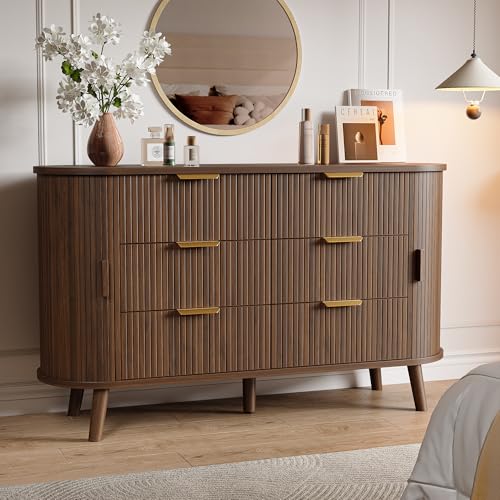
Vintage Mid Century Tallboy Dresser
Your complete guide to understanding, evaluating, and choosing a vintage mid century tallboy dresser — from iconic wood species and drawer layouts to restoration considerations and room placement.
Explore the GuideWhat Is a Vintage Mid Century Tallboy Dresser?
A vintage mid century tallboy dresser is a vertically oriented chest of drawers produced roughly between the 1940s and 1970s, during the mid century modern design movement. Unlike wide, low-slung dressers, the tallboy silhouette stacks four to six drawers in a compact footprint that suits smaller bedrooms, apartments, and walk-in closets.
The form is defined by clean, unornamented lines, tapered or splayed legs, and a strong emphasis on functionality. Designers of the era favored honest materials — particularly walnut, teak, and oak — and let the grain pattern serve as the primary decoration. Hardware is typically minimal: recessed pulls, sculpted wood handles, or slim metal bars.
If you are still comparing silhouettes, our broader guide to the vintage mid century modern dresser covers the full range of forms, while the vintage mid century tallboy dresser page focuses specifically on the vertical format.
Why the tallboy format matters: A tallboy concentrates storage vertically, which frees floor space in compact rooms. For buyers working with limited square footage, this vertical approach is often more practical than a wide, low dresser — especially in narrow bedrooms or alongside a bed that already occupies the center of the room.
Design Characteristics of the Mid Century Tallboy
Recognizing an authentic mid century tallboy requires attention to a handful of recurring design cues. The following table summarizes the features that most consistently appear across the era.
| Feature | Typical Expression | What to Look For |
|---|---|---|
| Silhouette | Tall and narrow, often 40–48 inches high | Straight vertical lines with a slight taper toward the base |
| Legs | Tapered, splayed, or hairpin metal | Solid wood legs with consistent taper; no wobble |
| Drawer fronts | Flat, flush, or slightly recessed | Consistent grain alignment across adjacent drawers |
| Hardware | Recessed pulls, sculpted wood, slim metal bars | Original hardware intact; no mismatched replacements |
| Joinery | Dovetail or mortise-and-tenon | Tight joints; no gaps or separation at corners |
| Finish | Oil, lacquer, or hand-rubbed wax | Even tone; no overspray or uneven refinishing |
Wood Species and Materials
The material palette of the mid century tallboy is one of its defining traits. Walnut dominates, but teak, rosewood, oak, and maple all appear depending on the region and manufacturer.
Walnut
Walnut is the signature wood of American mid century modern furniture. Its rich, chocolate-brown tone and flowing grain pattern made it a natural fit for the era's minimalist aesthetic. A walnut dresser mid century piece typically uses veneer over a solid wood frame to achieve consistent grain across drawer fronts. Many buyers specifically seek walnut because it pairs well with neutral walls and warm textiles.
Teak and Rosewood
Scandinavian and European manufacturers frequently used teak, valued for its golden-brown hue and resistance to moisture. Rosewood, darker and more dramatic, appears in higher-end pieces. Both species age gracefully but can dry out in low-humidity environments, so periodic oiling is often recommended.
Oak and Maple
Oak and maple appear in mid century pieces too, often with a lighter finish. A vintage oak dresser tends to show more prominent grain than walnut and is a good option for buyers who prefer a lighter, more rustic tone. Maple offers a pale, uniform surface that works well in bright rooms.
Veneer vs. Solid Wood
Veneer is not a sign of inferior quality in mid century furniture — it was often used intentionally to control grain pattern and reduce weight. The concern is condition: veneer can lift, chip, or bubble over decades. Inspect edges and drawer fronts carefully for separation.
Drawer Layout and Storage Capacity
The tallboy format typically offers four to six drawers, with some designs adding a small cabinet door or open shelf at the top or bottom. The layout affects how usable the piece is day to day.
Common Configurations
- 4-drawer tallboy: Often two smaller drawers over two deeper drawers. Good for folded clothing and accessories.
- 5-drawer tallboy: A popular configuration with graduated depths — shallower at the top, deeper at the bottom.
- 6-drawer tallboy: Maximum vertical storage; sometimes split into two columns of three drawers.
- Drawer-plus-door: A top cabinet or bottom compartment adds flexibility for bulkier items.
Drawer Glides and Operation
Mid century dressers used wood-on-wood glides or early metal slides. Wood glides can become sticky over time but are often restorable with paraffin wax or a silicone lubricant. Metal slides should be checked for bent tracks and missing stops. Smooth, quiet operation is a good indicator of a well-maintained piece.
Interior Depth
Tallboy drawers are typically shallower front-to-back than wide dresser drawers. This is fine for folded shirts and accessories but may not suit bulky sweaters or bedding. Measure the interior depth before committing if you plan to store larger items.
How to Evaluate a Vintage Tallboy Before Buying
Vintage furniture carries history, and history sometimes means wear. A structured inspection helps you separate cosmetic patina from structural problems.
| Area | What to Check | Red Flags |
|---|---|---|
| Structure | Gently rock the piece; check corner joints | Wobble, separated joints, loose legs |
| Veneer | Run a hand over drawer fronts and top | Lifting, bubbling, chipped edges |
| Drawers | Open and close each drawer fully | Sticking, sagging, missing stops |
| Hardware | Inspect pulls and knobs | Mismatched replacements, stripped screws |
| Finish | Look for even tone and sheen | Overspray, uneven refinishing, water rings |
| Pests | Check underside and back panel | Frass, small holes, musty odor |
For buyers comparing multiple vintage options, a broader look at the vintage dresser and nightstand set category can help clarify whether a matching set is worth pursuing versus a standalone tallboy.
Restoration and Care
Many vintage tallboys need only light maintenance rather than full restoration. Understanding the difference protects both the piece and its character.
Light Maintenance
- Dust regularly with a soft, dry cloth.
- Use a wood-safe cleaner for grime; avoid silicone-based polishes that can build up.
- Apply a thin coat of paste wax once or twice a year to protect the finish.
- Keep the piece out of direct sunlight to prevent uneven fading.
When to Consider Refinishing
Refinishing is appropriate when the existing finish is failing — flaking, deeply scratched, or stained beyond cleaning. For painted pieces, techniques like using chalk paint on furniture can modernize a worn tallboy without stripping it down to bare wood. However, refinishing an original walnut or teak piece can reduce its collectible character, so weigh the decision carefully.
Drawer Glide Repair
Sticking wood glides are common and usually fixable. Clean the track, remove debris, and apply paraffin wax or a dry lubricant. Avoid oil-based lubricants, which attract dust and can darken the wood over time.
Placement and Styling Ideas
The tallboy's compact footprint makes it adaptable across rooms. In a bedroom, it works well beside a bed or against a narrow wall where a wide dresser would not fit. In a walk-in closet, it can serve as a dedicated accessory station. Some buyers use a tallboy in a hallway or entryway as a compact storage console.
Room-by-Room Placement
- Bedroom: Pair with a vintage dresser and nightstand set for a cohesive look, or use the tallboy alone as a space-saving alternative.
- Walk-in closet: Position against a short wall; the vertical stack keeps folded items accessible without consuming floor space.
- Entryway: Use the top surface for keys and mail; add a small tray to protect the wood.
- Guest room: A tallboy offers generous storage without dominating the room.
Styling on Top
Keep the top surface minimal. A small lamp, a framed print, or a shallow tray of everyday items complements the clean lines. Avoid heavy decor that obscures the wood grain — the material is the focal point.
Tallboy vs. Other Vintage Dresser Formats
Understanding how the tallboy compares to other vintage formats helps narrow the decision.
| Format | Footprint | Best For | Storage Style |
|---|---|---|---|
| Tallboy | Narrow, vertical | Small bedrooms, closets, narrow walls | Stacked drawers, graduated depths |
| Wide dresser | Broad, low | Large bedrooms, under-window placement | Side-by-side drawers, generous surface |
| Chest of drawers | Medium, vertical | Versatile placement | Mixed drawer sizes |
| Armoire | Tall, deep | Hanging storage plus drawers | Combination of hanging and folded |
If you are comparing vintage formats more broadly, the vintage chest of drawers guide explores the middle ground between tallboys and wide dressers.
Key Buying Considerations
Before committing to a vintage mid century tallboy, weigh the following factors.
Authenticity vs. Reproduction
Reproduction mid century tallboys are widely available. Authentic pieces usually show signs of age — slight finish wear, minor veneer checks, and hardware patina. Reproductions tend to be more uniform. Neither is inherently better, but the distinction affects long-term character and collectibility.
Tier Positioning
Vintage tallboys span a range of market positions. Entry-level pieces are often mass-produced reproductions or heavily worn originals. Mid-range pieces include well-preserved originals from established manufacturers. High-end tier and top-tier pieces are typically signed, documented, or attributed to recognized designers.
Shipping and Handling
Tallboys are top-heavy and require careful transport. Confirm that the seller offers freight shipping or local pickup, and inspect the piece on arrival before signing for delivery.
Storage Needs
Measure your available wall space and drawer capacity needs before buying. A tallboy with four drawers may not suit a household with extensive folded-clothing storage requirements.
Frequently Asked Questions
What defines a vintage mid century tallboy dresser?
A vintage mid century tallboy dresser is a vertically oriented chest of drawers produced roughly between the 1940s and 1970s, characterized by clean lines, tapered legs, minimal ornamentation, and a stack of four to six drawers in a compact footprint.
What woods are used in mid century tallboy dressers?
Walnut is the most iconic wood, followed by teak, rosewood, oak, and maple. Many pieces use veneer over solid wood frames to achieve consistent grain patterns.
How many drawers does a typical tallboy dresser have?
Most mid century tallboy dressers have four to six drawers stacked vertically, though some designs include a combination of drawers and a small cabinet door or open shelf.
How do I check the condition of a vintage tallboy before buying?
Inspect drawer glides for smooth operation, check for veneer lifting or chipping, test structural stability by gently rocking the piece, and look for signs of wood-boring insects or water damage.
Can a vintage tallboy be repainted or refinished?
Yes. Light maintenance is preferable for well-preserved originals, but heavily worn pieces can be refinished or painted. Note that refinishing an original walnut or teak piece may reduce its collectible character.
Where should I place a tallboy dresser in a bedroom?
Place it against a narrow wall beside the bed, in a corner, or in a walk-in closet. The compact footprint makes it suitable for rooms where a wide dresser would obstruct movement.
Ready to Find Your Vintage Mid Century Tallboy?
Browse our curated selection of vintage and mid century tallboy dressers to compare styles, materials, and drawer configurations.
View Recommended Tallboys