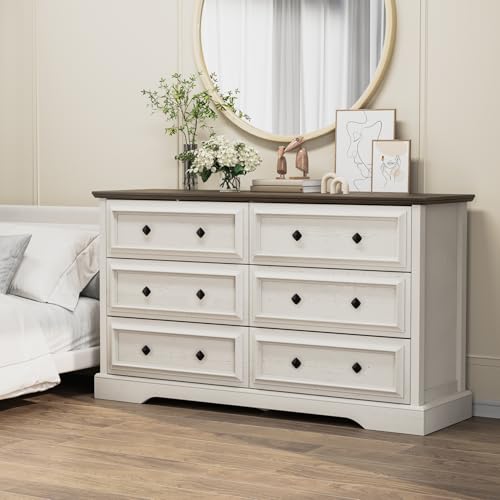
Vintage Farmhouse Chest of Drawers: Complete Buying Guide
Everything you need to know about choosing a rustic, character-rich chest of drawers that brings warmth and practical storage to your bedroom or living space.
START THE GUIDEWhy a vintage farmhouse chest of drawers? These pieces blend old-world charm with everyday function. Weathered finishes, sturdy joinery, and generous drawer space make them a favorite for homeowners who want furniture with personality. This guide walks you through styles, materials, sizing, and maintenance so you can buy with confidence.
What Is a Vintage Farmhouse Chest of Drawers?
A vintage farmhouse chest of drawers is a storage piece inspired by traditional rural furniture from the 19th and early 20th centuries. It typically features solid wood construction, simple lines, and finishes that show the natural grain or intentional distressing. Unlike sleek modern dressers, farmhouse chests embrace imperfection: knots, visible joinery, and gently worn paint are all part of their appeal.
These chests range from genuine antiques to modern reproductions built in the farmhouse style. If you are exploring the broader category, our vintage chest of drawers guide provides additional context on period details and construction methods. For those who prefer the narrow, tall profile, a vertical dresser may also suit tighter floor plans.
The farmhouse aesthetic pairs naturally with cottage, coastal, and rustic interior design. A well-chosen chest can serve as a focal point in a bedroom, a practical sideboard in a dining room, or a welcoming storage console in an entryway.
Farmhouse Styles and Design Variations
Farmhouse style is not a single look. Several distinct variations fall under the umbrella, each with its own character and ideal setting.
Classic Painted Farmhouse
Cream, soft white, and pale gray painted finishes are staples of the farmhouse look. Distressed edges and visible brush strokes add depth. If a lighter palette appeals to you, our vintage white dresser collection offers inspiration for styling and finish options.
Natural and Weathered Wood
Unpainted or lightly stained wood chests celebrate natural grain and texture. Reclaimed timber and whitewashed finishes are common in this variation. For a deeper wood tone, a vintage wood dresser guide can help you match the finish to your existing furniture.
French and Cottage Influences
Some farmhouse chests borrow curved legs, carved details, and ornate hardware from French provincial and cottage styles. These pieces sit comfortably in bedrooms with a romantic or shabby-chic aesthetic.
Rustic and Industrial Farmhouse
Blackened hardware, exposed metal accents, and rough-hewn wood give this variation a sturdier, more utilitarian look. It works particularly well in lofts, cabins, and modern rustic homes.
Wood Types and Finishes
The material of a chest of drawers determines its durability, weight, and how it will age. Here is how the most common farmhouse woods compare.
| Wood Type | Character | Durability | Best For |
|---|---|---|---|
| Pine | Knotty, soft, warm grain | Entry-level to mid-range | Distressed and painted finishes |
| Oak | Strong grain, heavy, long-lasting | Premium to high-end tier | Natural and stained finishes |
| Maple | Smooth, fine grain, hard surface | Mid-range to premium | Painted and natural looks |
| Reclaimed Wood | Weathered, unique markings | Varies by source | Rustic and one-of-a-kind pieces |
Finish choices matter as much as the wood itself. Chalk paint, milk paint, and wax finishes are popular for farmhouse pieces because they create a soft, matte look that ages gracefully. If you plan to refresh an existing chest, our guide on using chalk paint on furniture covers preparation and application in detail. For a pine-specific deep dive, see the vintage pine dresser article.
Key Buying Factors: Size, Drawers, and Joinery
Before you commit to a piece, evaluate these practical considerations. They determine whether the chest will fit your space and serve your storage needs for years.
Measure Your Space
Chests of drawers vary widely in width, depth, and height. Measure your available wall space and account for drawer clearance. As a rule of thumb, leave at least 24 inches of open floor space in front of the chest so drawers can extend fully. A vintage chest of drawers with deep drawers may require additional clearance.
Drawer Count and Configuration
Four-drawer chests are the most common farmhouse configuration and suit most bedrooms. Five- and six-drawer models offer more capacity for larger households or shared rooms. Consider the drawer depth as well: shallow drawers work well for clothing, while deeper drawers accommodate linens and bulkier items.
Joinery and Hardware
Dovetail joinery is a hallmark of quality construction and a sign of durability. Look for solid wood drawer sides rather than particle board. Original or period-appropriate hardware, such as wooden knobs or cast-iron pulls, adds authenticity. Replacement hardware is fine as long as it matches the style.
Condition and Restoration
If you are buying an antique, inspect for loose joints, water damage, and drawer alignment. Minor surface wear is expected and often desirable. Structural issues are fixable but should be factored into your decision. Our second-hand vintage chest of drawers guide offers a checklist for evaluating pre-owned pieces.
Quick tip: Bring a tape measure and a level to in-person viewings. A chest that wobbles on a flat floor may need leg repair or shimming. For online purchases, request close-up photos of drawer interiors and the back panel.
Where to Place Your Farmhouse Chest
A vintage farmhouse chest of drawers is versatile. Here are the most common placements and what to consider for each.
Bedroom
The bedroom is the natural home for a chest of drawers. Position it opposite or beside the bed, leaving room for a mirror above if desired. A vintage farmhouse chest of drawers anchors the room with warm texture and pairs well with linen bedding and natural fiber rugs.
Living Room and Dining Room
Use a farmhouse chest as a sideboard, media console, or buffet. Its drawers hide clutter, and the top surface works well for lamps, books, and decor. Choose a lower, wider model to maintain sightlines in open-plan spaces.
Entryway and Hallway
A narrow chest in the entryway provides storage for gloves, mail, and small accessories. Look for a vertical dresser if floor space is limited.
Nursery and Guest Room
Farmhouse chests work well in nurseries and guest rooms, provided they are secured to the wall for safety. If you need a dedicated changing surface, explore nursery dresser options that combine storage with practical height.
Care and Maintenance Tips
Proper care keeps a farmhouse chest looking its best and extends its lifespan. The approach depends on the finish.
- Dust regularly with a soft, dry cloth. Avoid abrasive pads that can scratch distressed finishes.
- Clean painted surfaces with mild wood soap and a damp cloth. Dry immediately to prevent moisture damage.
- Re-wax sealed wood annually with a furniture wax to maintain protection and sheen.
- Control humidity by keeping the chest away from heating vents and direct sunlight. Wood expands and contracts with moisture changes.
- Check hardware periodically and tighten screws. Replace worn felt pads under lamps and decor to prevent scratches.
- Address drawer issues early by lubricating wooden runners with candle wax or paraffin.
For a piece with significant wear, gentle restoration can preserve character while improving function. Our chalk paint furniture guide is a useful starting point for refinishing projects.
Ready to Find Your Farmhouse Chest?
Explore curated vintage farmhouse chest of drawers options below and compare features that suit your space and storage needs.
View RecommendationsFrequently Asked Questions
A vintage farmhouse chest of drawers combines rustic, weathered wood finishes, simple hardware, and practical drawer storage inspired by traditional rural furniture. Common hallmarks include distressed paint, dovetail joinery, and solid wood construction.
Pine, oak, and maple are traditional choices. Pine offers a soft, knotty character, oak provides durability and prominent grain, and maple delivers a smoother, harder surface. Reclaimed wood is also popular for authentic vintage character.
Measure your available wall space and leave at least 24 inches of clearance for drawers to open. A four-drawer chest typically suits compact rooms, while five- to six-drawer models fit larger bedrooms and provide more storage capacity.
Yes. Farmhouse chests work well in entryways, living rooms, dining rooms, and bathrooms. Their rustic finish blends with coastal, cottage, and industrial decor, making them versatile storage pieces beyond the bedroom.
Dust regularly with a soft cloth and avoid harsh chemical cleaners. For painted or distressed finishes, use a mild wood soap and re-wax sealed surfaces annually. Keep the piece away from direct sunlight and humidity swings to prevent cracking.
Final Thoughts
A vintage farmhouse chest of drawers is more than storage: it is a piece with history and warmth that can anchor a room for decades. By understanding the styles, materials, and practical factors covered in this guide, you can choose a chest that fits your space, suits your routine, and reflects your taste. Whether you prefer a painted cottage look or a natural reclaimed-wood finish, the right farmhouse chest will serve you well for years to come.