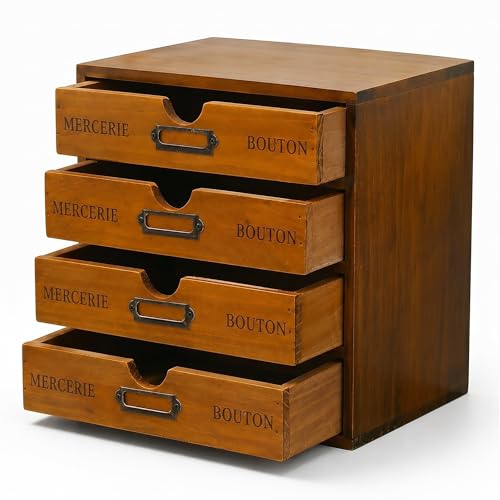
Vintage Drawers: The Complete Buyer's Guide
From ornate Victorian chests to clean mid-century silhouettes, vintage drawers bring character, craftsmanship, and lasting storage to any bedroom. Learn how to identify quality, choose the right style, and buy with confidence.
Start Your ResearchWhy vintage drawers? Unlike mass-produced furniture, vintage drawers carry decades of design history. The wood has often stabilized, the joinery reflects techniques rarely used today, and each piece tells a story. This guide helps you navigate the market intelligently — from spotting authentic craftsmanship to understanding what each style offers for modern living.
In This Guide
What Are Vintage Drawers?
Vintage drawers refer to chests of drawers, dressers, and storage furniture produced roughly between the 1920s and the 1980s. Unlike antiques — typically defined as pieces over 100 years old — vintage furniture occupies a sweet spot: old enough to offer superior materials and construction, yet recent enough to fit comfortably into contemporary homes.
The term encompasses a wide range of pieces, from a vintage chest of drawers with hand-cut dovetails to a mid-century modern dresser with clean lines and tapered legs. What unites them is a combination of solid construction, distinctive design, and the patina that only time can create.
Buyers are drawn to vintage drawers for several reasons: the wood is typically solid rather than veneered particleboard, the drawer mechanisms are often simpler and more repairable, and the designs carry a personality that new furniture rarely matches. For those furnishing a bedroom with character, a vintage wood dresser often becomes the anchor piece of the room.
Popular Vintage Drawer Styles
The style of your vintage drawers dramatically affects both the visual impact and the practical storage they provide. Here are the most sought-after categories and what each offers.
Mid-Century Modern
Clean lines, tapered legs, and warm wood tones define mid-century modern drawers. Produced primarily from the late 1940s through the 1960s, these pieces emphasize function without sacrificing elegance. A mid-century tallboy dresser offers generous vertical storage in a footprint that suits smaller bedrooms, while a standard-height mid-century dresser works beautifully as a bedroom anchor with room for a mirror or decor on top.
Look for walnut and teak veneers over solid wood frames, and examine the drawer fronts for consistent grain patterns. These pieces pair well with both contemporary and retro-inspired interiors.
Victorian & Antique-Inspired
Ornate carvings, turned legs, and rich dark finishes characterize Victorian-era drawers. A Victorian dresser often features marble tops, mirror attachments, and elaborate hardware. These pieces suit traditional bedrooms and make dramatic statements in otherwise neutral spaces.
When shopping, check that any marble top is free of cracks and that the mirror (if present) has its original silvering intact. Many Victorian pieces have been refinished over the decades — original finish is preferable for collectors, but a well-executed restoration remains perfectly functional for daily use.
Farmhouse & Rustic
Painted finishes, simple hardware, and honest construction define the farmhouse aesthetic. A vintage farmhouse chest of drawers often shows wear that adds to its charm — chipped paint, softened edges, and visible wood grain beneath the finish. These pieces bring warmth and a lived-in quality that suits casual, welcoming interiors.
Pine is the most common wood in this category. A vintage pine dresser may show knots and grain patterns that were once considered flaws but are now celebrated as character. Check for stable joints and smooth drawer operation, as softer woods can wear more quickly.
Art Deco & Waterfall
Geometric shapes, bold veneers, and dramatic hardware distinguish Art Deco drawers. The waterfall dresser — named for its curved, continuous top edge — is a signature piece of the era. These drawers often feature exotic wood veneers and chrome or bakelite hardware.
Art Deco pieces are statement furniture. They work best in rooms where they can be appreciated as focal points, paired with simpler surrounding pieces to avoid visual competition.
Painted & White Vintage
A vintage white dresser brings brightness and versatility to bedrooms. Many were originally painted or have been refinished in white over the years. The appeal lies in their ability to blend with various decor styles — from cottage to coastal to modern farmhouse.
For a more glamorous take, a vintage white and gold dresser combines classic form with metallic accents that add warmth and sophistication. These pieces suit bedrooms where a touch of elegance is desired without overwhelming the space.
Materials & Wood Types
The wood used in vintage drawers tells you a great deal about durability, weight, and how the piece will age in your home. Here's what to look for:
| Wood Type | Characteristics | Best For | Watch For |
|---|---|---|---|
| Oak | Hard, dense, prominent grain; excellent durability | High-traffic bedrooms; heirloom pieces | Heavy weight; may need reinforcement for older joints |
| Walnut | Rich color, fine grain, takes finish beautifully | Mid-century and traditional styles | Veneer lifting; check edges and drawer fronts |
| Mahogany | Deep reddish-brown, smooth texture, classic elegance | Formal bedrooms; antique-style pieces | Fading from sun exposure; refinishing can reduce value |
| Pine | Soft, knotty, warm; develops patina over time | Farmhouse and rustic styles | Dents and scratches; softer wood wears faster |
| Maple | Hard, fine-grained, light color; very durable | Painted finishes; clean-lined designs | Can be difficult to stain evenly |
| Teak | Golden-brown, oily, weather-resistant | Mid-century modern pieces | Requires occasional oiling; can dry out in low humidity |
Beyond the primary wood, examine the drawer bottoms and back panels. Solid wood or high-quality plywood indicates better construction than thin hardboard. A vintage dark wood chest of drawers often uses secondary woods for interiors — this is normal and not a sign of poor quality, provided the drawer fronts and structural elements are sound.
For those considering unfinished options as an alternative to vintage, our guide to unfinished solid wood chest of drawers explains how raw wood compares to aged vintage pieces.
Hardware & Joinery
The hardware and joinery of vintage drawers are among the most reliable indicators of quality. Here's what to examine:
Dovetail Joints
Hand-cut dovetails — interlocking wedge-shaped joints at drawer corners — are the gold standard of drawer construction. They indicate skilled craftsmanship and typically last for generations. Machine-cut dovetails are also acceptable; they're more uniform but still strong. Avoid drawers joined only with nails, staples, or glue without mechanical reinforcement.
Drawer Slides
Older drawers typically use wood-on-wood slides, where the drawer bottom runs directly on the frame. These are simple, repairable, and — when properly maintained — operate smoothly. Some mid-century pieces use metal slides, which can be lubricated or replaced if worn. Avoid drawers with broken or missing slides unless you're prepared for restoration.
Handles & Pulls
Original hardware adds significant character and value. Look for brass, bronze, or bakelite pulls that match the era of the piece. Replacement hardware is acceptable for daily use, but keep original pieces if they're included — collectors and future buyers appreciate them.
Key Buying Factors
When evaluating vintage drawers, consider these factors to ensure you're making a sound purchase:
- Structural integrity: Check all joints, legs, and frame connections. Minor wobbles can often be tightened; significant separation or cracks may require professional repair.
- Drawer function: Open and close every drawer. They should glide smoothly without excessive force. Sticking drawers may indicate swollen wood (humidity damage) or misaligned slides.
- Odor: Vintage furniture can carry musty smells from storage. Mild odors often dissipate with airing; strong mildew or smoke smells may be difficult to remove.
- Finish condition: Some patina and wear are expected and desirable. However, extensive peeling veneer or deep scratches may require refinishing — factor this into your decision.
- Dimensions: Measure your space before shopping. A vintage chest of drawers may have different proportions than modern equivalents. Check height, width, depth, and drawer capacity.
- Authenticity: Look for maker's marks, labels, or stamps on the back or drawer bottoms. These help identify the manufacturer and era, and can confirm whether the piece is genuinely vintage.
If you're considering a piece that needs work, our guide to using chalk paint on furniture covers a popular refinishing approach that works well on vintage wood.
Choosing for Your Room
Vintage drawers come in many configurations. Matching the piece to your room's proportions and storage needs ensures both beauty and function:
- Small bedrooms: A tallboy dresser or vertical dresser maximizes storage in a compact footprint. Look for narrower widths that fit tight spaces.
- Standard bedrooms: A vintage dresser and nightstand set creates visual cohesion and provides balanced storage on both sides of the bed.
- Guest rooms: A vintage white dresser offers versatile style and easy coordination with existing decor.
- Walk-in closets: A walk-in closet chest of drawers or vintage chest can bring organized storage into a dedicated dressing area.
Consider the visual weight of the piece as well. Dark woods and ornate carvings can dominate a small room, while painted or lighter-toned vintage pieces feel more open. For a cohesive look, pair your vintage drawers with complementary pieces — a matching nightstand set or a simple vanity dresser with mirror for a complete bedroom arrangement.
Care & Restoration
Vintage drawers require modest care to remain functional and beautiful. Here's a practical approach:
Routine Care
- Dust regularly with a soft cloth. Avoid silicone-based polishes, which can build up and dull the finish.
- Use a wood-safe cleaner or a damp cloth for deeper cleaning, then dry immediately.
- Keep drawers out of direct sunlight to prevent fading and wood drying.
- Maintain moderate humidity (40–50%) to prevent wood swelling or shrinking.
- Lubricate wood-on-wood slides with paraffin wax or a dedicated drawer lubricant annually.
Restoration Considerations
Should you refinish or preserve? Original finish — even with wear — often holds more character and value than a fresh coat. If the finish is flaking or the wood is damaged, professional restoration may be worthwhile for high-quality pieces.
For DIY-minded owners, a unfinished wood dresser project can be a way to learn refinishing skills on a simpler piece before working on a treasured vintage item.
Where to Find Quality Pieces
Vintage drawers are available through several channels, each with distinct advantages:
- Estate sales and auctions: Often the best source for authentic pieces at reasonable positions within their tier. Inspect in person whenever possible.
- Antique shops and vintage dealers: Curated selections with knowledgeable staff. You'll find restored and unrestored pieces, often with provenance information.
- Online marketplaces: Wide selection but higher risk. Request detailed photos of joints, drawer slides, and any damage before committing.
- Thrift and consignment stores: Occasional finds at entry-level positions in the market. Requires patience and regular visits.
For those specifically seeking second-hand pieces, our article on vintage chest of drawers second-hand offers additional guidance on evaluating pre-owned furniture. And if you're considering a range of vintage styles, exploring a vintage chest of drawers for sale listing can help you compare what's currently available in your area.
Frequently Asked Questions
How can I tell if vintage drawers are solid wood or veneer?
Examine the edges and drawer bottoms. Solid wood shows continuous grain through the thickness; veneer has a thin top layer over a different substrate, often visible at edges where the layers separate. Both can be quality construction — high-quality veneer over solid wood is common in mid-century pieces.
What is the difference between vintage and antique drawers?
Antique typically refers to pieces over 100 years old. Vintage generally covers items from the 1920s through the 1980s. Vintage pieces are more readily available and often better suited to modern living, while antiques appeal more to collectors.
Are vintage drawers safe for bedrooms?
Yes, provided they are structurally sound and stable. Check that the piece is balanced, drawers close properly, and there are no sharp edges or protruding nails. For children's rooms, anchor tall pieces to the wall as you would with any furniture.
How do I remove musty smells from vintage drawers?
Empty the drawers and air them outdoors in a shaded, well-ventilated area for several days. Place bowls of baking soda or activated charcoal inside closed drawers to absorb odors. For persistent smells, wipe interiors with a diluted white vinegar solution and allow to dry completely.
Should I refinish vintage drawers or leave the original finish?
Preserve the original finish whenever possible — it carries character and often value. Refinish only if the existing finish is damaged beyond repair, or if the piece has already been refinished and needs updating. For valuable or rare pieces, consult a professional before altering the finish.
What should I check before buying vintage drawers online?
Request close-up photos of drawer joints, slides, and any damage. Ask for exact dimensions and confirm the seller's return policy. Read reviews of the seller if available. For higher-tier pieces, consider a video call to inspect the piece in real time.
Ready to Find Your Vintage Drawers?
Explore our curated selection of vintage-inspired and authentic vintage drawers. Each piece is evaluated for construction quality, functionality, and character.
Browse Recommended Pieces