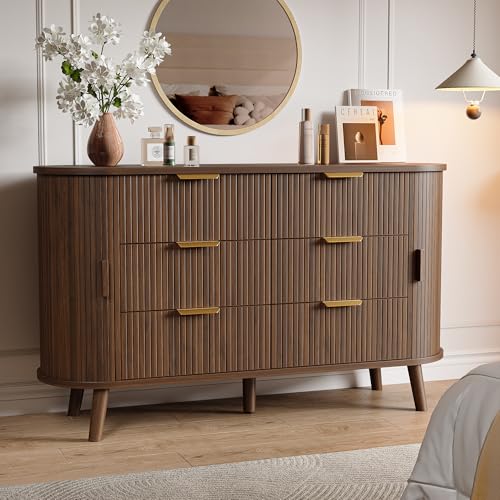
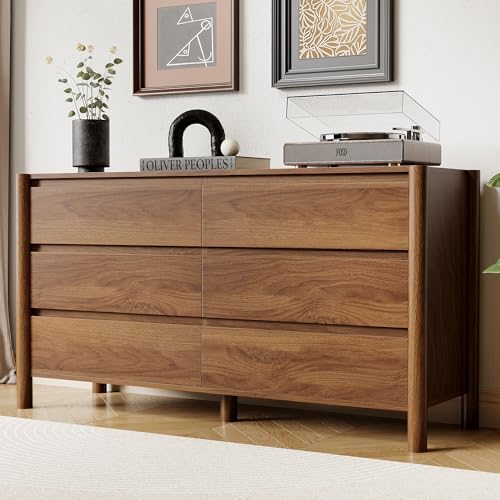
Walnut Dresser Mid Century: The Ultimate Buying Guide
Embrace the clean lines, warm tones, and timeless design of a mid-century modern walnut dresser. Discover how to choose the perfect piece for your home.
Why a Mid-Century Walnut Dresser? The mid-20th century saw a revolution in furniture design, prioritizing function, clean lines, and a connection to nature. A walnut dresser from this era isn't just storage—it's a statement piece. Its rich, dark wood and iconic silhouette can elevate any bedroom, offering both vintage charm and modern practicality. This guide explores everything you need to know, from key design elements to material quality, ensuring you make an informed choice for a piece that will last for decades.
The Allure of Mid-Century Walnut
Walnut was a favored material for mid-century designers for good reason. Its grain is typically straighter and more uniform than oak or ash, making it ideal for the sleek, uncluttered forms that define the style. The wood's natural color ranges from a rich, chocolatey brown to a lighter, golden hue, adding warmth and sophistication to any room. When you choose a walnut dresser mid century, you are investing in a piece of design history. The durability of walnut also means that a well-crafted dresser can become a cherished heirloom.
Key Design Elements to Look For
Identifying an authentic mid-century style is about recognizing its signature features. Keep an eye out for these distinct design cues:
- Tapered Legs: This is perhaps the most iconic feature. Legs that are thicker at the top and taper to a point are a hallmark of the era. They often angle outward slightly, giving the piece a sense of lightness.
- Clean, Geometric Lines: Forget ornate carvings. Mid-century design is about crisp, straight lines and smooth surfaces. The dresser should have a boxy, rectangular shape with minimal decoration.
- Subtle Details: Look for small, thoughtful details like raised edges on the top surface (to prevent items from falling), sculpted wooden pulls, or a contrasting wood accent.
- Functional Hardware: Hardware is often minimal and integrated. Wooden pulls or simple, understated metal knobs are common, keeping the focus on the wood itself.
Solid Wood vs. Veneer: What to Know
When evaluating a mid-century dresser, you'll encounter both solid wood and veneer constructions. Understanding the difference is crucial for assessing quality and longevity.
- Solid Walnut: A dresser made from solid walnut is a significant investment. It is incredibly durable, can be sanded and refinished multiple times, and has a beautiful, continuous grain pattern. The "solid wood" construction is often a marker of a higher-tier piece.
- Walnut Veneer: Many high-quality mid-century pieces use veneer over a solid wood or plywood frame. This involves applying a thin layer of real walnut to a stable core. This technique is not a sign of poor quality; in fact, it was common in the era and allows for more intricate grain matching. A well-applied veneer is durable and offers the same aesthetic appeal. Look for a piece where the veneer is thick and the core is a high-grade material.
For a truly authentic and long-lasting piece, a solid walnut dresser is the top-tier choice. However, a well-made veneer piece can offer a balanced tier option that is still very durable. You can explore a wider range of styles in our guide to walnut dressers.
Sizing and Drawer Configurations
The right size depends on your space and storage needs. Mid-century dressers come in various forms:
- Standard 6-Drawer Dresser: This is a classic configuration, often around 50-60 inches wide. It typically features two smaller drawers on top and four larger drawers below, offering a good balance of storage for clothing and accessories.
- Wide 9-Drawer Dresser: If you need more surface area and storage, a wide dresser is a great option. It can serve as a stunning focal point in a larger bedroom and is excellent for organizing different categories of items.
- Tall 5-Drawer Chest: Ideal for smaller spaces, a tall chest maximizes vertical storage. This is a great option for a closet or a bedroom with limited floor space.
Before you buy, measure your space carefully. Don't forget to account for the clearance needed to open the drawers fully. For a broader overview of options, see our dresser buying guide.
Quality and Durability Checklist
A mid-century piece should be built to last. Here’s what to check for:
- Joinery: Look for sturdy joinery like dovetail joints on the corners of drawers. This is a sign of quality craftsmanship.
- Drawer Glides: Original mid-century pieces often have wooden glides, which are durable but may need waxing. Some modern reproductions use metal glides for smoother operation. Both can be high-quality; just ensure the drawers slide smoothly without sticking.
- Sturdiness: Give the dresser a gentle shake. It should feel solid and not wobble. A sturdy frame is essential.
Investing in a quality piece ensures it will be a part of your home for years. If you're looking for a sturdy dresser, these checks are vital.
Styling Your Mid-Century Walnut Dresser
This iconic piece can be styled in many ways. To enhance its mid-century vibe, pair it with other design elements from the era, such as a sunburst mirror, a sleek lamp, or a retro chair. Keep the top surface relatively uncluttered to let the wood's beauty shine. A simple vase or a well-chosen object can add a personal touch without distracting from the dresser itself. If you need more inspiration, explore our room ideas for stylish bedrooms.
Frequently Asked Questions
What defines a mid-century modern walnut dresser?
Clean lines, tapered legs, a lack of ornamentation, and the rich tones of walnut wood are key. Details like sculpted pulls or a two-tone finish are also common.
Why is walnut a popular choice for mid-century furniture?
Its beautiful, straight grain, rich color, and durability were perfect for the sleek, unadorned forms of the era.
How can I tell if a walnut dresser is solid wood or veneer?
Check the edge of a drawer or the top for a continuous grain pattern. A seam indicates veneer. Solid walnut is more durable but also heavier and a more significant investment.
What are the common drawer configurations?
Popular configurations include the 6-drawer dresser, the wide 9-drawer dresser, and the tall 5-drawer chest.