Vintage Mid Century Modern Dresser
Your complete guide to finding the perfect mid-century dresser. From iconic teak designs to walnut masterpieces, discover timeless style and functionality.
A vintage mid century modern dresser is more than just a storage piece—it's a statement of timeless design and quality craftsmanship. Characterized by clean lines, organic curves, and functional forms, these dressers from the 1950s and 1960s have become highly sought-after for modern homes. Whether you're a collector or simply looking to add a touch of retro elegance to your bedroom, understanding the nuances of this style is key to making a smart purchase.
Mid-century modern furniture is celebrated for its blend of form and function. Unlike bulky, ornate dressers from earlier eras, the mid century modern dresser features tapered legs, simple hardware, and a focus on natural wood grains. This guide will walk you through everything you need to know—from identifying authentic pieces to choosing the right size and material for your space. We'll also share tips on where to find these treasures and how to care for them.
Key Characteristics of a Vintage Mid Century Modern Dresser
Before you start shopping, it's essential to know what makes a dresser truly "mid-century modern." Here are the hallmark features to look for:
- Materials: Most authentic pieces are made from high-quality hardwoods like teak, walnut, rosewood, or oak. You'll often find beautiful veneers used to create striking grain patterns.
- Legs: Tapered, angled legs (often called "hairpin" or "splayed" legs) are a signature design element. They give the dresser a light, elevated appearance.
- Hardware: Simple, understated hardware is the norm. Think sleek metal pulls, wooden knobs, or even integrated finger pulls. The focus is on clean lines, not ornate details.
- Shape and Form: Look for low-profile, horizontal designs with gentle curves. Many dressers feature a distinctive "floating" top or a curved front.
- Details: Subtle details like sculpted drawer fronts, organic-shaped handles, and contrasting wood inlays are common in higher-end pieces.
Choosing the Right Size for Your Space
Vintage mid-century dressers come in a variety of sizes, but they typically feature a longer, lower profile compared to contemporary dressers. It's important to measure your space carefully. A standard mid-century dresser is often around 60 to 72 inches wide, 18 to 20 inches deep, and 30 to 34 inches high. However, you can also find more compact sizes, perfect for smaller bedrooms or apartments.
Consider the layout of your room. A long, horizontal dresser can serve as a stunning focal point beneath a window or against a large wall. For smaller spaces, a taller chest of drawers might be a better use of vertical space. Always ensure there's enough clearance for the drawers to open fully. You might also want to explore related styles like a bureau dresser or a dresser with lock for added security and function.
Materials: Teak, Walnut, and Rosewood
The choice of wood is one of the most critical factors when selecting a vintage mid century modern dresser. Each type of wood offers a distinct aesthetic and durability:
- Teak: Known for its rich, golden-brown hue and natural oils that make it resistant to moisture and wear. Teak is a favorite for mid-century furniture, especially Danish modern designs. It ages beautifully and is relatively easy to maintain.
- Walnut: Prized for its deep, chocolate-brown color with beautiful swirling grain patterns. Walnut dressers are incredibly elegant and add a sense of warmth and luxury to any room. They are also very durable.
- Rosewood: A rarer and more expensive wood, rosewood features a striking dark reddish-brown color with contrasting black streaks. It's often used for high-end, collectible pieces.
When assessing a piece, check for solid wood vs. veneer. Many mid-century dressers used a combination—solid wood for the frame and legs, and beautiful, book-matched veneers for the drawer fronts and sides. This was a design choice that allowed for more intricate patterns and is a sign of quality craftsmanship. For a similar vibe but with a different material, you might also consider a solid pine dresser or a fluted wood dresser for a modern twist.
Price Range & Where to Buy
The price of a vintage mid century modern dresser can vary dramatically based on its condition, rarity, maker, and materials. For an authentic, well-maintained piece, you can expect to pay anywhere from $800–$2,500 at a reputable vintage dealer or auction house.
Online marketplaces like eBay, Chairish, and 1stDibs are excellent resources, but it's crucial to carefully inspect photos and descriptions. If you're looking for a more budget-friendly option, consider estate sales, garage sales, or local vintage furniture stores. You might also find a vintage style dresser that captures the look at a more accessible price point. Remember, a little wear and tear can often be refinished or can add to the piece's charm and authenticity.
How to Integrate a Mid-Century Dresser in Your Home
A vintage mid-century dresser is incredibly versatile. Here are a few ways to style it in your home:
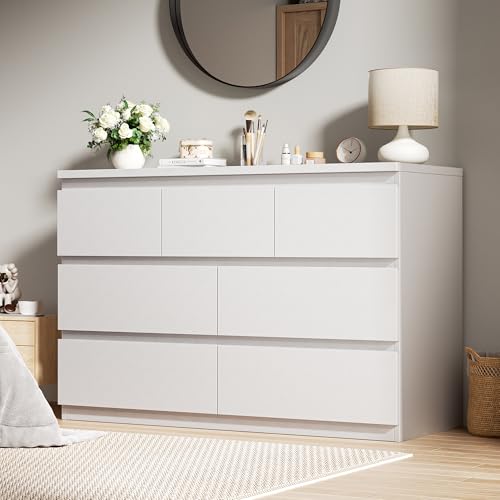
- Bedroom Focal Point: Place it against a wall with a large, minimalist mirror above it. Add a table lamp with an organic shape and a few curated objects like a ceramic bowl or a stack of books.
- Living Room Credenza: A longer, lower dresser can function as a stunning credenza for displaying art, holding a TV, or storing linens and entertainment items.
- Entryway Console: In a hallway or entryway, a smaller dresser can serve as a catch-all for keys and mail, while adding instant style and storage.
- Mix with Other Styles: Don't be afraid to combine your mid-century dresser with contemporary or even traditional decor. The clean lines of MCM furniture often play well with other styles, creating an eclectic and personalized look.
If you love the style but need a more compact solution, consider a narrow chest of drawers or a small chest dresser that fits into tighter spaces while still maintaining that classic mid-century vibe.
Maintaining Your Vintage Dresser
Proper care will ensure your dresser remains a treasured piece for decades. Always use a soft, dry cloth for regular dusting. For deeper cleaning, use a specialized furniture polish or a mix of warm water and mild soap, applied with a damp (not wet) cloth. Avoid harsh chemicals and direct sunlight, which can damage the wood's finish and cause fading.
For pieces with veneers, be extra cautious with liquids, as they can seep under the veneer and cause damage. If your dresser has some wear, consider having it professionally refinished to restore its original luster. Many experts also recommend using furniture wax to protect the surface and enhance the natural beauty of the wood.
Frequently Asked Questions
What is the difference between a vintage dresser and a reproduction?
Vintage dressers are authentic pieces from the 1950s-1960s, while reproductions are new pieces designed to look like them. Vintage items often have better craftsmanship and materials, but reproductions are more accessible and can be more durable for everyday use.
Are mid-century modern dressers still popular?
Absolutely. The clean lines and organic forms of mid-century modern design have made it a perennial favorite. The style's ability to complement a wide range of decor trends ensures it remains a popular choice for interior designers and homeowners alike.
Can I refinish a mid-century dresser myself?
Yes, many enthusiasts refinish their pieces. However, it requires patience and care, especially with veneers. It's often best to consult with a professional furniture restorer if you are unsure about the process.
How do I know if a piece is an authentic mid-century dresser?
Look for joinery like dovetail drawers, the presence of manufacturer stamps or labels, and the use of specific woods like teak or walnut. The design elements—tapered legs, simple hardware, and a low profile—are also strong indicators.