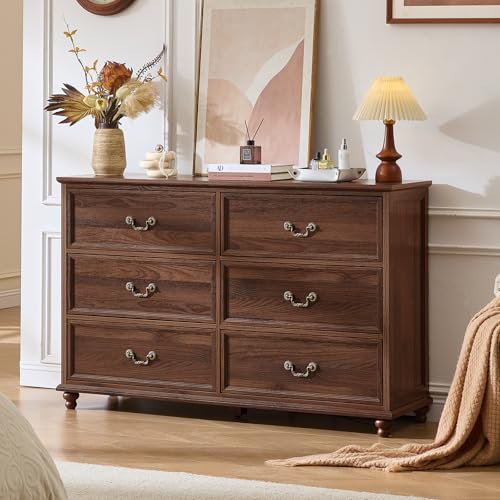
Vintage Wood Dresser: The Complete Buying and Care Guide
Everything you need to choose, evaluate, restore, and live with a vintage wood dresser. Learn how to spot quality construction, match a period style to your bedroom, and protect your investment for decades.
Jump to Buying ChecklistWhy vintage wood dressers deserve a place in your bedroom: A well-made vintage wood dresser offers density and craftsmanship that most new furniture cannot match. Older pieces were often built with solid wood frames, dovetailed drawer boxes, and joinery designed to be repaired rather than replaced. For a buyer in the research stage, the key is knowing what to inspect, which woods and styles hold up best, and how to care for a finish that may already be several decades old. This guide walks you through each decision in order.
What Counts as a Vintage Wood Dresser?
The term vintage wood dresser covers a wide range. In the furniture trade, "vintage" generally refers to pieces produced between roughly the 1920s and the 1990s, while "antique" usually means 100 years old or more. A vintage dresser can be a horizontal bedroom dresser, a tall chest, or a compact bedside piece. What ties these categories together is construction: older dressers were built with techniques that are easy to inspect and often easy to repair.
Buyers often confuse vintage with merely old. Age alone does not guarantee quality. A mass-produced 1970s dresser with stapled joints and particleboard drawers is technically vintage, but it will not perform like a solid wood piece from the same decade. The practical approach is to evaluate the dresser on its construction and condition first, then use style and period as secondary filters.
If your interest leans toward a specific wood rather than a specific era, the material guides on this site can help you narrow the field. For example, a vintage oak dresser emphasizes durability and visible grain, while a vintage pine dresser tends to suit softer, cottage-style interiors. Both can be excellent choices, but they age differently and require different care routines.
Vintage Dresser Styles and Periods
Style is the fastest way to shortlist candidates, but it should also tell you something about construction. Period styles often correlate with specific joinery methods, hardware types, and wood choices.
Victorian and Edwardian
Heavy proportions, carved details, and dark woods such as mahogany and walnut. Look for hand-cut dovetails and substantial drawer boxes. These pieces are often tall and formal, making them a strong match for traditional bedrooms. See our Victorian dresser guide for period-specific details.
Mid-Century Modern
Clean lines, tapered legs, and warm walnut or teak veneers. Mid-century pieces are popular but vary widely in quality; the best examples use solid wood edges and well-fitted drawers. Our mid-century modern dresser overview covers what to check before buying.
Farmhouse and Cottage
Painted or natural pine, simple plank construction, and practical drawer layouts. Farmhouse dressers are forgiving of wear and suit relaxed interiors. A vintage farmhouse chest of drawers is a good example of this category.
Art Deco and Waterfall
Curved fronts, bold veneers, and distinctive hardware. Waterfall dressers use a continuous curved top edge that is visually striking but can be fragile at the veneer seams. Inspect these pieces carefully for lifting veneer.
If you are drawn to a specific silhouette, our guides on the vintage mid-century tallboy dresser and the vintage style dresser can help you compare vertical versus horizontal formats. Vertical dressers suit narrow rooms, while horizontal dressers provide a wider top surface for display and daily use.
Wood Types Found in Vintage Dressers
The wood species affects weight, grain character, repair options, and how the piece responds to humidity. Below is a practical comparison of the most common vintage dresser woods.
| Wood Type | Typical Use | Durability | Best For |
|---|---|---|---|
| Oak | Farmhouse, traditional, Arts and Crafts | High; dense and resistant to wear | High-traffic bedrooms and long-term use |
| Walnut | Mid-century, Art Deco, formal bedroom sets | High; stable and fine-grained | Warm, refined interiors with visible grain |
| Mahogany | Victorian, Georgian, reproduction pieces | High; excellent for carving and veneer | Traditional and formal bedrooms |
| Pine | Cottage, farmhouse, utility furniture | Moderate; soft and prone to dents | Relaxed, painted, or rustic interiors |
| Maple | Colonial revival, American traditional | High; hard and tight-grained | Durable everyday dressers with clean lines |
| Cherry | Traditional American bedroom furniture | High; ages to a deep patina | Classic bedrooms with warm color palettes |
Wood type is not the only factor. A well-built pine dresser can outlast a poorly built walnut one. Use the species table to understand expected wear and care, then verify construction quality with the inspection steps below. If you are comparing a vintage piece against a new solid wood option, our unfinished solid wood chest of drawers page explains what to expect from raw, unfinished stock.
How to Inspect a Vintage Wood Dresser
This is the part most buyers skip, and it is the part that determines whether you bring home a future heirloom or a repair project. Work through these checks in order. Bring a flashlight, a small tape measure, and a magnet if possible.
1. Check the Drawer Boxes
Pull every drawer out and inspect the sides, back, and bottom. Look for dovetail joints at the front corners; hand-cut dovetails are irregular and slightly angled, while machine-cut dovetails are uniform and evenly spaced. Both are acceptable, but dovetails indicate a higher construction tier than stapled or nailed boxes. Check the drawer bottom for cracks and confirm it sits securely in its groove.
2. Test the Drawer Runners
Vintage dressers use wooden runners, metal slides, or a combination. Wooden runners should glide without wobbling; a little friction is normal and can be improved with paraffin wax. Metal slides should extend smoothly and return without binding. If a drawer sticks, check whether the box is square before assuming the runner is at fault.
3. Inspect the Frame and Joinery
Turn the piece away from the wall and examine the back panel, corner blocks, and leg attachments. Look for separation at joints, water staining, or signs of wood filler used to hide cracks. A small amount of historical repair is normal; widespread filler or fresh glue at multiple joints suggests structural problems.
4. Evaluate the Finish and Veneer
Run your hand across the top and sides. Lifting veneer feels like a slight ridge or bubble. Check edges and corners, where veneer fails first. If the piece is painted, look for drips or brush marks that might hide veneer damage underneath. Original finish in good condition is preferable to a recent refinish, especially on collectible pieces.
5. Check Hardware and Smells
Original hardware adds character and collectible value. Missing or replaced pulls are not a dealbreaker, but mismatched holes suggest repeated alterations. Open the drawers and smell inside; musty odors can indicate past moisture exposure, and strong chemical smells may point to a recent refinish that has not fully cured.
Vintage Wood Dresser Buying Checklist
Use this checklist as a quick reference during viewing. A piece that passes most items is a solid candidate; a piece that fails several structural checks is likely a restoration project rather than a ready-to-use dresser.
- Drawer boxes are square and slide smoothly
- Dovetail or well-fastened joinery at drawer corners
- No active wood rot, insect damage, or soft spots
- Veneer is flat and attached at edges and corners
- Frame joints are tight with no fresh filler or glue
- Original or period-appropriate hardware is present
- Finish is intact or repairable without full stripping
- Dimensions fit your room and doorway
- Odor is neutral, not musty or chemical
- Mirror or attachments are secure and undamaged
If you are considering a piece that needs work, compare it against our unfinished wood dresser and unfinished pine dresser guides to estimate how much preparation a raw or stripped piece will require before it is usable.
Sizing and Placement
Vintage dressers were built for the rooms of their era, which were often smaller than modern bedrooms. Measure your space before you fall in love with a piece. A standard bedroom dresser is roughly 50 to 70 inches wide, 18 to 22 inches deep, and 30 to 40 inches tall, but vintage pieces vary considerably.
Consider the full clearance needed: drawer extension, walking space, and door swing. A tall chest, sometimes called a tallboy, saves floor space but requires vertical clearance and a stable wall anchor. A horizontal dresser provides a wider top surface but needs more wall length. If your room is compact, our vertical dresser guide explains how to use height instead of width. For walk-in closets, a walk-in closet chest of drawers can keep clothing storage inside the closet and free up bedroom floor space.
Also confirm that the piece fits through doorways and stairwells before purchase. Remove drawers and any mirror during transport to reduce weight and avoid damage to the frame.
Restoration vs. Refinishing
The right approach depends on the piece and its value. Original finish that is intact should be preserved whenever possible; patina is part of what makes a vintage wood dresser desirable. Clean with a mild solution, then apply a thin coat of furniture wax if the surface looks dry.
Refinishing is appropriate when the finish is failing, heavily scratched, or when the piece is a common model without special collectible value. If you plan to repaint, our guide to using chalk paint on furniture explains surface preparation and durability expectations. If you are working with a piece that has been stripped or never finished, compare notes from the unfinished wood chest of drawers and unfinished dresser pages before choosing a topcoat.
For pieces with historical or sentimental value, consult a conservator before sanding or stripping. Reversibility matters: every decision you make should preserve the option to return the piece to its original condition.
Care and Maintenance
A vintage wood dresser will last for decades with a simple, consistent routine. Keep the piece out of direct sunlight and away from radiators, space heaters, and air conditioning vents. Indoor humidity of roughly 40 to 50 percent is ideal; large swings cause wood to expand and contract, which stresses joints and veneer.
Dust weekly with a soft, slightly damp cloth and dry immediately. Avoid silicone-based polishes, which can build up and make future refinishing difficult. Apply furniture wax once or twice a year, or a thin coat of oil on oil-finished pieces, following the manufacturer's instructions. Clean spills promptly and blot rather than rub.
Lubricate wooden drawer runners with paraffin wax or a dry lubricant; avoid oily products that attract dust. Tighten hardware seasonally, and check drawer stops and guides for wear. If you notice a musty smell, remove the drawers and air the piece in a dry, shaded space before treating the interior.
Matching a Vintage Wood Dresser to Your Bedroom
Vintage pieces work best when the room acknowledges their character rather than fighting it. A dark walnut or mahogany dresser pairs well with warm neutrals, brass accents, and traditional textiles. A painted pine or cottage piece suits light walls, natural fibers, and relaxed bedding. Mid-century walnut benefits from uncluttered surfaces and a few well-chosen objects.
Scale matters as much as style. A large dresser in a small room can overwhelm the space; a small dresser in a large room can look lost. Balance the dresser against the bed and other case goods so that the room feels intentional. If you plan to add a matching set, our vintage dresser and nightstand set overview explains how to coordinate without becoming overly matched.
For a softer, brighter look, a vintage white dresser or a white and gold vintage dresser can bridge traditional construction with a lighter palette. If you prefer the natural grain to lead, a vintage dark wood chest of drawers anchors a room with depth and contrast.
Frequently Asked Questions
What is considered a vintage wood dresser?
A vintage wood dresser is typically a solid wood or wood-veneer storage piece produced roughly between the 1920s and 1990s. It shows period-specific construction details such as dovetail joinery, wooden drawer runners, and hand-finished surfaces that distinguish it from new factory furniture.
How can I tell if a vintage wood dresser is solid wood or veneer?
Check the edge of a drawer front and the inside of a drawer side. Solid wood shows continuous grain through the thickness, while veneer shows a thin top layer over a secondary core. Also look at the back panel and drawer bottoms: solid wood pieces usually use thicker, uniform boards.
What wood types are common in vintage dressers?
Oak, walnut, mahogany, pine, maple, and cherry are the most common vintage dresser woods. Oak and pine appear frequently in farmhouse and cottage styles, walnut and mahogany in mid-century and traditional pieces, and maple in American colonial reproductions.
How do I care for a vintage wood dresser?
Dust regularly with a soft cloth, keep the piece away from direct sunlight and heat sources, and maintain indoor humidity around 40 to 50 percent. Apply a furniture wax or oil only when the finish looks dry, and avoid silicone-based polishes that can build up and dull the surface.
Should I restore or refinish a vintage wood dresser?
Preserve the original finish whenever possible, especially on pieces with historical or collectible value. Refinishing is appropriate when the existing finish is failing, heavily damaged, or when the piece is a common mid-tier model. Always test a hidden area first and consider professional advice for valuable antiques.
Ready to Choose Your Vintage Wood Dresser?
Use the checklist above, confirm the wood type and condition, and match the piece to your room's scale. Below are recommended vintage-style and wood dressers selected for this guide, so you can compare features and availability in one place.