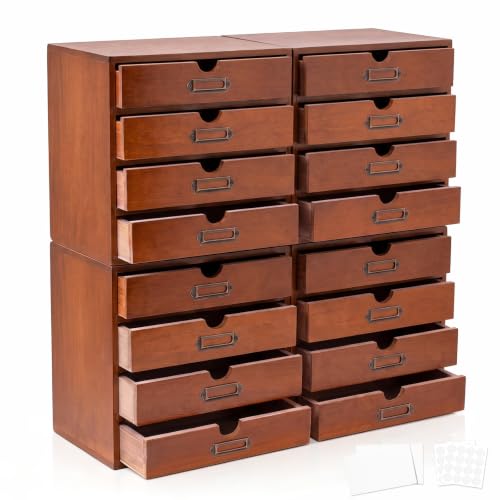
Vintage Apothecary Cabinet for Sale: A Complete Buyer's Guide
Everything you need to know before choosing a characterful, multi-drawer cabinet for your home — from drawer construction and finish options to the best rooms to place one.
Why a vintage apothecary cabinet? Originally built for pharmacies to store herbs, tinctures, and small supplies, these cabinets are defined by dozens of shallow drawers and a compact footprint. Today, they are among the most versatile storage pieces you can own: they organize jewelry in a bedroom, spices in a kitchen, and small tools in a craft room with equal ease. This guide explains what to examine, how to compare quality tiers, and how to pick the right cabinet for your space.
What Makes an Apothecary Cabinet Unique
Unlike a standard vintage chest of drawers with a few deep drawers, an apothecary cabinet is built around many small compartments. That design gives it a distinctive visual texture and a level of organization that few other furniture pieces match. The shallow drawers are ideal for items that would otherwise get lost in a deep dresser or clutter a countertop.
Many Shallow Drawers
Most apothecary cabinets have at least a dozen drawers, and larger examples exceed fifty. Shallow depths keep small items visible and accessible, which is the opposite of a deep dresser drawer where things pile up.
Compact Footprint
Because storage grows vertically rather than outward, these cabinets fit into narrow walls and corners. Many models are tall and slim, making them an excellent choice for small bedrooms and entryways.
Character and Provenance
Antique examples carry wear patterns, aged wood patina, and original hardware that newer furniture rarely replicates. Reproductions borrow the look while offering modern drawer slides and stability features.
Label-Holder Details
Original pharmacy cabinets often include brass or metal label holders on each drawer. These details are a signature of the style and add to the visual interest of the piece.
Quality Tiers: How to Compare Vintage Apothecary Cabinets
When shopping, it helps to compare cabinets by construction tier rather than by any single detail. The categories below describe relative position in the market and will not become outdated. Use them as a framework when evaluating any cabinet you find.
| Tier | Typical Construction | Best For |
|---|---|---|
| Entry-Level | Engineered wood with veneer, basic metal drawer glides, simplified drawer count | First-time buyers, rental spaces, decorative use |
| Mid-Range | Solid wood frame with mixed solid and engineered components, smoother slides, more drawers | Everyday storage in bedrooms and kitchens |
| Premium | Solid hardwood throughout, dovetail or pinned joinery, original or high-grade hardware | Long-term use, high-traffic rooms, collectible pieces |
| Luxury / Antique | Genuine antique or hand-built reproduction, hand-cut joinery, restored finish, historical provenance | Collectors, statement furniture, design-led interiors |
As a rule of thumb, mid-range models usually offer noticeably smoother drawer action than entry-level options, while premium and antique pieces add joinery quality and longevity that justify a longer-term investment. If you plan to use the cabinet daily, it is usually worthwhile to move up at least one tier from the entry-level category.
What to Check Before You Buy
- Drawer action: Open and close every drawer. They should glide without wobble or sticking. Sticking drawers are often a sign of swollen wood or misaligned runners.
- Joinery: Look at drawer corners. Dovetail joints are a strong indicator of durable construction; stapled or glued corners suggest a simpler build.
- Drawer bottoms: A solid or reinforced base will handle small heavy items without sagging over time.
- Interior dimensions: Measure the usable depth and height of a few drawers to confirm they fit what you plan to store, whether jewelry trays or spice jars.
- Finish condition: Minor patina adds character, but check for active cracking, water damage, or loose veneer that could worsen.
- Stability: Tall, narrow cabinets should sit flat and steady. Ask whether a wall-anchor kit is included, especially for households with children.
- Hardware: Original pulls and label holders add authenticity. Confirm that replacements or missing pieces are easy to source.
- Odor: Old cabinets sometimes carry lingering mustiness. Air them out before committing if the smell is strong.
Where to Use a Vintage Apothecary Cabinet
The shallow-drawer format makes these cabinets unusually adaptable. These are the placements that work best in practice:
Bedroom
Use it as a jewelry and accessory organizer alongside a vintage dresser and nightstand set. The small drawers keep rings, watches, and cufflinks separated without needing trays on top.
Kitchen
Shallow drawers are ideal for spices, tea bags, and small utensils. A slim cabinet can slot into an unused wall section without crowding the main prep area.
Bathroom
Toiletries, grooming tools, and first-aid supplies stay organized and within reach. Choose a cabinet with a sealed or painted finish in humid rooms.
Craft Room or Home Office
Buttons, beads, pens, and small tools fit neatly into individual drawers. Labels make the cabinet function like a built-in supply system.
Entryway
Keys, mail, sunglasses, and small seasonal items each get a drawer, which keeps surfaces clear and reduces clutter near the door.
Living Room
Use it as a conversation piece for remotes, chargers, games, and stationery. The unusual silhouette adds visual interest without taking up much floor space.
Antique vs. Reproduction: Which Should You Choose?
A genuine antique apothecary cabinet offers history, original materials, and a patina that cannot be manufactured. The trade-off is that antiques often need gentle handling and occasional restoration. A reproduction offers modern drawer slides, uniform sizing, and predictable stability, which suits daily use in busy households. If you love the look but want low maintenance, a premium reproduction is a sensible middle path. If you want a collectible piece and are prepared to care for it, an antique is the more rewarding choice.
For a broader look at period storage pieces, our guide to vintage drawers covers styles and materials across eras, and the antique chests guide explains how to evaluate age and condition in older furniture.
Care and Maintenance Basics
Dust regularly with a soft cloth and avoid harsh chemical cleaners on aged finishes. Keep the cabinet out of direct sunlight to slow fading, and maintain indoor humidity at a moderate level to reduce wood movement. If drawers begin to stick, a light application of paraffin wax on the runners usually restores smooth movement. For painted or refinished pieces, a gentle water-based cleaner is safer than solvent-based products. If you plan to update the look of an older cabinet, our guide to using chalk paint on furniture explains a finish method that suits vintage wood well.
Frequently Asked Questions
What is a vintage apothecary cabinet?
A vintage apothecary cabinet is a multi-drawer storage piece originally designed to hold medicines, herbs, and small supplies in old pharmacies. Today, these cabinets are prized as characterful storage furniture for bedrooms, bathrooms, kitchens, and living spaces.
How many drawers does a typical apothecary cabinet have?
Traditional apothecary cabinets can have anywhere from a dozen small drawers to well over fifty. Modern reproductions often simplify this to twelve to thirty drawers, while true antiques may have many more small compartments.
Where can I use a vintage apothecary cabinet in my home?
Popular placements include bedrooms as a jewelry or accessory chest, bathrooms for toiletries, kitchens for spices and small tools, entryways for keys and mail, and craft rooms for supplies. Its shallow drawers make it exceptionally versatile.
Is an antique apothecary cabinet practical for daily use?
Yes, with care. Antiques need gentle handling and moderate humidity, but their drawers are perfectly usable. If you want zero maintenance, a premium reproduction with modern slides is the more practical route.
Ready to Find Your Cabinet?
Browse the recommended apothecary-style cabinets below, compare construction tiers, and choose the piece that fits your space and storage needs.