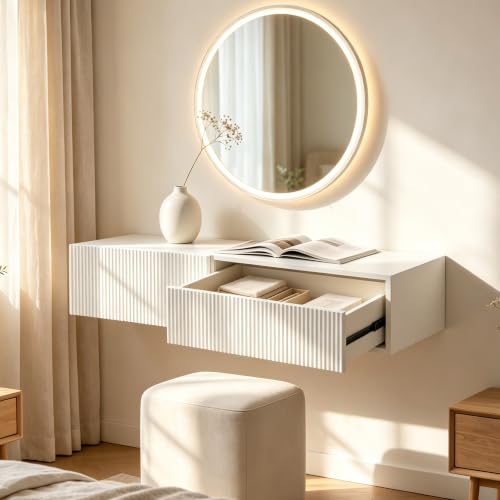
Wall Mounted Dresser: Smart Space-Saving Storage
Discover how a floating dresser can transform a compact bedroom, closet, or studio. Learn about wall-mounted drawer units, installation essentials, and how to choose the right design for your space.
Explore Buying TipsA wall mounted dresser is a drawer storage unit fixed directly to the wall instead of resting on the floor. Often called a floating dresser or floating drawer unit, it has become a popular solution for small bedrooms, narrow closets, studio apartments, and modern interiors where floor space is limited. By lifting storage off the ground, a wall-mounted dresser creates a cleaner visual line, makes the room feel larger, and keeps the area beneath easy to clean.
If you are researching this category, you likely already know you want wall-mounted storage and now need the details: how these units are built, what to check before buying, how they are installed, and which design fits your room. This guide walks you through everything in plain language so you can make a confident decision.
What Is a Wall Mounted Dresser?
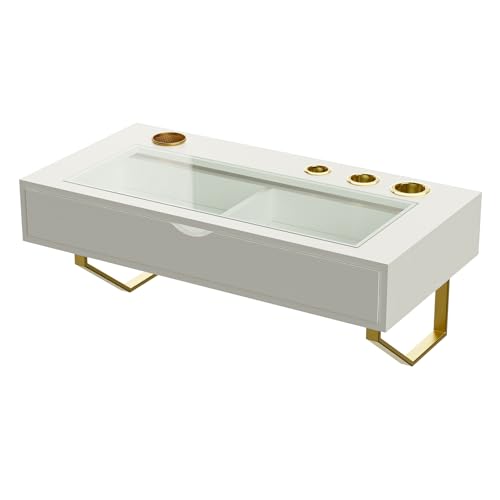
A wall mounted dresser is a chest of drawers designed to be anchored to the wall with no legs or base touching the floor. The structure is typically a rectangular drawer bank, often with two to five drawers, mounted at a comfortable height. Some models are open underneath, while others include a slim backing rail or French cleat system that distributes weight across the wall.
Unlike a standard freestanding unit, the wall-mounted version relies on the wall structure for support. That means the wall type, stud placement, and anchoring hardware are just as important as the dresser itself. Many modern floating dressers are built from engineered wood with a durable veneer, while premium models use solid wood construction for long-term stability. If material quality matters to you, our guide on solid wood vs engineered construction explains the trade-offs clearly.
Key Benefits of Floating Dressers
Wall-mounted storage is not just a trend. It solves real problems in compact rooms and adds a modern look that freestanding furniture cannot match.
- Frees up floor space: With no footprint on the floor, the room feels more open and is easier to walk through, especially in narrow bedrooms.
- Makes small rooms feel bigger: Visible floor area below the unit creates a sense of depth, which is why designers often recommend floating furniture for compact spaces.
- Easy floor cleaning: Vacuuming and mopping under the unit is simple because there are no legs or base to work around.
- Flexible placement: You can mount the dresser at a height that suits your reach and room layout, rather than being limited by standard furniture dimensions.
- Modern aesthetic: Floating drawer units deliver a clean, minimal look that pairs well with contemporary and Scandinavian interiors.
- Useful in closets and alcoves: A wall-mounted unit can fit into a closet, hallway nook, or under a sloped ceiling where a standard dresser would not.
Editorial note: Wall-mounted dressers are a great fit for small bedrooms and apartments. If you are also comparing compact freestanding options, our guides on small space dressers and small dressers for sale cover alternative layouts and sizing considerations.
Types of Wall-Mounted Drawer Units
Wall-mounted dressers come in several formats. The right choice depends on how much you need to store and where the unit will be mounted.
| Type | Best For | Key Consideration |
|---|---|---|
| Compact two-drawer floating unit | Small bedrooms, closets, entryways | Light load, simple wall anchoring |
| Three-drawer wall dresser | Bedrooms, guest rooms, studios | Balanced storage and wall weight |
| Four-drawer floating dresser | Primary bedrooms, larger closets | Requires solid stud mounting |
| Wall-mounted drawer organizer | Closets, laundry rooms, craft spaces | Modular, often stackable |
| Floating dresser with open shelf | Entryways, living rooms, hallways | Mixed storage for display and drawers |
Buying Checklist for a Wall Mounted Dresser
Before you choose a model, run through these practical checks. They will save you from common mistakes like buying a unit that does not fit the wall or is not rated for the load you need.
- Measure the wall area: Confirm width, height, and available depth. Leave clearance for doors, windows, and adjacent furniture.
- Identify wall type: Drywall with wood studs, masonry, or plaster. The mounting method changes depending on the wall.
- Check the weight rating: Look for the manufacturer's stated load capacity and do not exceed it. Drawers full of clothing can become heavy quickly.
- Review the mounting system: French cleat, metal bracket, or direct screw fixing. A robust system is a sign of quality.
- Consider drawer mechanism: Smooth-glide runners and soft-close hardware are typical of mid-range and premium models. Entry-level units often use simpler slides.
- Match your room style: A floating dresser should complement the bedroom's design. Neutral finishes work widely, while bold colors become a focal point.
- Plan for installation: Decide whether you will install it yourself or hire a professional. Heavy units are safer with expert mounting.
For a broader view of how wall-mounted storage compares with freestanding pieces, our complete dresser buying guide covers sizing, drawer counts, and room planning in more detail.
Ready to Compare Wall-Mounted Options?
Browse curated floating dressers and wall-mounted drawer units selected for compact bedrooms, closets, and modern interiors.
View Recommended UnitsInstallation and Safety
Safety is the single most important factor with a wall mounted dresser. Because the unit is suspended, every screw and anchor must carry its share of the load. Follow these principles:
- Anchor into studs whenever possible: Wood studs provide the strongest hold. Use a stud finder and mark the centers before drilling.
- Use rated anchors for masonry: Brick and concrete walls need appropriate masonry anchors, not standard drywall plugs.
- Follow the manufacturer's template: Most floating dressers include a drilling template or cleat. Use it exactly as specified.
- Do not overload drawers: Distribute weight evenly and avoid packing heavy items into a single drawer.
- Check periodically: Re-tighten screws and inspect the mounting points every few months, especially in humid rooms.
If you are not confident locating studs or working with masonry, professional installation is the safer route. A correctly installed floating dresser is stable and long-lasting; a poorly installed one can fail without warning.
Best Rooms and Spaces for a Wall Mounted Dresser
Wall-mounted drawer units work in more places than you might expect. Here are the most common and effective applications:
- Small bedrooms: Mounting storage on the wall frees floor area for a bed and circulation. Pair it with a small white dresser alternative for a lighter look, or use the floating unit as the primary storage.
- Closets: A wall-mounted dresser inside a walk-in closet keeps folded clothing accessible and leaves the floor clear. Our guide on small chest of drawers for closet covers sizing for tight spaces.
- Studio apartments: Floating storage helps define zones without adding bulk.
- Entryways and hallways: A shallow wall-mounted drawer unit with an open shelf works well for keys, mail, and small items.
- Nurseries: Wall-mounted storage can supplement a changing area, though always follow safety guidance for children's rooms.
For living areas, a floating dresser can double as a media console or sideboard. See our ideas for a small chest of drawers for living room if you want multi-purpose storage outside the bedroom.
Materials and Finishes
The material affects durability, weight, and appearance. Common options include:
- Engineered wood with veneer: Stable, consistent, and widely available. Mid-range and premium models often use thicker boards and better edge banding.
- Solid wood: Durable and repairable, with natural grain variation. Solid wood units are heavier, so mounting must be especially secure. Explore our solid wood chests guide for construction details.
- Metal frames with wood drawers: A modern industrial look, often used in modular wall-mounted organizers.
- Lacquered or painted finishes: Popular in white, grey, and black. A small grey dresser for bedroom style translates well to floating units.
Finish choice should match the room's palette and lighting. Matte finishes hide fingerprints better, while gloss finishes reflect light and can make a small room feel brighter.
Care and Maintenance
A wall-mounted dresser needs little maintenance, but a few habits keep it looking good and functioning smoothly:
- Dust drawer fronts and the top surface regularly with a soft cloth.
- Wipe spills promptly to prevent moisture damage to veneer or wood.
- Check drawer runners and lubricate if they begin to stick.
- Inspect the wall mounting every few months and re-tighten hardware as needed.
- Avoid placing heavy items on top of the unit unless the manufacturer approves it.
Frequently Asked Questions
What is a wall mounted dresser?
A wall mounted dresser is a drawer storage unit fixed directly to the wall without floor contact. It is also called a floating dresser or floating drawer unit and is popular in small bedrooms, closets, and modern interiors.
Is a wall mounted dresser safe?
Yes, when installed correctly. A wall mounted dresser must be anchored into wall studs or suitable heavy-duty wall anchors and should not exceed the manufacturer's weight rating. Proper installation is essential for safety.
How much weight can a floating dresser hold?
Weight capacity varies by model and installation. Many floating drawer units support a moderate load when fixed to studs, but always follow the manufacturer's stated limits and use appropriate mounting hardware.
Can a wall mounted dresser be used in a small bedroom?
Yes. Wall mounted dressers are especially useful in small bedrooms because they free up floor space, create a visual sense of openness, and allow storage to be positioned at a comfortable height.
Do wall mounted dressers require professional installation?
Not always, but professional installation is recommended for heavy units or when wall studs are difficult to locate. Correct anchoring is critical for safety and long-term stability.
Are wall mounted dressers suitable for renters?
They can be, but renters should consider the wall damage from mounting. Removable adhesive solutions are not suitable for heavy drawer units. Always check your lease and consider a freestanding alternative if drilling is not permitted.
Can I mount a dresser on drywall without studs?
Only with heavy-duty toggle anchors rated for the load, and even then, stud mounting is strongly preferred. For a drawer unit that will hold clothing, anchoring to studs is the safer approach.
How do I style a floating dresser?
Keep the top surface light: a small lamp, a plant, a mirror, or a tray for everyday items. Because the unit floats, a minimalist arrangement preserves the airy effect. Our dresser styling tips offer more ideas.
Final Thoughts
A wall mounted dresser is an efficient, modern storage solution for rooms where floor space is at a premium. The key to a successful purchase is careful planning: measure the wall, confirm the wall type, check the weight rating, and install the unit securely. When chosen and mounted correctly, a floating dresser delivers years of practical storage and a clean, uncluttered look.
If you are still exploring alternatives, our guides on vertical dressers, wide dressers, and tall narrow dressers with drawers can help you compare layouts. And if you want a complete overview of the category, start with our dresser buying guide.