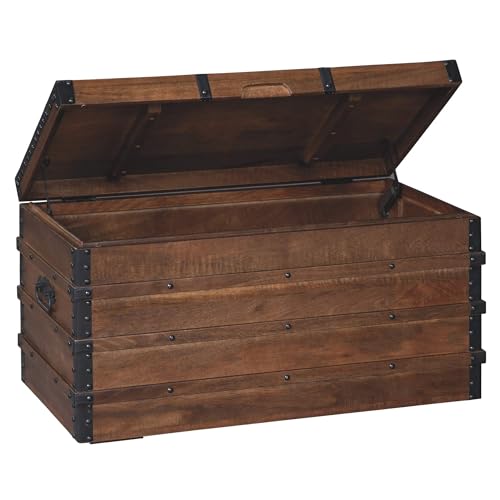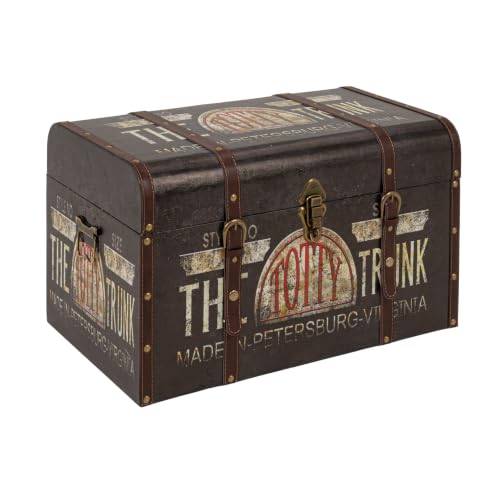
Vintage Wooden Trunk Buying Guide
Discover timeless storage solutions with our complete guide to vintage wooden trunks — from history and styles to restoration and selection tips.
Shop Vintage TrunksA vintage wooden trunk is more than just a storage piece — it's a statement of history, craftsmanship, and enduring style. Whether you're a collector, an interior design enthusiast, or simply looking for a unique way to store blankets, heirlooms, or seasonal items, a wooden trunk offers unmatched character and utility.
In this comprehensive guide, we'll explore the different types of vintage trunks, what to look for when buying one, how to restore and maintain them, and how to incorporate them into your home decor. By the end, you'll have all the knowledge you need to make a confident purchase.
Why Choose a Vintage Wooden Trunk?
🪵 Authentic Craftsmanship
Handcrafted from solid hardwoods like oak, walnut, and mahogany, with dovetail joints and brass hardware that stand the test of time.
📦 Versatile Storage
Ideal for blankets, linens, books, toys, or as a unique coffee table. Use it anywhere — bedroom, living room, or entryway.
🎨 Timeless Aesthetic
From steamer trunks to blanket chests, each piece tells a story. Vintage trunks add warmth, texture, and a focal point to any room.
♻️ Sustainable Choice
Buying vintage reduces demand for new furniture and gives a second life to a beautifully crafted piece of history.
Types of Vintage Wooden Trunks
Understanding the different styles will help you choose the right trunk for your needs:
- Steamer Trunks: Originally designed for ocean travel, these are large, dome-topped, and often feature metal bands and corner brackets. They offer generous storage and a rugged, adventurous look.
- Blanket Chests: Also known as hope chests or cedar chests, these are typically rectangular, flat-topped, and made from aromatic cedar to protect fabrics from moths. They're perfect for storing quilts and seasonal clothing.
- Campaign Chests: Military-inspired trunks with recessed handles and brass corners. They are compact, highly durable, and often have a more refined, boxy appearance.
- Tool Chests: Smaller, multi-drawer chests originally used for tools. Today, they make excellent jewelry boxes, desk organizers, or collectible display cases.
- Monks' Bench Trunks: A hybrid piece that serves as both a chest and a bench. Great for entryways or the foot of a bed.
Each type has its own charm, and the best choice depends on your storage needs, available space, and personal aesthetic. For a versatile option that pairs well with modern interiors, consider a vintage lingerie chest or a classic wooden chest trunk that complements your existing furniture.
What to Look for When Buying
When shopping for a vintage wooden trunk, whether online or in an antique shop, keep these key factors in mind:
- Wood Condition: Check for cracks, warping, or water damage. Solid wood can be restored, but severe damage may be costly to repair.
- Hardware: Look for original brass or iron handles, hinges, and locks. Tarnished hardware can be polished, but missing parts may be hard to replace.
- Interior Lining: Many trunks have fabric or paper linings. While not essential, an intact lining adds value and charm.
- Smell: Musty odors can indicate mildew. Cedar trunks may have a strong, pleasant scent — this is normal and actually helps repel pests.
- Provenance: A trunk with a known history or maker's mark can be more valuable and collectible.
💡 Pro Tip: If you're looking for a trunk that doubles as a coffee table, ensure the top is flat and sturdy. For a statement piece, a antique dresser table or a treasure chest can also serve as a unique storage solution with a similar vintage appeal.
Restoration & Care Tips
Restoring a vintage trunk can be a rewarding DIY project. Here's how to bring an old trunk back to life:
- Cleaning: Start with a gentle cleaner and a soft cloth. Avoid harsh chemicals that can strip the finish. A mixture of mild soap and water is usually safe.
- Removing Odors: Sprinkle baking soda inside and leave it for 24–48 hours, then vacuum. For stubborn smells, place a bowl of activated charcoal inside for a week.
- Repairing Wood: Fill minor scratches with wood filler or a stain pen. For deeper cracks, consult a professional furniture restorer.
- Polishing Hardware: Use a brass or metal polish to restore handles and hinges to their original shine.
- Refinishing: If the finish is badly worn, you can sand down the trunk and apply a new coat of linseed oil or varnish. Test on a small area first.
Regular dusting and occasional polishing with beeswax will keep your trunk looking beautiful for generations. For more restoration inspiration, explore our guides on repainting painted furniture and painting with a paint sprayer — techniques that can also be applied to trunk restoration.
Styling Your Vintage Trunk
A vintage trunk can be styled in countless ways to enhance your interior:
- Bedroom: Place it at the foot of the bed for extra storage and a rustic accent. Top it with a tray, a vase, or a stack of books.
- Living Room: Use it as a coffee table with a tray on top for drinks. Inside, store blankets, board games, or remote controls.
- Entryway: A trunk by the door offers a place to sit while putting on shoes and hidden storage for scarves, gloves, or umbrellas.
- Nursery: A safe, stylish option for storing toys or baby blankets. Ensure the lid has a safety hinge to prevent it from slamming.
- Office: Use a smaller trunk as a filing cabinet or side table. It adds character and a touch of history to a modern workspace.
For more creative ideas, check out our articles on decorating a dresser top and dresser decor ideas — many of these styling principles apply equally to trunks.
Frequently Asked Questions
Q: Are vintage wooden trunks expensive?
Prices vary widely based on age, condition, and style. A small blanket chest might cost $200–$500, while a large, ornate steamer trunk can range from $800 to over $2,500. We'll show you the current market options below.
Q: How do I know if a trunk is authentic vintage?
Look for signs of age like hand-cut dovetails, uneven nail patterns, and patina on hardware. Maker's marks or labels can also help date the piece.
Q: Can I use a vintage trunk for everyday storage?
Absolutely. Ensure the hinges and locks are functional, and the wood is sturdy. For fragile items, consider adding a modern liner or dividers.
If you're still unsure which trunk is right for you, take a look at our curated selection below. Each product has been chosen for its quality, style, and value — and we've included links to help you purchase with confidence.