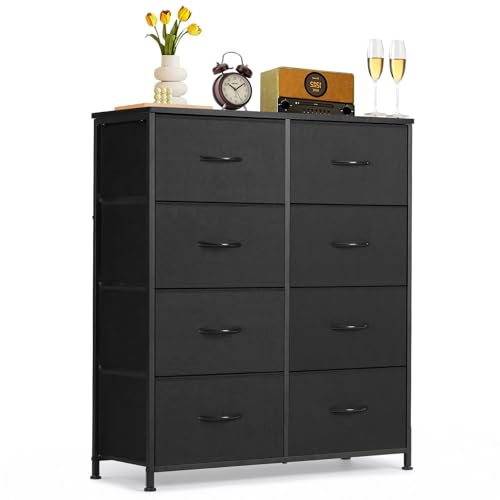
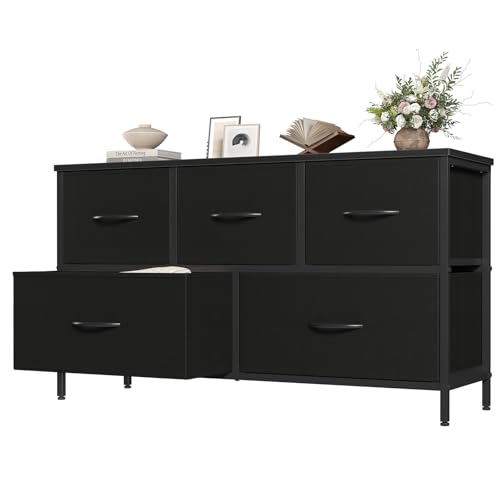
Dresser With Small Drawers On Top: The Complete Buying Guide
A dresser with small drawers on top combines generous clothing storage with a dedicated place for jewelry, accessories, and daily essentials. This guide explains the layouts, materials, and features that matter so you can choose with confidence.
What Is a Dresser With Small Drawers on Top?
A dresser with small drawers on top is a storage piece where the uppermost section is divided into several shallow, narrow drawers, while the lower section holds full-width drawers for clothing. The small top drawers are typically 4 to 8 inches deep — just enough for rings, watches, ties, belts, sunglasses, and other accessories that get lost in a large drawer.
This configuration is sometimes called a jewelry-top dresser, an accessory dresser, or a split-drawer dresser. The idea is simple: separate the small, fiddly items from the bulky ones so both stay organized. If you have ever dug through a deep drawer looking for a single pair of earrings, you already understand the appeal.
It is worth distinguishing this layout from related pieces. A dresser with lots of small drawers may devote nearly its entire face to shallow compartments, while a dresser with different size drawers mixes proportions more freely. The classic small-drawers-on-top design sits between the two: a familiar clothing dresser with an upgraded top section.
Why Choose a Dresser With Small Drawers on Top?
The layout solves a real problem. Most standard dressers treat every drawer the same, which forces you to store delicate items in the same space designed for sweaters. A split layout gives each category of possession its own zone.
- Better organization: Accessories stay separated from clothing, so nothing gets crushed or tangled.
- Faster mornings: Jewelry and daily essentials sit at eye level in the top drawers, right where you need them.
- Protection for valuables: Small drawers limit movement, which reduces scratches on watches and jewelry. Some models add a locking drawer for extra security.
- Efficient use of space: The shallow top section uses vertical space that would otherwise be wasted above deep clothing drawers.
- Versatility: The small drawers can hold office supplies, craft items, or bedside essentials depending on where the piece lives.
If your priority is purely clothing volume, a conventional dresser or a dresser with extra large drawers may serve you better. But if you want one piece to handle both clothing and accessories, the small-top-drawer layout is hard to beat.
Common Drawer Configurations
Manufacturers arrange the small top drawers in several ways. Knowing the options helps you match the piece to your habits.
Split Top Row (Two Small Drawers)
The most common arrangement: two side-by-side shallow drawers across the top, with wider drawers below. It offers a natural left/right division — one side for jewelry, the other for watches and cufflinks, for example.
Center Stack
A narrow column of small drawers runs down the middle, flanked by wider drawers. This works well in dressers with drawers on both sides and gives you a vertical run of accessory storage.
Full Top Row of Small Drawers
Three or four shallow drawers span the full width. This is the most generous accessory configuration and suits people with extensive jewelry or hobby collections. It overlaps with the dresser with many small drawers category.
Small Drawers Plus a Flip-Top or Jewelry Insert
Some designs hide a felt-lined jewelry tray or a lift-up mirror compartment above the small drawers. These hybrid pieces blur the line between a dresser and a dresser vanity combo.
| Configuration | Best For | Typical Tier |
|---|---|---|
| Two small drawers, split top row | Everyday jewelry, watches, sunglasses | Entry-level to mid-range |
| Center stack of small drawers | Accessories plus clothing in a compact footprint | Mid-range |
| Full top row of small drawers | Large jewelry or hobby collections | Mid-range to premium |
| Small drawers with jewelry insert or flip top | Valuables, heirlooms, daily wear | Premium to luxury |
Sizes and Proportions
The small drawers themselves are usually 12 to 24 inches wide, 4 to 8 inches deep, and 3 to 6 inches tall. The overall dresser typically ranges from 30 to 72 inches wide, 30 to 40 inches tall, and 16 to 20 inches deep. Proportion matters: top drawers that are too shallow will not hold a watch box, while ones that are too deep defeat the purpose of quick access.
Measure your space before shopping. A standard bedroom can usually accommodate a piece 48 to 60 inches wide, while a compact room may need something closer to dressers less than 30 inches wide. Taller pieces work well in narrow rooms, and a dresser that fits in a closet can free up floor space entirely.
Height also affects usability. The top of a dresser should sit around 30 to 36 inches from the floor so you can see into the small drawers without bending awkwardly. If you plan to use the top surface for display, a dresser with shelves on top or a dresser with hutch may be worth considering instead.
Materials and Construction
The materials determine how the piece ages, how smoothly the small drawers operate, and how well it handles daily use.
Solid Wood
Oak, maple, walnut, and pine are common. Solid wood frames resist sagging and hold screws firmly over decades. Drawer boxes should be dovetailed for strength — stapled or glued boxes are a warning sign. A solid wood piece is generally a long-term investment, especially in the premium and luxury tiers.
Engineered Wood and MDF
Engineered wood offers a stable, uniform surface and is common in entry-level and mid-range pieces. Quality varies widely: look for CARB-compliant boards and reinforced drawer bottoms. Small drawers in engineered wood can sag if overloaded, so check the weight rating.
Metal and Mixed Materials
Steel frames with wood or glass fronts appear in modern designs. Metal construction is heavy-duty and resists warping, though it can feel cold in a bedroom setting. A dresser with frosted glass drawers can look striking while keeping contents visible but protected.
Hardware and Glides
Small drawers benefit from smooth glides because they are opened frequently. Metal ball-bearing slides outperform wood-on-wood runners. Soft-close mechanisms reduce noise and wear. If the piece has full extension drawers, you can see and reach the back of every compartment — a genuine advantage for accessory storage.
Styles and Finishes
The small-drawers-on-top layout appears across nearly every design tradition, so you can match your existing decor.
- Traditional and French Provincial: Curved fronts, decorative hardware, and painted or distressed finishes. Small drawers often feature ornate pulls.
- Mid-Century Modern: Clean lines, tapered legs, and warm wood tones. Small drawers align in crisp horizontal rows.
- Farmhouse and Rustic: Reclaimed wood, barn-door accents, and natural finishes. Small drawers may sit behind a sliding panel.
- Modern and Minimalist: Handleless fronts, matte finishes, and precise symmetry. Small drawers often disappear into a seamless facade.
Hardware can transform the look. Brass and gold pulls add warmth, while black hardware reads as contemporary. You can find dedicated guides on dressers with gold handles and dressers with gold hardware if you want to lean into a particular finish.
For a broader overview of design directions, see the dresser style guide and the full dresser styles collection.
Features Worth Looking For
Beyond the basic layout, certain features make a dresser with small drawers on top noticeably more useful.
Felt-Lined Drawers
A soft lining protects jewelry, watches, and delicate items from scratches. Some pieces include a built-in jewelry box or a hidden jewelry drawer for added security.
Drawer Dividers and Organizers
Removable dividers keep small items in place. If the piece does not include them, a dresser top organizer with drawers can supplement the built-in storage.
Lighting
Interior LED strips make it easy to find items in low light. A dresser with LED lights or a dresser with lights adds both function and ambiance.
Mirror Options
If you want a full dressing setup, a dresser with mirror and drawers or a dresser with full length mirror pairs well with small top drawers. A dresser top mirror with drawers adds a compact vanity element without a separate piece.
Locking Drawers
For valuables or medications, a dresser with locking drawers provides peace of mind, especially in shared or family spaces.
Versatile Placement
The layout works in more than bedrooms. A dresser TV stand combo or a dresser that doubles as a desk can use the small drawers for media accessories or office supplies. For nurseries, a dresser with changing pad on top keeps diapers and wipes in the small drawers within arm's reach.
How to Choose the Right Piece
Work through these questions before you buy. They will narrow the field quickly.
1. What Will the Small Drawers Hold?
Jewelry and watches need felt lining and shallow depth. Office supplies need wider, deeper compartments. Hobby items may need removable trays. Match the drawer dimensions to the items, not the other way around.
2. How Much Clothing Storage Do You Need?
Count the full-size drawers below the small top section. A piece with two small drawers and four large drawers suits a single adult; couples may want six or more large drawers. If you need maximum clothing capacity, a dresser with lots of storage or a dresser that holds a lot of clothes is the better fit.
3. Where Will It Live?
Bedroom, closet, nursery, or living room all impose different constraints. A dresser for small spaces may need a tall, narrow profile, while a primary bedroom can handle a wide lowboy.
4. What Is Your Quality Tier?
Entry-level pieces use engineered wood and basic slides; they suit guest rooms and temporary setups. Mid-range pieces add solid wood fronts and better hardware. Premium and luxury tiers offer dovetailed solid wood construction, felt-lined drawers, soft-close glides, and refined finishes. Choose the tier that matches how long you intend to keep the piece.
5. Do You Need Assembly?
Many flat-pack dressers require assembly. If that is a dealbreaker, look for dressers that don't require assembly or dressers for sale already assembled.
Care and Organization Tips
A dresser with small drawers on top rewards a little maintenance and a sensible organizing system.
- Keep small drawers light: Overloading shallow drawers strains glides and causes sagging. Store heavy items in the lower drawers.
- Use dividers: A simple velvet or felt divider tray keeps rings and earrings from migrating.
- Dust the top regularly: Small drawers sit closest to the surface where dust settles. A microfiber cloth once a week is enough.
- Check hardware: Tighten pulls and knobs every few months; loose hardware is the most common cause of drawer damage.
- Rotate seasonal items: Move off-season accessories to lower drawers or storage bins to keep the top drawers efficient.
For a deeper system, see the dresser organization guide and the drawer organization ideas collection.
Frequently Asked Questions
What are the small drawers on top of a dresser called?
They are usually called accessory drawers, jewelry drawers, or top drawers. In the furniture trade, the split layout is sometimes described as a "split-top" or "jewelry-top" dresser.
Are small top drawers strong enough for heavy items?
Generally no. Shallow drawers are designed for light items. Use them for jewelry, accessories, and small electronics, and keep heavier items in the full-size drawers below.
Can I add small drawers to an existing dresser?
It is possible with a custom insert or a removable organizer tray, but it is not a simple retrofit. A dresser top organizer with drawers is a practical alternative that adds accessory storage without modifying the piece.
Is a dresser with small drawers on top good for a nursery?
Yes, especially if it includes a changing top. Small drawers keep diapers, wipes, and ointments within reach. See our guide to a dresser with changing pad on top for safety details.
How deep should the small top drawers be?
Four to eight inches is the sweet spot. Shallower drawers suit jewelry; deeper ones work for accessories like scarves or electronics. Anything beyond eight inches starts to defeat the purpose of quick access.
What is the difference between this and a dresser with lots of small drawers?
A dresser with small drawers on top keeps the small compartments in the top section only, with large drawers below. A dresser with lots of small drawers may devote most of its face to shallow compartments, which suits hobbyists or collectors but offers less clothing storage.
Ready to Explore Your Options?
Browse curated dressers with small drawers on top and compare features side by side.
Explore Dressers and Chests