
Dresser: The Complete Guide to Choosing the Right Storage for Your Bedroom
From style and size to materials and organization, learn everything you need to know before investing in a dresser that fits your space, your wardrobe, and your life.
START LEARNINGWhy a Dresser Matters: A dresser is more than a piece of furniture — it is the backbone of bedroom organization. The right dresser keeps your clothing accessible, protects your garments, and anchors your room's design. The wrong one wastes space, frustrates your daily routine, and becomes a source of clutter. This guide walks you through every decision so you can choose with confidence.
What Is a Dresser and Why Does It Matter?
A dresser is a piece of bedroom furniture featuring multiple horizontal drawers used for storing clothing, accessories, and personal items. Typically wider than it is tall, a dresser often serves as a surface for decorative items, a mirror, or a television. It differs from a chest of drawers primarily in proportion — a chest is taller and narrower, while a dresser is lower and broader. Understanding this distinction helps you choose the right piece for your floor plan.
Beyond storage, a dresser contributes to the visual balance of a bedroom. It provides a horizontal anchor that complements the vertical presence of a bed and wardrobe. The right dresser can make a small room feel intentional and a large room feel cohesive. For a deeper comparison of storage furniture types, explore our guide on dresser versus armoire and dresser versus wardrobe.
Types of Dressers: Find Your Perfect Match
Dressers come in many configurations, each suited to different spaces and storage needs. Understanding the available dresser types is the first step toward a smart purchase.
Standard Dresser
The most common configuration, typically 4 to 6 drawers wide and 30 to 40 inches tall. It balances storage capacity with a usable top surface. Ideal for master bedrooms and guest rooms where floor space is moderate.
Tall Chest of Drawers
Vertically stacked drawers that maximize storage in a narrow footprint. A dresser with lots of drawers in a tall format works well in small bedrooms, closets, or beside a bed as a secondary storage piece.
Wide Dresser
A low, broad dresser that provides extensive drawer space along a wall. Often paired with a mirror or used as a media console. A dresser TV stand combination is a popular choice for bedrooms that double as entertainment spaces.
Small Dresser
Compact models designed for tight spaces — apartments, dorm rooms, or small guest bedrooms. A dresser for small spaces often features 3 drawers and a narrow profile without sacrificing essential storage.
Dresser with Mirror
A classic bedroom combination that adds functionality and visual height. A dresser with mirror and drawers creates a dedicated grooming station while keeping clothing storage close at hand.
Specialty Dressers
From dressers with jewelry storage to changing table dressers for nurseries, specialty configurations solve specific organizational challenges with built-in features.
Dresser Styles: Match Your Bedroom Aesthetic
Your dresser should feel like it belongs in your room. Style influences not only appearance but also the materials and construction techniques used. Our dresser style guide breaks down the major design movements, but here is a quick overview of the most popular options.
Modern and Contemporary
Clean lines, minimal ornamentation, and often a mix of materials such as wood, metal, and glass. Modern dressers favor handleless drawers or sleek bar pulls. They suit urban apartments and minimalist bedrooms. A dresser with gold handles can add a touch of warmth to an otherwise monochromatic modern scheme.
Traditional and Classic
Ornate details, curved profiles, and rich wood finishes define traditional dressers. These pieces often feature decorative hardware and molding. They work well in bedrooms with classic architecture and layered textiles. An elegant dresser in a traditional style can become a focal point that elevates the entire room.
Farmhouse and Rustic
Weathered finishes, planked wood, and simple hardware characterize farmhouse dressers. They bring warmth and texture to bedrooms and pair well with natural materials. A rustic dresser often features visible wood grain and a sturdy, grounded presence.
Mid-Century Modern
Tapered legs, clean horizontal lines, and a mix of wood tones define mid-century dressers. They are functional, stylish, and work in both vintage-inspired and contemporary interiors. The low profile of many mid-century designs makes them ideal for rooms with low windows or sloped ceilings.
Industrial and Metal
Metal frames, exposed rivets, and reclaimed wood surfaces give industrial dressers a distinct character. They suit loft apartments and bedrooms with an urban edge. Metal dressers are often durable and provide a strong visual contrast against softer bedroom textiles.
How to Choose the Right Dresser Size
Size is the most practical consideration when buying a dresser. A piece that is too large will crowd your room and impede movement; one that is too small will leave you short on storage. Follow these guidelines to find the right fit.
Measure Your Space First
Before shopping, measure the wall where you plan to place the dresser. Account for baseboards, outlets, and any furniture nearby. Leave at least 24 to 30 inches of clearance in front of the dresser so drawers can open fully and you can move comfortably. If the dresser will sit beside a bed, ensure there is enough space for a nightstand or a clear path to the bathroom or closet.
Match Height to Your Bed
A dresser that is roughly the same height as your mattress or slightly taller creates visual balance. If the dresser is significantly taller than the bed, it may dominate the room. If it is much lower, it can make the bed feel oversized. For a cohesive look, consider a dresser with matching nightstands to create a unified bedroom set.
Consider Drawer Count and Configuration
The number and size of drawers determine how well the dresser will meet your storage needs. A dresser with different size drawers offers flexibility — deep drawers for bulky items, shallow drawers for accessories. If you need extensive storage in a compact footprint, a dresser with lots of small drawers maximizes organization without requiring a wide wall.
| Dresser Size | Typical Width | Best For | Storage Tier |
|---|---|---|---|
| Small / Compact | Under 40 inches | Apartments, dorm rooms, guest bedrooms | Essential tier |
| Standard | 40 to 60 inches | Master bedrooms, single occupants | Balanced tier |
| Wide / Large | 60 to 80 inches | Couples, large bedrooms, media setups | Top-tier storage |
| Extra-Wide | Over 80 inches | Luxury suites, shared bedrooms, multi-purpose rooms | Flagship tier |
Dresser Materials: Durability, Style, and Longevity
The material of your dresser affects its durability, maintenance requirements, and visual appeal. Here is what to know about the most common options.
Solid Wood
Oak, maple, walnut, and mahogany offer exceptional durability and can be refinished over time. Solid wood dressers are a long-term investment that develops character with age. They are heavier and typically found in the premium and luxury tiers.
Engineered Wood with Veneer
Plywood or MDF cores with wood veneer provide stability and a consistent appearance at a more accessible position in the market. Quality veneers can mimic solid wood convincingly and resist warping in humid climates.
Laminate and Particleboard
Common in starter-tier furniture, these materials are lightweight and easy to maintain. They work well for temporary setups or low-traffic rooms but may not withstand years of heavy use.
Metal, Rattan, and Bamboo
Metal dressers offer industrial durability. Rattan and bamboo provide lighter, eco-friendly alternatives with a natural aesthetic. Each material suits a specific design style and environmental condition.
For a deeper dive into wood types and finishes, explore our solid wood dresser guide and consider how full extension drawers improve accessibility and durability in daily use.
Features That Elevate a Dresser from Basic to Brilliant
The best dresser for your home is not just about size and style — it is about the details that make daily use effortless. Look for these features when evaluating options.
Drawer Glides and Mechanisms
Full-extension drawer glides allow you to access the entire drawer, not just the front half. Soft-close mechanisms prevent slamming and protect the drawer structure. Mid-range and premium dressers typically offer smoother, more durable glide systems than entry-level models.
Interior Drawer Features
Felt-lined top drawers protect delicate items and jewelry. A dresser with built-in jewelry box keeps valuables organized and secure. Some models include LED lighting inside drawers for easy visibility in low-light bedrooms.
Security and Safety
A dresser with locking drawers provides a secure place for sensitive documents or personal items. For households with children, anti-tip straps are essential regardless of the dresser you choose.
Versatility and Multi-Functionality
Modern dressers often incorporate features that extend their utility. A dresser TV stand combo eliminates the need for separate media furniture. A dresser that doubles as a desk is ideal for work-from-home setups in smaller homes. For nursery use, a dresser with a changing pad on top combines clothing storage with diaper-changing functionality.
How to Organize Your Dresser for Maximum Efficiency
A well-organized dresser saves time and reduces daily friction. These principles apply regardless of your dresser's size or configuration.
Assign Drawers by Category
Dedicate specific drawers to specific categories: undergarments in the top drawer, tops in the middle, and bulky items like sweaters in the bottom drawers. If you share a dresser, divide drawers by person or by clothing type. A dresser with drawers on both sides can create a natural division for two users.
Use Drawer Dividers and Organizers
Dividers keep folded clothing upright and visible. A dresser top organizer with drawers adds accessible storage for accessories, watches, and frequently used items without cluttering the main surface.
Fold Vertically
The vertical folding method — often associated with the KonMari approach — allows you to see every item at a glance. Instead of stacking clothes flat, fold them into neat rectangles and file them upright. This method works particularly well in dressers with large deep drawers where standard folding would create impenetrable stacks.
Rotate Seasonal Items
Store out-of-season clothing in under-bed bins or a closet, and keep only the current season's items in your dresser. This simple habit keeps your dresser from becoming overcrowded and makes your daily routine more efficient.
Where to Place Your Dresser: Layout Considerations
Placement affects both the functionality and visual balance of your bedroom. Consider these common configurations.
Against the Wall Opposite the Bed
This is the most traditional placement, creating a balanced visual axis. The dresser becomes a focal point when you enter the room. Pair it with a mirror or artwork above to complete the composition. For a seamless look, consider a dresser with mirror and nightstand set.
Beside the Bed as a Nightstand Alternative
A low dresser can serve as both a nightstand and a storage unit for one side of the bed. A dresser with mirror and nightstand combination is a practical solution for smaller bedrooms where floor space is at a premium. Compare this approach with our dresser versus nightstand analysis.
Inside or Adjacent to a Closet
If your bedroom lacks wall space, a dresser that fits in a closet can transform unused space into valuable storage. A dresser designed for closet placement often features a narrower depth to accommodate hanging rods and shelving.
Dresser vs. Other Bedroom Storage Solutions
A dresser is one of several storage options for a bedroom. Understanding how it compares to alternatives helps you make an informed decision.
| Storage Type | Best For | Pros | Considerations |
|---|---|---|---|
| Dresser | Folded clothing, accessories, daily essentials | Accessible, wide top surface, anchors room design | Requires wall space; may not suit hanging garments |
| Chest of Drawers | Compact storage in narrow spaces | Tall profile, small footprint | Less top surface; may feel imposing in small rooms |
| Armoire | Hanging clothes plus drawer storage | Combines wardrobe and dresser functions | Larger footprint; heavier; typically higher-tier |
| Wardrobe | Full hanging and shelving needs | Maximum storage capacity | Requires significant floor and wall space |
| Storage Bed | Bedding, off-season clothing | Utilizes under-bed space; no extra footprint | Less accessible for daily items; lifting required |
For a detailed comparison, read our guides on dresser vs. chest of drawers and dresser vs. wardrobe.
How to Evaluate Dresser Quality Without Getting Overwhelmed
Quality determines how long your dresser will last and how well it will function over time. Use this tier-based framework to understand what to expect at each level of the market.
Essential Construction
Particleboard or thin MDF with laminate finish. Basic metal glides. Suitable for guest rooms, dormitories, or temporary setups. May require assembly. Expect functional but not long-lasting construction.
Balanced Quality
Engineered wood with quality veneer. Upgraded drawer glides, often with soft-close. Dovetail or reinforced joints in key areas. A solid choice for primary bedrooms with daily use.
High-End Construction
Solid wood or high-grade plywood with thick veneer. Full-extension, soft-close glides. Dovetail joinery throughout. Felt-lined drawers and other refinements. A long-term investment piece.
Flagship Quality
Hand-selected hardwoods, traditional joinery techniques, custom hardware, and exceptional finishes. Often handcrafted or made to order. These pieces can last for generations and become heirlooms.
For more detailed criteria, read our full extension drawer guide and consider how extra-large drawers impact the structural requirements of a dresser.
Ready to Find Your Perfect Dresser?
You now understand the types, styles, sizes, and features that define a great dresser. Use this knowledge to evaluate options with confidence — whether you are furnishing a first apartment, upgrading a master bedroom, or creating a nursery.
EXPLORE SOLID WOOD OPTIONSFrequently Asked Questions About Dressers
What is the difference between a dresser and a chest of drawers?
A dresser is typically wider and lower, often designed to hold clothing in a bedroom and sometimes paired with a mirror. A chest of drawers is taller and narrower, with drawers stacked vertically, often used where floor space is limited. Both serve similar storage purposes but differ in proportions and placement. For a full comparison, read our dresser vs. chest of drawers guide.
How do I choose the right size dresser for my bedroom?
Measure your available wall space and leave at least 24 to 30 inches of clearance for walking and opening drawers. Consider the height relative to your bed and room proportions. A dresser that is too large can crowd the room, while one that is too small may not meet your storage needs. A dresser with lots of storage in a compact footprint is often the best solution for smaller rooms.
What materials are best for a dresser?
Solid wood dressers are durable and can be refinished over time. Engineered wood with quality veneers offers a stable and consistent alternative. Metal dressers provide a modern industrial look, while rattan and bamboo offer lighter, eco-friendly options. The best choice depends on your style, climate, and long-term maintenance preferences. Explore our solid wood dresser guide for more detail.
How many drawers should a dresser have?
The ideal drawer count depends on your storage needs. A 3-drawer dresser suits light use or small spaces. A 4 to 6-drawer dresser is standard for one or two people. A 9-drawer dresser or a dresser with many small drawers works well for couples or those with extensive wardrobes.
How do I organize a dresser effectively?
Use drawer dividers to separate categories, fold clothes vertically to see everything at a glance, and assign each drawer a specific purpose. Rotate seasonal clothing and keep frequently used items in the top drawers. A dresser top organizer with drawers can help manage accessories and small items. For more tips, see our hidden jewelry drawer guide for secure storage ideas.
Recommended Dressers and Storage Solutions
⚠️ AFFILIATE DISCLOSURE: This website contains affiliate links. As an Amazon Associate, we earn from qualifying purchases. If you make a purchase through these links, we may receive a small commission at no additional cost to you. Read our full affiliate policy.

8-Drawer Dresser for Bedroom, Anti-Tip Tall Storage Organizer | Chest of Drawers with Wooden Top and Metal Frame Fabric Bins for Closet, Living Room, Hallway, Entryway, Black
Check price on Amazon
OLIXIS 9 Drawer Black Dresser for Bedroom, Closet Organizer Storage Tower | Easy-Pull Chest of Fabric Drawers, Lightweight Clothes Organizer, Anti-Tip Design, Space-Saving Storage for Dorm, Apartments
Check price on Amazon
SONGMICS Dresser for Bedroom, Wide Dresser with 5 Fabric Drawers | Chest of Drawers with Steel Frame, for Closet & Entryway, Ink Black and Ebony Black, BELLAH Collection ULGS322B01S
Check price on Amazon
OLIXIS Black Dresser for Bedroom with 7 Fabric Drawers Storage Organizer | Wardrobe Closet for Clothes Storage, Steel Frame & Wooden Top, Cabinet Vertical Dresser for Living Room, Entryway Hallway
Check price on Amazon
OneBlis 6 Drawer Dresser with LED Lights & Charging Station, Modern Floating Black Dresser for Bedroom, Smart Storage Chest with 2 AC Outlets & USB Ports for Living Room, Closet, Entryway (Black)
Check price on Amazon
AODK Small Dresser for Bedroom with 4 Storage Drawers, Black | Dressers Chest of Drawers Fabric Dresser with Sturdy Steel Frame, Dressers for Closet with Wood Top
Check price on Amazon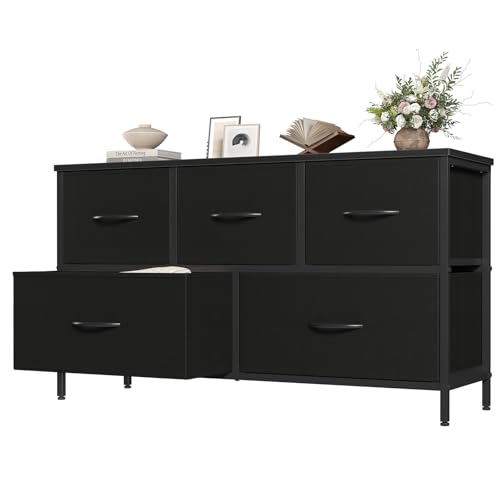
OLIXIS 5 Drawer Black Dresser for Bedroom, Closet Chest Organizer Furniture | TV Stand for Living Room Hallway, Wide Fabric Storage Tower with Wooden Top and Metal Frame
Check price on Amazon