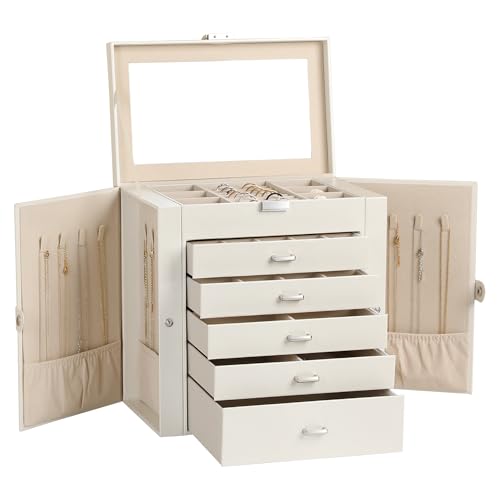
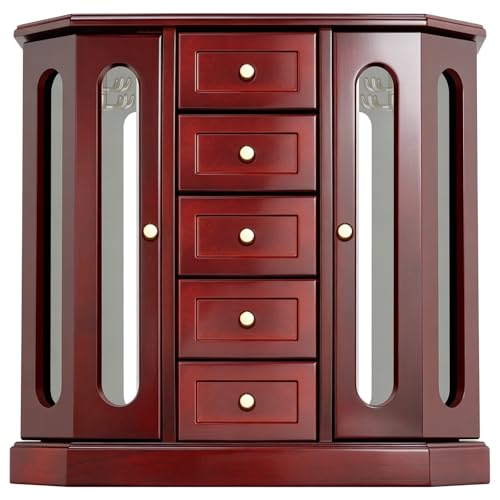
Dresser With Built-In Jewelry Box
A complete buying guide to dressers that combine clothing storage with dedicated, protective jewelry compartments — so your valuables stay organized, accessible, and safe in the bedroom.
Why consider a dresser with integrated jewelry storage? If you own necklaces, rings, watches, or heirloom pieces, you already know the frustration of tangled chains and misplaced earrings. A dresser with a built-in jewelry box solves that problem by giving your valuables a dedicated, padded home right where you get dressed each morning.
This guide explains the different configurations available, what to look for in materials and security, and how to match a jewelry-integrated dresser to your bedroom layout and daily routine. By the end, you will know exactly which type fits your needs and be ready to explore real options.
What Is a Dresser With a Built-In Jewelry Box?
A dresser with a built-in jewelry box is a bedroom furniture piece that integrates a dedicated jewelry compartment into its structure. Unlike a standalone jewelry armoire or a separate box on the dresser top, the jewelry section is part of the dresser itself — usually a felt-lined drawer or a divided tray that slides out from the top row.
These compartments are designed to protect delicate items. Common features include soft velvet or suede lining, ring rolls, necklace hooks, small divided trays for earrings, and sometimes a lockable lid. The result is a single piece of furniture that handles both clothing and valuables without cluttering your dresser surface.
Key distinction: A dresser with jewelry storage is different from a standard dresser paired with a separate jewelry box. The integrated version saves surface space, keeps valuables hidden from view, and often includes security features that a loose box cannot match. If you want the flexibility of a removable tray, look for models described as having a removable top section — some jewelry trays follow the same pull-out design philosophy.
Types of Jewelry Storage Configurations
Not all jewelry-integrated dressers are built the same way. The configuration you choose affects how accessible your items are and how much clothing storage you sacrifice. Here are the most common layouts:
1. Full-Width Top Drawer With Jewelry Inserts
The top drawer spans the full width of the dresser and includes a fitted jewelry organizer — ring rolls on one side, divided trays in the middle, and open space for bracelets or watches. This is the most common design because it uses otherwise shallow top-drawer space efficiently. You still get full-depth clothing storage below.
2. Split Top Drawer
The top row is divided into two sections: one side is a standard clothing drawer, and the other is a dedicated jewelry compartment. This works well if you want quick access to jewelry without dedicating an entire drawer to it. The trade-off is a smaller jewelry area, so it suits modest collections.
3. Hidden or Concealed Jewelry Drawer
Some dressers include a concealed compartment — a slim pull-out tray tucked beneath the top surface, behind a false drawer front, or along the side. These are popular for valuables you want out of sight. Security varies; some hidden drawers lock, while others rely on concealment alone. If privacy is a priority, explore options for a hidden jewelry drawer or a locking drawer configuration.
4. Lift-Top Jewelry Compartment
A section of the dresser top lifts up to reveal a felt-lined jewelry tray beneath. This design keeps the jewelry completely hidden when closed and provides a flat surface on top for decor. It is common on smaller dressers and accent chests where drawer space is limited.
5. Jewelry Drawer Integrated Into a Hutch or Mirror Section
If your dresser includes a hutch or an attached mirror, the jewelry storage may sit in a small drawer within that upper section. This keeps jewelry at eye level and separate from clothing. For related layouts, see our guide to a dresser with hutch.
Configuration Comparison at a Glance
Use this table to compare the main jewelry storage layouts by how they function, not by any numeric metric. Tier descriptors indicate relative market positioning and build quality.
| Configuration | Best For | Typical Tier | Security Options |
|---|---|---|---|
| Full-width top drawer with inserts | Everyday jewelry collections; quick morning access | Entry-level to mid-range | Felt lining; optional keyed lock on premium models |
| Split top drawer | Smaller collections; users who want clothing and jewelry side by side | Mid-range | Usually unlidded; some include a small lockable tray |
| Hidden or concealed drawer | Valuables and heirlooms; privacy-focused users | Mid-range to premium | Concealment plus keyed lock on high-end tier |
| Lift-top compartment | Small dressers and accent chests; keeping jewelry fully out of sight | Essential tier to mid-tier | Concealment; lock optional |
| Hutch or mirror-section drawer | Larger bedroom sets; eye-level access | Premium | Lockable upper drawer on top-tier models |
What to Look For Before You Buy
A jewelry-integrated dresser is a long-term purchase. Focus on these five factors to avoid regrets after delivery.
Lining Material and Protection
The interior lining directly protects your valuables. Velvet and suede are the most protective because they grip items and prevent scratching. Felt is common and adequate but compresses over time. Avoid unlined wood or plastic compartments — they can scratch metal and allow items to slide around. A well-designed tray includes ring rolls, small divided sections for earrings, and at least one deeper area for bracelets or a watch.
Security and Locking Mechanism
Not every jewelry drawer needs a lock, but if you store heirlooms or high-value pieces, a locking mechanism matters. Entry-level models often skip locks entirely. Mid-range dressers may include a simple keyed lock on the jewelry drawer. Premium and luxury tiers sometimes offer concealed vaults with reinforced construction. Decide based on what you plan to store — costume jewelry and a lockable heirloom drawer have very different requirements.
Drawer Glides and Build Quality
The jewelry drawer is likely the one you open most often, so its glide quality matters. Metal ball-bearing slides with soft-close mechanisms last longer than basic roller slides. Full-extension slides let you see the entire tray without digging. Check the drawer box construction too: dovetail joints signal durable construction, while stapled or glued boxes are more common in starter tier pieces. For broader guidance on drawer quality, see our dresser style guide.
Frame Material
The dresser frame should match your expected use. Solid wood — oak, walnut, maple, or mahogany — offers the most durable frame and handles daily drawer cycling well. Engineered wood is common in entry-level and mid-range pieces and can be perfectly serviceable, but hinges and slides may loosen sooner under heavy use. If you want a piece that lasts decades, prioritize a solid wood frame around the jewelry compartment even if other drawers use panels.
Size and Placement in Your Room
Measure your bedroom before choosing a configuration. A wide dresser with a full-width jewelry top drawer needs enough wall space, while a tall chest with a concealed side tray fits tighter footprints. Consider your morning routine: if you sit while getting ready, a dresser that also works as a vanity may suit you better — see dresser vanity combos. If the dresser must sit in a closet, review dressers that fit in a closet for space-efficient options.
Who Should Choose a Jewelry-Integrated Dresser?
This furniture type is not for everyone. It makes the most sense for:
- People with an active jewelry collection who want a single, organized home for rings, necklaces, and watches rather than scattered boxes.
- Anyone who values a clutter-free dresser top — the integrated compartment eliminates the standalone jewelry box that takes up surface space.
- Bedrooms with limited storage — combining two functions into one piece saves floor and wall space. Explore dressers for small spaces if your room is tight.
- Gift-givers and new homeowners looking for a meaningful, practical bedroom upgrade that serves daily life.
If you own only a few pieces and prefer a dedicated jewelry armoire, a standard dresser with a separate organizer may serve you just as well. The integrated design shines when jewelry organization is a genuine daily need.
Styling and Placement Tips
A jewelry-integrated dresser should look intentional in your room, not like a utility piece. Keep the top surface simple — a mirror, a small lamp, and one decorative object. Avoid piling loose items on top, which defeats the purpose of integrated storage. If you want to elevate the look, pair it with a gold-hardware dresser for warmth or a dresser with LED lights so you can see your jewelry clearly in dim morning light.
Position the dresser where you naturally get ready. Near a window for daylight is ideal, but avoid direct sun on wood finishes. Leave at least 30 inches of clearance in front of the jewelry drawer so it can open fully — a drawer that only opens halfway is frustrating and puts stress on the slides.
Related Reading
Frequently Asked Questions
What is a dresser with a built-in jewelry box?
A dresser with a built-in jewelry box is a bedroom storage piece that integrates a dedicated jewelry compartment directly into its structure. This compartment typically features felt-lined drawers, divided trays, and sometimes a locking mechanism, allowing you to store rings, necklaces, and watches alongside clothing in one unified piece of furniture.
Are built-in jewelry drawers secure?
Security varies by tier. Entry-level models often use simple felt-lined drawers without locks, while mid-range and premium models frequently include keyed locks or hidden compartments. High-end tier dressers may feature concealed jewelry vaults, soft-close locking mechanisms, and reinforced drawer construction for added peace of mind.
What materials are best for a jewelry box dresser?
Solid wood construction such as oak, walnut, or maple offers the most durable frame for a dresser with jewelry storage. Interior jewelry compartments are typically lined with velvet, felt, or suede to protect delicate items from scratches. Avoid particle board if you plan to use the jewelry drawer daily, as hinges and slides wear faster.
Where is the jewelry box usually located on these dressers?
The jewelry compartment is most commonly positioned as the top drawer, either full-width or as a divided section within the top row. Some designs place it as a hidden pull-out tray on the side, a lift-top compartment beneath the dresser surface, or a small velvet-lined drawer integrated into a hutch or mirror section.
Ready to Explore Your Options?
Browse recommended dressers with built-in jewelry storage below. Compare configurations, materials, and features to find the piece that fits your collection and your bedroom.
View Recommended Dressers