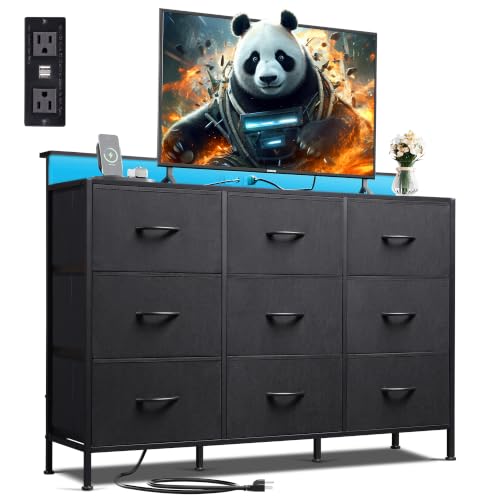
Dresser With Lights: Complete Buying Guide
Discover how built-in LED lighting transforms ordinary bedroom storage into a functional, ambient centerpiece. Learn which illumination features matter and how to choose the right model for your space.
Why consider a dresser with lights? Built-in illumination solves a common bedroom problem: finding what you need in dim lighting without disturbing your partner or fumbling for a lamp switch. Modern LED integration adds convenience, safety, and a touch of atmosphere that elevates any bedroom design.
What Makes a Dresser "Lighted"?
A dresser with lights integrates illumination directly into the furniture's design. Unlike adding a separate lamp on top, these models feature built-in lighting systems that serve both practical and aesthetic purposes. The most common configurations include:
- Under-shelf LED strips that illuminate the area below open shelving or the top surface
- Inside-drawer lighting that activates when a drawer opens, making contents easy to see
- Frame accent lighting that highlights the dresser's silhouette against the wall
- Mirror-integrated lighting for models with attached mirrors, providing even illumination for grooming
- Motion-sensor activation that turns lights on as you approach, then off after a set period
These lighting systems are typically low-voltage LED, which means they consume minimal energy and generate very little heat—important for furniture safety and longevity. For a broader look at how lighting fits into overall dresser design, explore our dresser style guide.
Key Benefits of Illuminated Dressers
Beyond the obvious "wow" factor, lighted dressers deliver practical advantages that make daily routines smoother and safer:
- Improved visibility — no more squinting or turning on harsh overhead lights during early mornings or late nights
- Enhanced safety — reduces the risk of tripping or bumping into furniture in dark rooms
- Ambient atmosphere — creates a warm, hotel-like feel in the bedroom without additional fixtures
- Energy efficiency — LED systems use a fraction of the energy of traditional bulbs
- Convenience — motion sensors and touch controls mean lights operate automatically or with a simple tap
- Showcase display — if you use your dresser top to display decor, integrated lighting highlights those items beautifully
For those who also want display functionality, a dresser with glass top display pairs exceptionally well with integrated lighting.
Lighting Features by Product Tier
Lighted dressers span a wide range of specifications. The table below outlines what you can typically expect at each market tier, using universal quality descriptors rather than specific figures.
| Tier | Typical Lighting Features | Best For |
|---|---|---|
| Entry-Level | Basic battery-powered LED strips or single puck lights; manual on/off switch | Adding illumination to a guest room or starter bedroom |
| Mid-Range | Plug-in LED strips with touch dimming; under-shelf and drawer lighting; integrated cable management | Primary bedrooms where daily convenience matters |
| Premium | Motion-sensor activation, multi-zone lighting, mirror-integrated LEDs, app or remote control | Master suites and design-forward spaces |
| Luxury | Customizable color temperature, smart-home integration, hidden wiring, architectural-grade fixtures | High-end residential or hospitality-grade installations |
When comparing models, focus on the quality of the lighting components—not just the number of lights. A mid-range dresser with well-diffused, warm-white LEDs often provides a more pleasant experience than a premium model with harsh, poorly placed lighting. If you're also considering mirror options, see our guide to a dresser with lights and mirror.
How to Choose the Right Lighted Dresser
1. Determine Your Primary Use
If the main goal is finding clothes in the dark without waking anyone, under-shelf or drawer lighting is sufficient. If you want a statement piece that doubles as ambient lighting, look for frame accent or multi-zone systems. Those who use the dresser top for grooming or display should prioritize even, glare-free illumination.
2. Check the Power Source
Battery-powered lights offer placement flexibility but require periodic replacement. Plug-in systems provide consistent power but need access to an outlet. Rechargeable options split the difference. Consider cable management—premium models often include channels to hide wiring.
3. Evaluate the Control Method
Manual switches are the simplest. Touch dimmers add flexibility. Motion sensors are excellent for nighttime convenience. App and voice control suit smart-home setups. Match the control method to your daily habits—a motion sensor is far more useful for a middle-of-the-night glass of water than a smartphone app.
4. Consider the Color Temperature
Warm white (around 2700–3000K) is flattering for bedrooms and promotes relaxation. Cool white (4000K+) is better for tasks like sorting laundry or grooming. Adjustable models let you switch between the two. For a broader look at dressers that support personal care routines, see our dresser vanity combo guide.
5. Match the Overall Design
A lighted dresser should complement your existing bedroom aesthetic. A sleek modern LED frame suits contemporary spaces, while hidden under-shelf lighting works better with traditional or rustic pieces. Explore our dresser styles resource for design inspiration.
Can You Add Lights to an Existing Dresser?
Absolutely. If you already own a dresser you love, retrofitting lighting is a practical alternative to replacement. Common approaches include:
- LED strip lights — adhere along the underside of the top or shelves; many kits include remote controls and dimmers
- Puck lights — small, battery-powered discs that mount with adhesive or screws; ideal for inside drawers
- Motion-sensor bars — rechargeable units that activate when you approach; no wiring required
- Mirror-mounted lights — clip-on or adhesive options for dressers with attached mirrors
When retrofitting, choose low-heat LED products and keep wiring away from moving parts. Battery-powered options avoid the need for an electrician. If your dresser has open shelving, you might also consider a dresser with open shelves and drawers as a base for a lighting project.
Safety and Maintenance Tips
LED lighting is inherently safe when installed correctly, but a few precautions ensure long-term reliability:
- Verify that electrical components carry recognized safety certifications
- Keep wiring away from drawer slides and hinges to prevent pinching or fraying
- Use only the power adapter supplied with the lighting system
- Clean LED strips with a dry microfiber cloth—avoid liquid cleaners near electrical parts
- Check battery compartments periodically for corrosion if using battery-powered lights
- Ensure motion sensors are positioned to avoid false triggers from pets or curtains
For dressers that combine lighting with charging capabilities, see our dresser valet charging station overview. If you're also considering built-in jewelry storage alongside lighting, a dresser with built-in jewelry box is worth exploring.
Styling With Light
Lighted dressers work best when the lighting serves a purpose beyond decoration. Use under-shelf lights to highlight a curated display of books or art objects. Frame accent lighting can emphasize the dresser's lines and create depth in a small room. Pair warm-white LEDs with soft textiles and natural materials for a cohesive look.
For rooms where the dresser doubles as a nightstand, consider a dresser vs nightstand comparison to ensure the piece suits both roles.
Placement Considerations
Position the dresser where the lighting won't shine directly into eyes during sleep. If the dresser faces the bed, choose models with downward-facing or diffused LEDs. In small rooms, accent lighting can make the space feel larger by drawing attention to vertical lines. For compact spaces, explore dressers for small spaces with integrated lighting.
If you plan to mount a TV above the dresser, ensure the lighting doesn't create glare on the screen. A dresser TV stand combo with downward lighting is an ideal solution.
Common Mistakes to Avoid
- Over-lighting — too many LEDs or overly bright strips can make a bedroom feel clinical; choose dimmable options
- Ignoring color temperature — cool-white lighting in a bedroom disrupts relaxation; warm white is almost always the better choice
- Skipping cable management — exposed wires detract from the furniture's appearance and create tripping hazards
- Choosing novelty over function — prioritize lighting that solves a real problem (finding clothes, grooming, safety) over purely decorative effects
- Forgetting about power access — confirm outlet placement before committing to a plug-in model
If you're furnishing a nursery, a dresser to use as changing table with soft night lighting can be especially useful for nighttime feedings and changes.
Ready to Explore Lighted Dresser Options?
Browse our curated selection of illuminated dressers and storage pieces below, or continue reading our expert guides for deeper insight.
View Recommended ModelsFrequently Asked Questions
Do lighted dressers require special wiring?
Most models use standard household outlets or batteries. Premium and luxury tiers may offer hardwired options, but plug-in and rechargeable systems are the norm for entry-level through premium ranges.
Can the lights be turned off completely?
Yes. Every lighted dresser includes an off setting, whether through a manual switch, dimmer, or app control. Motion-sensor models also allow you to disable the sensor if desired.
Are LED lights on dressers replaceable?
In most cases, yes. LED strips and puck lights are often user-replaceable. Check the product specifications for replacement part availability before purchasing a premium model.
Will the lights interfere with sleep?
Warm-white, dimmable LEDs positioned to avoid direct eye contact are unlikely to disrupt sleep. Avoid cool-white or bright accent lighting in the bedroom if you're sensitive to light at night.
What if my dresser doesn't have built-in lights?
Retrofit kits—LED strips, puck lights, and motion-sensor bars—are widely available and easy to install. Battery-powered options require no wiring at all. Many people add lighting to an existing dresser for a fraction of the cost of a new piece.
Continue Exploring
If you're comparing different dresser configurations, our guides on dressers with LED lights, dressers with mirror and drawers, and dressers with jewelry storage offer detailed comparisons. For a comprehensive overview of all dresser types, start with our main dresser guide.
If you're setting up a complete bedroom, pair your lighted dresser with matching pieces. Our resources on dressers with matching nightstands and dressers and chests help you coordinate a cohesive look.