Dresser With Changing Pad On Top: The Complete Guide
Discover how a dresser with a changing pad on top can transform your nursery into a functional, organized, and safe space. Learn about sizing, safety, materials, and top-tier options to make an informed decision for your family.
EXPLORE CHANGING DRESSERSWhat You Will Learn
- What Is a Dresser With a Changing Pad on Top?
- Key Benefits of a Combined Changing Station
- Essential Safety Features and Practices
- How to Choose the Right Size and Height
- Materials and Construction Quality
- Market Tiers: Entry-Level to Luxury
- Converting a Regular Dresser Into a Changing Station
- Frequently Asked Questions
What Is a Dresser With a Changing Pad on Top?
A dresser with a changing pad on top is a dual-purpose nursery furniture piece that combines clothing storage with a dedicated diaper-changing surface. The top of the dresser is fitted with a contoured or flat changing pad, often secured with safety straps and a non-slip base, while the drawers below store baby clothes, diapers, wipes, and other essentials. This design eliminates the need for a separate changing table, saving valuable floor space in the nursery.
These hybrid pieces are available in a range of styles, from modern minimalist designs to classic farmhouse looks. Many parents prefer a dresser to use as changing table because it grows with the child: once the diaper-changing stage is over, the pad can be removed and the dresser continues to serve as a standard bedroom storage piece for years to come.
Key Benefits of a Combined Changing Station
- Space efficiency: A single piece of furniture handles two essential nursery functions, freeing up room for a crib, glider, or play area. This is especially valuable in small spaces.
- Long-term usability: Unlike a dedicated changing table that becomes obsolete after the toddler years, a dresser remains useful throughout childhood and beyond.
- Consolidated organization: Diapers, wipes, and clothing are all within arm's reach, streamlining diaper changes and reducing the need to move around the room.
- Design cohesion: A matching dresser and changing station creates a cohesive nursery aesthetic. Many collections offer matching nightstands and other pieces to complete the room.
- Safety and stability: Purpose-built changing dressers are designed with wider tops and anti-tip hardware, offering a stable surface for the pad.
Essential Safety Features and Practices
Safety is the most critical consideration when selecting a dresser with a changing pad on top. The American Academy of Pediatrics recommends never leaving a baby unattended on any elevated surface, even for a moment. Follow these guidelines to create a safe changing environment:
- Anti-tip anchoring: Always secure the dresser to the wall using the provided anti-tip kit. This is non-negotiable, especially in households with curious toddlers.
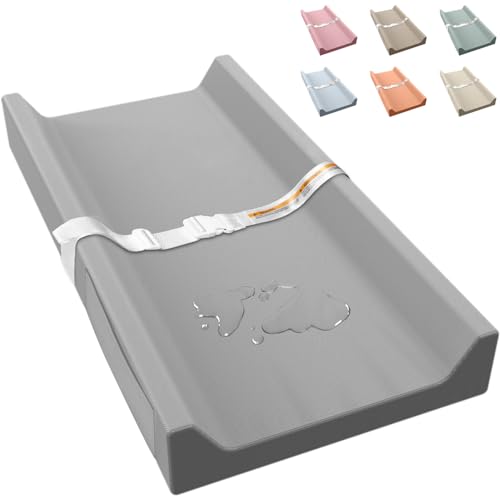
- Non-slip changing pad: Choose a contoured pad with a non-slip base and a safety strap. The pad should fit snugly on the dresser top without overhanging the edges.
- Sturdy construction: Look for solid wood or high-grade engineered wood with reinforced joinery. Avoid flimsy particleboard that may wobble or sag under weight.
- Drawer stops: Drawers should have stops to prevent them from pulling all the way out, which can cause the dresser to tip forward.
- Rounded edges: Softened corners and edges reduce the risk of injury if a child bumps into the furniture.
- Keep one hand on the baby: Always maintain contact with your baby during changes. Have supplies pre-staged within reach before beginning.
How to Choose the Right Size and Height
The ideal dresser for a changing pad balances storage capacity with a comfortable working height. Standard changing tables sit at about 36 to 40 inches, which corresponds to waist height for most adults. When evaluating a dresser, account for the thickness of the changing pad, which typically adds 2 to 4 inches.
| Dresser Width | Best For | Changing Pad Fit |
|---|---|---|
| 30–36 inches | Compact nurseries, small rooms | Contoured pad; verify depth clearance |
| 40–50 inches | Standard nurseries, ample storage | Full-size contoured or flat pad |
| 55–65 inches | Large nurseries, shared rooms | Extra-wide pad or pad with side storage |
Depth matters too: the dresser top should be at least 18 inches deep to accommodate a standard changing pad safely. If you have limited space, consider a dresser less than 30 inches wide paired with a compact pad. Conversely, a dresser with extra-large drawers offers generous storage but requires more floor space.
Materials and Construction Quality
The material of your changing dresser affects durability, safety, and long-term appearance. Here is how common options compare:
- Solid wood (oak, maple, walnut): The most durable choice. Solid wood resists warping and can be refinished. It is heavier, which improves stability. A solid wood dresser with no assembly arrives ready to use.
- Engineered wood (MDF, particleboard): More accessible in the entry-level tier. Look for CARB-compliant boards and reinforced joinery. These dressers are lighter and may need more careful anchoring.
- Painted finishes: A painted dresser can hide imperfections and coordinate with nursery themes. Ensure the paint is low-VOC and child-safe.
- Hardware: Smooth-glide metal drawer slides and sturdy handles matter for daily use. Consider gold handles or black hardware for a designer look.
Inspect drawer boxes for dovetail or doweled joinery, which signals premium construction. Drawers with full extension slides allow you to reach the back of the drawer easily, a helpful feature during late-night changes.
Market Tiers: Entry-Level to Luxury
Changing dressers span the full spectrum of the market. Using neutral tier descriptors helps you set expectations without relying on fluctuating figures:
| Tier | Typical Characteristics | Best For |
|---|---|---|
| Entry-level | Engineered wood, basic slides, removable pad included | Short-term use, starter nurseries |
| Mid-range | Solid wood frame with engineered panels, smooth-glide drawers, safety straps | Everyday family use |
| Premium | All-solid wood, dovetail joinery, built-in changing station, soft-close hardware | Long-term investment, heirloom quality |
| Luxury | Hardwood construction, designer finishes, integrated storage compartments, anti-tip engineering | High-end nurseries, design-focused homes |
Mid-range and premium models often include a changing table attachment that can be removed once the child outgrows diapers. This modularity is a hallmark of well-specified furniture in the upper tiers.
Converting a Regular Dresser Into a Changing Station
If you already own a sturdy dresser, you can add a changing pad to create a functional station. Here is how to do it safely:
- Measure the top: Ensure the surface is at least 18 inches deep and wide enough for the pad with no overhang.
- Check stability: The dresser must be solid and level. Anchor it to the wall with an anti-tip strap.
- Choose the right pad: A contoured pad with a non-slip base and safety strap is ideal. Avoid pads that hang over the edges.
- Secure the pad: Use the pad's attachment points or a non-slip mat underneath to prevent sliding.
- Stage supplies: Use a dresser top organizer with drawers to keep diapers, wipes, and creams within reach.
For a more integrated look, consider a dresser with changing table top that is purpose-built with raised sides and a locking mechanism.
Frequently Asked Questions
What is a dresser with changing pad on top?
Is a dresser with changing pad on top safe for a baby?
How do I choose the right height for a dresser with a changing pad?
Can I convert a regular dresser into a changing table?
What features should I look for in a dresser with changing pad on top?
Final Thoughts
A dresser with a changing pad on top is one of the smartest investments for a nursery. It streamlines diaper changes, conserves space, and transitions into a long-term storage piece. Prioritize safety by choosing a stable, well-built dresser, anchoring it to the wall, and using a proper changing pad with a safety strap. Whether you select an entry-level model or a luxury piece with integrated storage, the right changing dresser will make your nursery more functional and comfortable for years to come.
Explore our related guides on changing table attachments and dressers with diaper changing tops to find the perfect fit for your home.
Recommended Dressers With Changing Pads & Nursery Storage
⚠️ AFFILIATE DISCLOSURE: This website contains affiliate links. As an Amazon Associate, we earn from qualifying purchases. If you make a purchase through these links, we may receive a small commission at no additional cost to you. Read our full affiliate policy.

YeTom Changing Table, 6-Drawer Dresser, Adjustable Shelves, Mobile, White | Changing Table Dresser, Waterproof Diaper pad & Safety Strap, 6 drawers, Adjustable shelves, Mobile Nursery Organizer
Check price on Amazon
Blissful Diary Vegan Leather Baby Changing Pad with Waterproof & Wipe-Clean PU Cover, Standard Size Cozy Diaper Changing Pad for Dresser and Table, Taupe
Check price on Amazon
St.Mandyu Baby Changing Table, Multi-Functional Baby Dresser with Changing Table Top, Waterproof Baby Changing Station with 7 Fabric Storage Drawers, Modern Nursery Dresser for Bedroom (White)
Check price on Amazon
Xaproo Eva Baby Changing Pad, 2-in-1 Soft Changing Pad for Crib & Dresser | Waterproof & Wipeable Diaper Changing Pad, Adjustable Crib Clips, Non-Slip Changing Table with Safety Strap & Side Handles
Check price on Amazon
Serta Foam Contoured Changing Pad with Waterproof Cover
Check price on Amazon
Blissful Diary Vegan Leather Baby Changing Pad with Waterproof & Wipe-Clean PU Cover, Standard Size Cozy Diaper Changing Pad for Dresser and Table, Beige
Check price on Amazon
Baby Changing Basket Includes Diaper Caddy - Soft & Waterproof Dual-Cover, Portable, Changing Pad for Dresser & Changing Table, Gift for Baby Shower, Organic Cotton Rope
Check price on Amazon