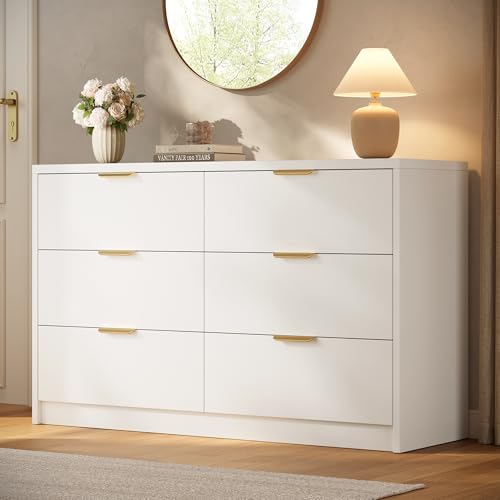
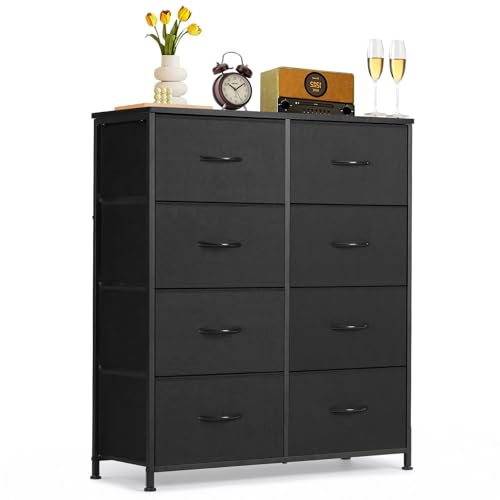
Extra Large Drawer Storage
Dresser with Extra Large Drawers: The Complete Buying Guide
Bulky sweaters, folded linens, and seasonal bedding all need a home. Discover how a dresser with extra large drawers delivers serious storage volume without sacrificing style or bedroom floor space.
Why extra large drawers matter: Standard dresser drawers often force you to fold, compress, and rearrange just to fit everyday items. A dresser with extra large drawers changes that equation — deep, wide compartments accommodate bulkier clothing and household textiles, reduce the number of drawers you need to open, and keep your bedroom visually calm. This guide walks you through drawer dimensions, construction quality, organization strategies, and the trade-offs to weigh before you buy.
What Counts as an Extra Large Drawer?
"Extra large" is not a standardized furniture term, but in the dresser category it generally refers to drawers that exceed the typical bedroom-dresser dimensions. A conventional dresser drawer measures roughly 24 to 28 inches wide, 5 to 7 inches deep, and 14 to 16 inches front-to-back. An extra large drawer typically pushes past those figures on at least two axes.
When shopping, compare the interior drawer dimensions rather than the exterior cabinet size. A dresser can look generous from the outside while hiding shallow, narrow drawers inside. The table below summarizes the working thresholds most furniture makers use when labeling a drawer as oversized.
| Drawer Category |
Typical Width |
Typical Depth |
Best For |
Market Tier |
| Standard drawer |
24–28 in |
5–7 in |
T-shirts, socks, underwear |
Entry-level to mid-range |
| Deep drawer |
28–32 in |
7–9 in |
Jeans, folded shirts, activewear |
Mid-range |
| Extra large drawer |
30–40 in |
8–12 in |
Sweaters, blankets, linens, bedding |
Premium to luxury |
| Oversized / deep storage drawer |
36–48 in |
10–14 in |
Comforters, bulky winter wear, off-season storage |
High-end tier |
If your storage needs lean toward oversized compartments, explore the broader category of dressers with large deep drawers to compare depth options and structural considerations side by side.
Why Choose a Dresser with Extra Large Drawers?
The appeal of oversized drawers goes beyond raw capacity. For many households, fewer but larger drawers streamline the daily routine and reduce visual clutter. Here is what makes them a compelling choice:
- Accommodates bulky items without compression: Thick knit sweaters, fleece jackets, and folded quilts fit comfortably in a deep drawer, so you avoid the overstuffed-drawer look that strains hinges and glides.
- Fewer drawer openings per task: With a wide drawer, you can store an entire clothing category in one compartment instead of spreading it across three or four narrow drawers.
- Efficient footprint: A tall dresser with three or four extra large drawers can match the usable volume of a much wider multi-drawer unit, making it a smart pick for compact bedrooms.
- Better for shared rooms: Each person in a shared bedroom can claim one oversized drawer as a complete personal zone, reducing the "which drawer is mine" confusion.
- Easy to retrofit with dividers: Deep drawers respond well to removable organizers, so you can create sub-compartments for smaller items without losing the versatility of the large format.
Pros and Cons of Extra Large Drawers
No furniture format is perfect for every room. Weigh these trade-offs against your daily habits and the physical constraints of your bedroom.
Advantages
- High storage volume per drawer, ideal for bulky textiles
- Reduces the number of drawers needed for a given clothing category
- Works well in narrow or tall dresser silhouettes
- Easy to adapt with dividers, bins, and drawer organizers
- Fewer moving parts to maintain compared with many-small-drawer units
Considerations
- Heavier when loaded, so drawer glides must be robust
- Deep drawers can become "black holes" without organization
- Wide drawer faces demand sturdier construction to resist sagging
- Not ideal for small accessories like jewelry or socks without dividers
- Requires more floor clearance to open fully in tight rooms
If you need dedicated compartments for smaller accessories alongside large drawers, a dresser with different size drawers may offer a better balance than a uniform oversized-drawer layout.
Construction and Materials That Handle the Load
Extra large drawers place more stress on a dresser than standard drawers. The drawer bottom must resist bowing, the glides must support a heavier load, and the cabinet frame must stay square as the drawers open and close. Prioritize these construction details:
Drawer box and bottom panel
Look for drawer boxes made from solid wood or high-density engineered wood with a minimum 5/8-inch bottom panel. Thin hardboard bottoms are common in entry-level units and tend to sag under the weight of stacked blankets. Dovetail or dowel-and-glue joinery signals a sturdier box than stapled construction.
Glides and slides
Full-extension metal ball-bearing glides are the standard for premium and luxury tiers. They allow the drawer to open completely, so you can reach items at the back of a deep compartment. Soft-close mechanisms add convenience but are not essential — the load rating matters more. A dresser with full extension drawers is especially useful when drawers are deep, because partial-extension slides make back-of-drawer access awkward.
Frame and case goods
Solid wood frames in oak, maple, walnut, or mahogany resist racking better than thin engineered panels. However, well-built engineered wood with reinforced corner blocks can serve in mid-range options. Check that the dresser includes an anti-tip strap — tall dressers with heavy loaded drawers should always be anchored to the wall.
Sizing an Extra Large Drawer Dresser for Your Room
Drawer size and cabinet size are related but separate decisions. A dresser with extra large drawers can be tall and narrow, wide and low, or somewhere in between. Measure your space before you shop, and account for the full extension of each drawer plus walking clearance.
- Wall space: Leave at least 24 inches of clearance in front of the dresser for comfortable drawer opening, and more if the drawers extend fully.
- Height: The top of the dresser should sit at a comfortable standing height — typically 30 to 36 inches — especially if you plan to use it as a changing station or display surface.
- Depth: A deeper cabinet accommodates deeper drawers, but it also protrudes further into the room. Confirm the footprint against door swings and walkways.
- Number of drawers: Three or four extra large drawers often match the capacity of six or eight standard drawers. Decide whether you prefer fewer, bigger compartments or more granular organization.
If floor space is tight, a dresser designed for small spaces can still deliver oversized drawer capacity in a compact footprint. For closets, a dresser that fits in a closet may pair well with extra large drawers for seasonal storage.
How to Organize Extra Large Drawers
Large drawers are only as useful as their organization system. Without structure, deep compartments turn into a jumble. These strategies keep oversized drawers functional:
- Assign one category per drawer: Reserve each extra large drawer for a single broad category — knitwear, bedding, workout clothing, or off-season layers — so you always know where to look.
- Use vertical dividers: Dividers break a wide drawer into columns, preventing stacks from toppling and making the contents visible at a glance.
- Roll instead of fold for soft items: Rolling T-shirts, leggings, and towels maximizes vertical space in a deep drawer and keeps the contents tidy.
- Place heavy items at the bottom: Store denser items such as denim or folded quilts in the lowest large drawers to keep the dresser's center of gravity low.
- Rotate seasonally: Use the deepest drawers for off-season clothing and reserve the most accessible drawers for everyday items. A dresser with lots of storage gives you room for both.
Matching Extra Large Drawers to Your Bedroom Style
Oversized drawers appear in every major furniture style, from streamlined modern designs to ornate traditional pieces. The right choice depends on the visual weight of your existing furniture and the amount of detail you want in the room.
M
Modern & Minimalist
Flat-front drawer faces, handle-less push-to-open glides, and a single wood or lacquer finish. Extra large drawers keep the surface uncluttered.
Balanced tier
T
Traditional & Transitional
Raised panel details, bun feet, and decorative pulls. Wide drawers often feature a centered knob or pair of pulls to break up the façade.
Premium tier
R
Rustic & Farmhouse
Reclaimed wood textures, distressed finishes, and black or bronze hardware. Large drawers suit the relaxed, heavy-timber aesthetic.
Mid-range tier
For more inspiration across furniture periods and silhouettes, see our dresser style guide and overview of dresser styles.
Related Dresser Configurations Worth Exploring
Extra large drawers are one point on a spectrum of storage layouts. Depending on your room and habits, one of these adjacent configurations may fit better:
If you are comparing large storage formats, a dresser versus armoire comparison can clarify whether open drawers or a closed hanging system suits your wardrobe better. For rooms that need both hanging space and drawers, a dresser wardrobe combo is another option.
Frequently Asked Questions
What qualifies as an extra large drawer on a dresser?
An extra large drawer generally measures at least 30 inches wide and 8 to 12 inches deep, offering noticeably more volume than a standard bedroom-dresser drawer. The exact threshold varies by manufacturer, so always check the interior dimensions rather than the exterior cabinet size.
Are dressers with extra large drawers suitable for small bedrooms?
Yes. A tall dresser with three or four oversized drawers can match the storage capacity of a much wider unit while taking up less wall space. Measure the drawer's full extension and leave enough clearance in front before committing.
What materials are best for extra large drawer dressers?
Solid wood construction such as oak, maple, or walnut is ideal because it resists sagging under heavy loads. Well-built engineered wood with reinforced drawer bottoms and metal ball-bearing glides is a practical alternative in the mid-range tier.
How do I keep extra large drawers organized?
Assign one broad category per drawer, use vertical dividers to create columns, roll soft items to maximize vertical space, and place heavier items in the lowest drawers. Seasonal rotation keeps the most accessible drawers stocked with everyday clothing.
Do extra large drawers require special hardware?
They benefit from heavy-duty full-extension glides rated for higher loads. Soft-close mechanisms are a convenience feature, but the load rating and glide quality matter more for long-term durability. Anti-tip straps are strongly recommended for tall units.
Ready to Compare Extra Large Drawer Dressers?
Use the curated selection below to explore dressers and storage pieces with oversized drawers. Compare construction details, drawer configurations, and style options before you decide.
Explore Options