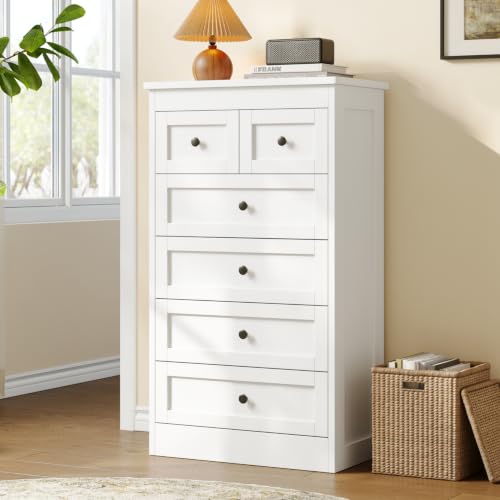
Dresser With Different Size Drawers: The Smart Storage Solution
One dresser rarely fits everything. A dresser with different size drawers solves that problem by giving small accessories, folded clothing, and bulky items their own dedicated space — all in a single, organized unit.
EXPLORE THE GUIDEWhy mixed drawer sizes matter: Uniform drawers force compromise. A shallow drawer wastes vertical space for sweaters, while a deep drawer swallows socks and accessories. A dresser with different size drawers matches storage depth to item type, so every inch earns its place. This guide explains the layouts, benefits, and selection criteria so you can choose with confidence.
What Is a Dresser With Different Size Drawers?
A dresser with different size drawers — sometimes called a mixed-drawer or varied-depth dresser — combines two or more drawer dimensions in one cabinet. Instead of a uniform stack of identical drawers, the layout might pair a row of shallow drawers at the top with deeper drawers below, or place narrow side drawers beside wider central ones. The goal is functional zoning: each drawer depth is assigned to the items it stores best.
This design approach is closely related to broader dresser type classifications, but it focuses specifically on internal layout rather than exterior style. It is a practical choice for anyone who has outgrown a single-depth dresser or wants to reduce clutter without adding more furniture. If you are still comparing furniture categories, our guide on dresser vs chest of drawers clarifies how each form factor differs before you commit to a layout.
The Three Core Drawer Depths Explained
Most mixed-drawer dressers are built around three depth categories. Understanding each one helps you evaluate any layout you encounter.
Small Drawers
Typically 4–6 inches deep. Ideal for socks, underwear, jewelry, ties, belts, and small accessories. Keeping these items in shallow drawers prevents them from disappearing into a deep pile and makes daily access effortless.
Medium Drawers
Typically 7–9 inches deep. The workhorse of the dresser, suited to folded t-shirts, jeans, pajamas, and everyday clothing. Medium drawers form the bulk of most mixed layouts.
Large Drawers
Typically 10–12+ inches deep. Designed for bulky items: sweaters, linens, bedding, seasonal clothing, and workout gear. Deep drawers reduce the need for separate storage bins.
For households with a heavy concentration of small items, models that lean toward lots of small drawers may be more useful than a deep-drawer configuration. Conversely, if bulky clothing dominates your wardrobe, a dresser with extra-large drawers paired with a few shallow top drawers offers a balanced solution.
Common Mixed-Drawer Layouts
Manufacturers arrange varied drawer sizes in several recognizable patterns. Knowing these patterns speeds up your search.
1. The Top-Shallow, Bottom-Deep Layout
The most common configuration. A row of two or three shallow drawers sits above wider, deeper drawers. This layout follows a simple logic: frequently accessed small items live at eye level, while heavier, less-accessed items sit lower. It is a natural fit for dressers with small drawers on top and works well in bedrooms of any size.
2. The Side-Small, Center-Wide Layout
Narrow vertical columns of small drawers flank a wide central drawer stack. This arrangement suits wider dressers and gives you quick-grab access to accessories on either side without opening the main stack. It is a practical choice for shared dressers where two people claim their own side.
3. The Graduated Vertical Stack
Drawer depth increases gradually from top to bottom — shallow, then medium, then deep. This graduated approach is often found in tall, narrow dressers and makes efficient use of vertical space. If your bedroom is compact, a dresser with many small drawers near the top and deep storage below can replace a separate chest and nightstand.
Benefits of Choosing Varied Drawer Sizes
- Better organization: Each item type gets an appropriately sized home, reducing clutter and the temptation to overstuff drawers.
- Faster daily routines: Small items are immediately visible in shallow drawers instead of buried under clothing.
- Space efficiency: Deep drawers handle bulky items without wasting vertical space that shallow drawers would leave unused.
- Fewer storage accessories: Proper drawer depth reduces the need for extra bins, dividers, and organizers.
- Long-term flexibility: A mixed layout adapts as your wardrobe changes — from seasonal clothing to bedding and accessories.
- Compact footprint: One well-planned mixed dresser can replace two single-purpose storage pieces, which is especially valuable in small bedrooms.
Mixed Drawer Layouts Compared
Use this reference table to match a layout to your storage priorities.
| Layout Type | Best For | Typical Height | Storage Priority |
|---|---|---|---|
| Top-Shallow, Bottom-Deep | Everyday bedroom use, couples | Standard to tall | Balanced small and bulky items |
| Side-Small, Center-Wide | Shared dressers, accessory-heavy wardrobes | Wide, low profile | Accessories and folded clothing |
| Graduated Vertical Stack | Small bedrooms, closets, apartments | Tall and narrow | Maximum storage in minimum floor space |
| All-Small Drawer Layout | Jewelry, ties, socks, hobby supplies | Medium | High-count small-item organization |
| All-Deep Drawer Layout | Sweaters, linens, seasonal clothing | Low to medium | Bulky item capacity |
How to Choose the Right Mixed-Drawer Dresser
Selection comes down to inventory, space, and quality. Work through these steps before you shop.
Step 1: Inventory Your Belongings
Empty your current dresser and sort items into three groups: small accessories, folded clothing, and bulky items. Count the approximate volume of each group. If small items dominate, prioritize shallow drawers. If bulky items dominate, prioritize deep drawers. This inventory becomes your layout checklist.
Step 2: Measure Your Space
Measure the available wall width, the floor-to-ceiling height, and the clearance needed for drawer extension. Remember that drawers need room to open fully. In tight rooms, a tall, narrow mixed dresser often fits better than a wide, low one. Our guides on dressers for small spaces and dressers that fit in a closet offer practical placement strategies.
Step 3: Match Drawer Count to Your Routine
Consider how often you access each category. Daily-use items belong in shallow drawers near the top, while seasonal or occasional items can go into deep drawers below. A dresser with a high total drawer count — sometimes marketed as a dresser with lots of drawers — offers more sorting granularity but requires more careful labeling to stay organized.
Step 4: Evaluate Construction Quality
Drawer size affects structural demands. Deep, wide drawers carrying heavy items need reinforced bottoms, sturdy side rails, and smooth glides. Look for dovetail or box joints, solid wood or high-grade engineered panels, and metal drawer slides rated for the load. Entry-level models may use stapled joints and light slides, while mid-range and premium tiers typically offer dovetail construction and full-extension glides. The difference shows up in long-term durability and drawer alignment.
Step 5: Consider Special Features
Some mixed-drawer dressers include extras that enhance organization: felt-lined top drawers for jewelry, locking drawers for valuables, full-extension drawers for full access to contents, and built-in jewelry drawers. These features add convenience, but evaluate them against your actual needs rather than collecting features you will not use.
Ready to Upgrade Your Storage?
Browse curated dressers with varied drawer sizes and find the layout that fits your routine. Compare features, construction quality, and organization potential — then make a confident choice.
VIEW RECOMMENDED OPTIONSOrganizing a Dresser With Different Size Drawers
A mixed-drawer dresser rewards deliberate organization. Follow these principles to get the most from every drawer.
- Assign by access frequency: Daily items in shallow top drawers, weekly items in medium drawers, seasonal items in deep bottom drawers.
- Use dividers in shallow drawers: Small compartments keep socks, underwear, and accessories separated and visible.
- Fold vertically in medium drawers: File-folding clothing lets you see every item at a glance and prevents pile collapse.
- Group by category in deep drawers: Keep sweaters together, linens together, and workout gear together so you never have to dig.
- Rotate seasonally: Move off-season clothing to deep drawers and bring current-season items to more accessible medium drawers.
- Label if shared: In shared dressers, assign columns or rows to each person and label the interior for clarity.
For more detailed drawer-by-drawer strategies, see our related guide on dresser organizers with drawers and our overview of dressers with lots of storage.
Common Mistakes to Avoid
Overloading deep drawers: Heavy items in deep drawers can strain slides and warp bottoms over time. Distribute weight evenly and avoid exceeding the manufacturer's load guidance.
Ignoring drawer extension clearance: A deep drawer needs more floor space to open fully. Measure the extension distance before placing the dresser in a tight corner or beside a bed.
Choosing style over layout: A beautiful dresser with the wrong drawer mix will frustrate you daily. Prioritize layout, then choose the finish and hardware that match your room. Our dresser style guide helps you balance aesthetics with function.
Forgetting interior dimensions: Exterior drawer height includes the frame and slide hardware. Check interior depth and width to confirm that bulky items will actually fit.
Frequently Asked Questions
What is a dresser with different size drawers?
A dresser with different size drawers combines shallow, medium, and deep drawers in a single unit. This mixed layout lets you store small accessories, folded clothing, and bulky items in dedicated spaces instead of forcing everything into one uniform drawer depth.
What are the benefits of mixed drawer sizes?
Mixed drawer sizes improve organization by matching storage space to item type. Small drawers keep accessories visible and tidy, medium drawers suit folded clothing, and deep drawers handle bulky items like linens or sweaters. This reduces clutter and wasted space.
How do I choose the right drawer layout?
Start by inventorying what you store. If you have many small items, prioritize a dresser with small drawers on top. If bulky clothing dominates, choose one with extra-large drawers. A balanced layout with small, medium, and deep drawers suits most households.
Are dressers with different size drawers suitable for small bedrooms?
Yes. A mixed-drawer dresser maximizes storage in a compact footprint by using vertical space efficiently. Choosing a tall, narrow model with varied drawer depths can replace multiple storage pieces in a small bedroom.
Should I choose full-extension drawers?
Full-extension drawers pull out completely, giving you access to the entire drawer interior. They are especially useful for deep drawers where items would otherwise be hard to reach. If you plan to store heavy or bulky items, full-extension glides are a worthwhile feature to look for.