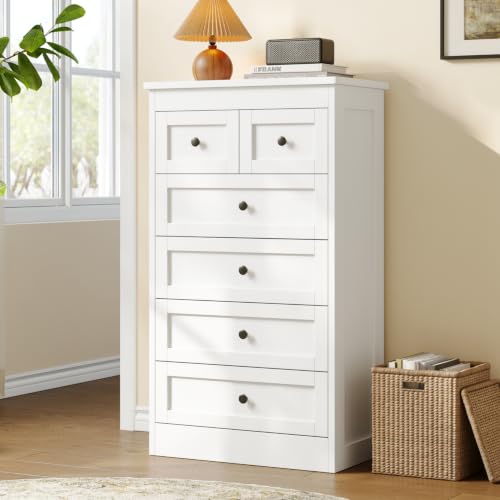
Corner Dresser Chest for Bedroom: Smart Storage Solutions
Turn an unused corner into organized, accessible storage. Discover how a corner dresser chest can free up floor space, fit awkward angles, and bring order to your bedroom without sacrificing style.
START EXPLORINGWhy a corner dresser chest makes sense: Bedrooms often have one idle spot — the corner. A standard dresser needs a flat wall, but a corner dresser chest is shaped to sit snugly into the angle between two walls. That means you keep your walkways clear, leave walls free for the bed or windows, and still gain a full set of drawers for clothes, linens, and accessories.
This guide explains how corner chests differ from conventional dressers, which sizes and drawer layouts work best, what materials hold up over time, and how to organize the interior so every inch earns its place. Whether your bedroom is compact or you simply want smarter storage, the details below will help you choose with confidence.
What Is a Corner Dresser Chest?
A corner dresser chest is a storage cabinet built with an angled or triangular footprint so it can occupy the corner of a room. The front face typically faces diagonally into the room, giving you a bank of drawers that opens into usable space rather than toward a wall. Many designs use a wedge-shaped or chamfered carcass, while others present a flat front with two short side panels that meet the walls.
The appeal is straightforward: corners are the most underused real estate in most bedrooms. A conventional dresser placed against a flat wall consumes several feet of wall length and juts into the room. A corner chest reclaims that same storage volume while occupying far less of your usable floor area. For anyone searching for a corner dresser that doubles as a full chest of drawers, this format is the practical answer.
Corner chests come in several configurations. Some are true triangular units with pie-shaped or angled drawers. Others are standard rectangular chests with a corner-friendly facade — the drawers themselves are rectangular, but the cabinet is designed to nestle into the angle. A third variant is the angled-front chest, where the entire drawer bank is set at 45 degrees, creating a distinctive focal point. Each approach has trade-offs in usable drawer volume and visual impact, which we cover below.
Key Benefits of a Corner Dresser Chest
Space Efficiency
By using the corner, you free up wall space and floor area. This is especially valuable in small bedrooms where every square foot counts.
Better Traffic Flow
A corner unit keeps walkways clear between the bed, closet, and door. You avoid the bulky protrusion of a flat-wall dresser in a narrow room.
Full Drawer Capacity
Despite the compact footprint, corner chests typically offer three to six drawers — enough for clothing, linens, and accessories.
Design Focal Point
An angled front creates visual interest. Paired with a mirror or lamp, the corner becomes a styled feature rather than dead space.
Flexible Placement
Corner chests work in bedrooms, nurseries, guest rooms, and even walk-in closets. They adapt to awkward architectural angles.
Concealed Storage
Drawers keep clothing and personal items out of sight, supporting a calmer, more organized bedroom environment.
Types of Corner Dresser Chests
Triangular / Wedge Chest
A true corner shape with angled sides that meet the walls. Drawers may be pie-shaped or standard rectangles set behind an angled front. Best for maximizing corner usage.
Angled-Front Chest
The drawer bank faces diagonally into the room at roughly 45 degrees. Offers a bold focal point and comfortable access from the center of the room.
Rectangular Corner-Fit Chest
A standard rectangular carcass with a shallow rear profile or notched back that fits closer to the corner. Simpler construction and often more drawer volume.
Tall Corner Chest
Vertical orientation with four to six stacked drawers. Ideal for narrow corners where floor space is limited but height is available.
Corner Chest with Open Shelf
Combines drawers with an open shelf or two for display or frequently used items. A good bridge between storage and styling.
Corner Chest with Mirror
An attached or separately placed mirror turns the corner into a dressing station. Useful in bedrooms without a dedicated vanity.
Corner Chest vs. Standard Dresser: Quick Comparison
| Feature | Corner Dresser Chest | Standard Flat-Wall Dresser |
|---|---|---|
| Footprint | Fits into an angle; conserves floor and wall space | Requires a long flat wall; protrudes into the room |
| Best For | Small bedrooms, awkward corners, apartments | Large bedrooms with ample wall length |
| Drawer Shape | May be angled, wedge-shaped, or standard rectangular | Uniform rectangular drawers |
| Usable Volume | Good, though angled drawers can reduce usable depth | Generally higher for the same front width |
| Placement Flexibility | Limited to corners, but corners are abundant | Limited to flat walls with clearance |
| Visual Impact | Can serve as a focal point | Traditional, wall-anchored look |
How to Choose the Right Corner Dresser Chest
1. Measure the Corner Precisely
Start by measuring the two wall lengths that form the corner and the depth you can afford to lose from the room. Remember to account for baseboards, window sills, door swing, and the clearance needed to open drawers fully. A corner chest that looks compact on a product page can still block a closet door if the depth is underestimated. For a deeper look at dimension planning, see our guide to corner dresser with drawers layouts.
2. Decide on Drawer Configuration
Consider what you will store. A mix of shallow and deep drawers is versatile: shallow top drawers for socks, accessories, and folded tops; deeper lower drawers for jeans, knitwear, and linens. If the chest uses angled drawers, check the usable interior depth — the diagonal front can reduce how much fits inside. Some buyers prefer standard rectangular drawers behind a corner-fit facade for maximum volume.
3. Choose Materials and Construction
Solid wood and high-grade engineered wood both work in bedrooms. Look for dovetail or reinforced drawer joints, smooth metal glides, and a stable frame. A corner chest takes less abuse than a main dresser, so a balanced-tier construction is often sufficient. If you want a long-term investment, prioritize solid wood and quality hardware. Our corner chest of drawers for bedroom overview covers construction details worth checking.
4. Match the Room's Style
Corner chests come in traditional, modern, farmhouse, and minimalist designs. An angled-front piece can be a statement; a rectangular corner-fit chest blends quietly. Choose finishes that complement your bed frame, nightstands, and flooring. A classic dresser silhouette in a corner works well in traditional rooms, while clean-lined options suit contemporary spaces.
5. Plan the Surrounding Space
Leave enough room to open drawers and move around the bed. If the corner is near a window, check that the chest height does not obstruct light or curtains. If it sits beside a closet, confirm the door can swing freely. A small mirror or lamp above the chest can complete the corner as a functional dressing area.
How to Organize a Corner Dresser Chest
A corner chest has less usable volume than a wide flat-wall dresser, so organization matters. Start by decluttering and categorizing. Use drawer dividers to separate socks, underwear, and accessories. Fold clothes vertically so you can see everything at a glance rather than stacking. Reserve the top drawers for small items and the lower drawers for bulkier clothing or linens.
Rotate seasonal clothing so the chest holds only what you wear now. Keep a small basket or bin on top for items that do not belong in drawers. If the chest has an open shelf, use it for a few well-chosen books or a decorative tray rather than clutter. For more ideas, explore our closet organization ideas and clothes drawer dividers guides.
Finally, label or mentally map each drawer. A consistent system — tops in one drawer, bottoms in another, linens in a third — prevents the corner chest from becoming a catch-all. That discipline is what makes a compact storage piece feel generous.
Safety and Placement Tips
- Anchor the chest to the wall if it is tall or if children use the room. Tip-over risk is real for any drawer-heavy furniture.
- Do not place the chest where it blocks a door, window, or heating vent.
- Keep the top surface clear of heavy items that could fall.
- Check that drawers open without hitting the bed, nightstand, or wall.
- In a nursery, choose a chest with a secure anti-tip strap and avoid placing a changing pad on a surface not designed for it.
Ready to Reclaim Your Corner?
A corner dresser chest turns wasted space into practical storage. Use the guidance above to measure, choose a drawer layout, and organize the interior — then browse recommended options below to find the right fit for your bedroom.
VIEW RECOMMENDED OPTIONSFrequently Asked Questions
What is a corner dresser chest for a bedroom?
A corner dresser chest is a storage piece designed with an angled or triangular profile to fit snugly into the corner of a bedroom. It combines the drawer capacity of a standard dresser with a space-saving footprint that makes use of otherwise idle corner space.
How do I measure for a corner dresser chest?
Measure the two wall lengths that form the corner and the depth from the corner point outward into the room. Account for baseboards, door swing clearance, and walkway space. A corner dresser chest should sit flush without blocking traffic flow or nearby furniture.
Are corner dresser chests good for small bedrooms?
Yes. Because they occupy a corner rather than a full wall, corner dresser chests free up floor space and leave walls available for beds, windows, or doorways. They are especially effective in compact bedrooms and apartments.
What drawer configuration works best in a corner chest?
A mix of shallow top drawers for small items and deeper lower drawers for clothing works well. Some corner designs include angled or pie-shaped drawers, while others use standard rectangular drawers behind a corner-facing facade.
How can I organize clothes inside a corner dresser chest?
Use drawer dividers to separate categories, fold clothes vertically for visibility, assign the top drawers to accessories and the lower drawers to bulky items, and rotate seasonal clothing. This keeps the limited interior volume efficient and clutter-free.