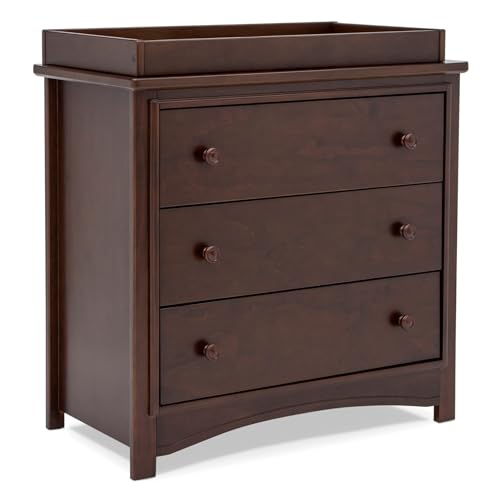
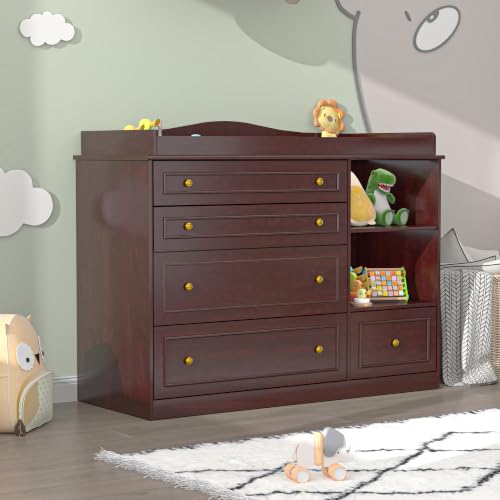
Cherry Wood Changing Table Dresser: A Complete Buying Guide
A cherry wood changing table dresser combines nursery function with furniture-grade craftsmanship. This guide explains wood quality, safety requirements, drawer layouts, and long-term value so you can choose with confidence.
Explore Recommended OptionsThe short answer: a cherry wood changing table dresser is a dual-purpose nursery piece. The upper surface holds a changing pad during infancy; once that stage passes, the pad and topper come off and the unit serves as a standard bedroom dresser. Cherry is a dense hardwood with fine grain and warm tones that deepen over time, making it one of the more enduring material choices in nursery furniture.
What Is a Cherry Wood Changing Table Dresser?
It is a dresser built from cherry wood or a cherry-veneer over a solid core, fitted with a flat or contoured top area sized to accept a changing pad. Many models ship with a removable topper, a raised-edge tray, or a safety strap integrated into the top surface. Below that surface sits a conventional bank of drawers.
The category sits between two related products. A dedicated changing table dresser emphasizes the infant-care function, while a changing table and dresser in one leans toward long-term bedroom use. A cherry model typically belongs to the second camp: the changing function is a phase, and the dresser is the permanent asset.
Buyers researching this product usually already know they want a combined unit. What they still need to settle is material quality, drawer configuration, and how the piece will transition as the child grows. That is where the rest of this guide focuses.
Why Choose Cherry Wood for a Nursery Dresser?
Cherry is a closed-grain hardwood with a tight, smooth surface. It machines and finishes cleanly, holds screws and joinery well, and resists the dents and scuffs that come with daily handling. For a piece that will be leaned on, loaded with supplies, and later used as a bedroom dresser, those properties matter more than cosmetic appeal alone.
Dense, Stable Grain
Cherry's tight grain limits seasonal movement, which helps drawers stay aligned and slide smoothly over years of use.
Warm, Deepening Color
Freshly cut cherry starts light and warms to a richer reddish-brown with exposure to light — a natural patina rather than a painted finish.
Repairable Surface
Solid cherry can be sanded and refinished if scratches appear, unlike printed laminates that cannot be restored.
Holds Hardware Well
Dense wood grips drawer slides and knobs firmly, reducing the loosening that plagues softer materials over time.
Solid Cherry vs. Cherry Veneer
Not every "cherry" piece is solid. Veneered cherry uses a thin cherry layer over plywood or MDF. Veneer is dimensionally stable and often used on large panels, and a well-built veneer dresser can be perfectly durable. The distinction matters most at stress points: drawer boxes, rails, and legs should be solid. When comparing a cherry dresser against a veneered alternative, check the drawer box material and the joinery, not just the outer panel.
If you want the full picture of how cherry fits among hardwood options, the cherry chest of drawers overview covers grain patterns, finishing, and care in more depth.
Safety Essentials for a Changing Table Dresser
Nursery furniture safety is non-negotiable, and a combined unit carries two sets of requirements: stability as a dresser and security as a changing surface. The points below are the ones that matter most during purchase.
- Wall anchoring. Any dresser tall enough to tip should be secured to a wall stud. Confirm the unit ships with anti-tip hardware or a strap kit, and use it — anchoring is the single most effective tip-over safeguard.
- Contoured or raised-edge top. A changing surface with raised sides or a recessed tray helps keep a pad in place. Flat tops work too, provided the pad has a non-slip base.
- Safety strap or restraint. Many pads include a strap; the dresser should offer a stable, flat area to mount it.
- Drawer stops. Stops prevent drawers from pulling fully out and dropping onto a child. Test each drawer during setup.
- Non-toxic finish. Look for low-emission finishes and finishes marketed as child-safe. Allow proper off-gassing time before use.
- No sharp edges or exposed hardware. Run a hand along edges and inside drawers to check for rough spots.
Drawer Layouts: How Many and What Size?
Most changing table dressers fall in the three-to-five drawer range. The right count depends on how you plan to store supplies versus clothing, and on whether the piece will later serve as the child's primary dresser.
| Drawer Count | Typical Layout | Best For |
|---|---|---|
| 3 drawers | One shallow top, two deep lower drawers | Compact nurseries; supply-focused storage with limited clothing volume |
| 4 drawers | Two shallow, two deep | Balanced tier — separates supplies from clothing without excess footprint |
| 5 drawers | Two shallow, three deep, or a split column | Long-term use; enough capacity to serve as the child's main dresser |
| 6+ drawers | Split columns with varied depths | Shared nurseries or buyers who want a single storage piece for years |
Depth Matters as Much as Count
Shallow drawers, roughly four to six inches deep, suit wipes, creams, socks, and folded onesies. Deep drawers handle blankets, spare linens, and larger clothing sizes. A mix of both is more useful than uniform depth. If you are weighing drawer configurations across models, the changing table drawers guide breaks down common layouts and what each holds.
Also check drawer slides. Entry-level units often use side-mounted roller slides; mid-range and premium models typically use full-extension ball-bearing slides or undermount soft-close slides, which feel smoother and last longer under daily load.
Combo Unit vs. Topper on an Existing Dresser
There are two ways to get a cherry changing surface: buy a purpose-built combo, or add a topper to a standard cherry dresser. Both work; they differ in flexibility and footprint.
Purpose-Built Combo
The changing area is integrated into the dresser top, often with a removable tray. The advantage is a single, cohesive piece with matched proportions and finish. The trade-off is less flexibility if you later want a different dresser configuration.
Topper on a Standard Dresser
A changing table topper for dressers converts an existing or newly purchased cherry dresser into a changing station. This approach lets you choose the dresser on its own merits — drawer layout, height, style — and add the infant function separately. When the changing stage ends, the topper comes off and nothing about the dresser changes.
Related options worth understanding include the changing table tray for dresser and the changing table that goes on top of a dresser. If you prefer a fully integrated design, the changing table dresser combo overview compares integrated versus add-on setups side by side.
Quality Tiers: What Separates Them
Changing table dressers are commonly grouped into three broad tiers. These describe market position and build approach, not any specific figure — and the differences show up in joinery, drawer hardware, and finish quality.
| Tier | Construction | Hardware | Best For |
|---|---|---|---|
| Entry-level | Cherry veneer over engineered panels; some solid elements | Side-mounted roller slides; basic knobs | Short-term nursery needs or a secondary unit |
| Mid-range | Solid cherry at stress points, veneer panels; reinforced joinery | Full-extension ball-bearing slides; quality hardware | The balanced tier for most families planning long-term use |
| Premium | Predominantly solid cherry; dovetail or dowel joinery | Undermount soft-close slides; premium pulls | Buyers treating the piece as a long-term investment |
A mid-range model usually offers noticeably smoother drawer action and sturdier drawer boxes than an entry-level one, and that difference compounds over years of daily opening and closing. Premium units add tighter joinery and heavier stock, which translate to less wobble and better longevity. Matching the tier to how long you expect to keep the piece is the practical way to decide.
Styling a Cherry Changing Table Dresser
Cherry's warm reddish-brown tone pairs naturally with soft neutrals, sage and olive greens, dusty blues, and cream. Because the wood itself is visually rich, restraint in decoration tends to work better than layering competing patterns.
- Wall treatment. A soft white or warm greige wall lets the cherry grain lead. A muted green accent wall adds depth without fighting the wood.
- Changing pad cover. Choose a solid or subtle texture in a neutral tone; a busy print competes with the grain.
- Baskets and bins. Woven baskets in natural fibers or canvas bins on open shelves echo the organic feel of cherry.
- Lighting. A warm-toned lamp on the dresser top adds glow and reinforces cherry's warmth; avoid cool-white bulbs nearby.
- Hardware. Brass or brushed gold pulls complement cherry's undertone; matte black gives a more modern, grounded look.
For broader nursery layouts and placement ideas, the nursery dressers collection covers room planning, traffic flow, and coordinating pieces. If you are also selecting a full bedroom set, the cherry wood dresser and nightstand set guide shows how coordinated cherry pieces read together in a room.
Buying Checklist
Use this list when comparing options in person or online. Each item maps to a real use-case decision rather than a cosmetic preference.
- Confirm the material. Ask whether the top, drawer fronts, and drawer boxes are solid cherry, veneer, or mixed. Solid at stress points is the practical minimum for long-term use.
- Verify anchoring hardware is included. If not, plan to buy a wall-anchoring kit before assembly.
- Check the changing surface. Contoured, raised-edge, or flat with a non-slip pad — any of these works, provided the pad stays put.
- Test drawer action. Full-extension slides should open smoothly and stop cleanly. Check for soft-close if you want quieter night-time use.
- Match drawer depths to your plan. Shallow for supplies, deep for clothing and linens.
- Measure the footprint and height. The changing surface should sit at a comfortable working height for the primary caregiver, and the dresser should fit the intended wall without blocking traffic.
- Review the finish. Low-emission, child-safe finishes and a proper off-gassing period before use.
- Plan the transition. Decide in advance whether you will keep the piece as a bedroom dresser, and confirm the topper or tray is removable.
Frequently Asked Questions
Is cherry wood a good choice for a changing table dresser?
Yes. Cherry is a dense, durable hardwood that resists wear from daily use, holds joinery well, and develops a rich patina over time. For a piece used through infancy and beyond, it is a strong long-term investment.
Can a changing table dresser be converted for use after the baby grows?
Most are designed as a standard dresser with a removable topper, or a flat top that accepts a changing pad. Once the pad and topper are removed, the piece functions as a conventional bedroom dresser for years.
What safety features should I look for?
Anti-tip hardware or a wall-anchoring kit, a contoured changing area with raised edges, drawer stops that prevent full pull-out, and non-toxic finishes. Always anchor the unit to the wall and never leave a child unattended.
How many drawers does a changing table dresser need?
Three to five drawers is typical. A common layout uses a shallow top drawer for wipes and creams, a middle drawer for diapers and onesies, and deeper lower drawers for blankets, spare linens, and larger clothing sizes.
Solid cherry or cherry veneer — which should I choose?
Veneer is dimensionally stable and fine on large panels, but drawer boxes, rails, and legs should be solid. A mid-range model with solid cherry at stress points and veneer elsewhere is a sound balance for most families.
Ready to Compare Cherry Changing Table Dressers?
Review the recommended options below, filtered to cherry wood changing table dressers and related storage. Check dimensions, drawer layout, and safety features against the checklist above before deciding.
View Recommendations