Cane Dresser: The Complete Buying Guide
Discover how woven cane dressers combine breathable texture, natural warmth, and practical drawer storage. Learn what to check before you choose a cane dresser for your bedroom.
START THE GUIDEWhy cane dressers stand out: Cane is a woven material made from rattan bark, and it gives a dresser a lighter visual footprint than solid wood or lacquer fronts. The open weave adds texture and allows some airflow, which is useful in bedrooms and warm climates.
This guide explains how cane dressers are built, which styles they suit, how to judge weave quality, and how to care for the material so the dresser stays taut and attractive over time.
What Is a Cane Dresser and How Is It Made?
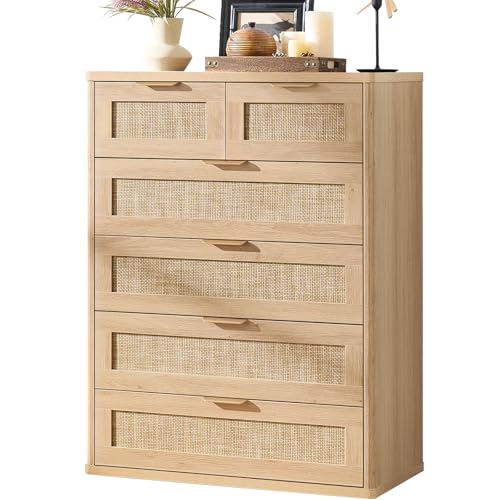
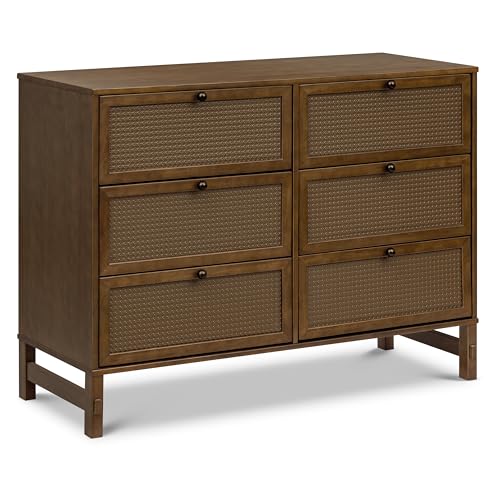
A cane dresser is a chest of drawers that uses woven cane panels as a design feature. Cane comes from rattan, a climbing palm. The outer bark is peeled and split into thin, flexible strips that are woven into a mesh. That mesh is then set into a frame, usually on drawer fronts, side panels, or cabinet doors.
Most cane dressers combine a solid wood or engineered wood frame with cane inserts. The frame and drawer boxes carry the structural load, while the cane adds texture and visual lightness. Because cane is woven rather than carved, it creates a repeating geometric pattern that reads as both traditional and modern depending on the surrounding design.
The weave pattern matters. Common options include:
- Standard open weave: a classic hexagonal or square pattern with visible gaps, offering breathability and a relaxed look.
- Tight weave: a denser pattern with smaller openings, giving a more uniform surface and a slightly more formal appearance.
- Herringbone or chevron cane: a directional weave that adds visual movement and suits mid-century and modern organic interiors.
- Pressed or laminated cane: a flatter, more uniform sheet-like material that is easier to clean but has less tactile texture.
Cane dressers are often confused with rattan dressers. The distinction is that rattan refers to the material family, while cane refers to the split-and-woven form. A dresser may use a solid rattan frame with cane panels, or a wood frame with cane inserts. For a broader look at material choices, see the materials and finishes guide.
Cane Dresser Types and Configurations
Cane dressers come in several configurations, and the right one depends on your room size, storage volume, and styling goals. Here are the main types you will encounter.
Standard double dresser with cane drawer fronts
This is the most common configuration: a wide dresser with six to eight drawers, where the drawer fronts are cane panels framed in wood. It suits primary bedrooms and offers a balanced mix of storage and visual texture. If you are comparing this shape with other wide options, the chest of drawers guide explains the differences in depth.
Cane tall chest or tallboy
A tall, narrow cane chest works well in smaller bedrooms or alongside a bed where floor space is limited. The vertical proportion draws the eye upward and can make a compact room feel taller. Cane panels on a tall chest also break up what could otherwise be a heavy block of wood.
Cane accent chest or small dresser
Small cane dressers with three or four drawers are useful as bedside storage, entryway cabinets, or living room accent pieces. They are often the entry point into cane furniture because the smaller surface area makes the weave easier to maintain.
Cane dresser with doors or mixed storage
Some cane dressers combine drawers with cabinet doors, using cane on the door fronts. This layout suits people who need a mix of folded clothing storage and taller items. The trade-off is that doors require more clearance when opened, so measure your room layout first.
Cane dresser with mirror
A cane dresser with an attached or coordinating mirror adds a grooming station without introducing a separate vanity. The mirror frame can be wood or cane, and the combination is popular in bedrooms that need both storage and a visual focal point.
| Configuration | Best For | Considerations |
|---|---|---|
| Wide double dresser | Primary bedrooms, shared storage | Needs wall width; check drawer glide quality |
| Tall chest | Small bedrooms, narrow walls | Anchor to wall; check stability and drawer depth |
| Small accent chest | Bedside, entryway, living room | Limited volume; verify cane finish durability |
| Drawers plus doors | Mixed clothing and bulky items | Door clearance; interior shelf adjustability |
| With mirror | Bedrooms needing a grooming spot | Mirror attachment security; wall anchoring |
How to Judge Cane Weave and Frame Quality
The quality of a cane dresser is determined by two things: the cane itself and the frame that holds it. A beautiful weave on a weak frame will not hold up, and a sturdy frame with loose cane will look tired quickly.
Weave tension and uniformity
Run your hand lightly across the cane panel. The weave should feel taut and evenly tensioned, with no soft spots or sagging. Look at the pattern from a slight angle: the openings should be consistent in size and shape. Loose or uneven weave is the first sign of lower-grade construction and tends to sag further over time.
Cane thickness and finish
Thicker cane strips generally resist denting and tearing better than thin strips. A protective finish, such as a clear lacquer or oil-based topcoat, helps the cane resist moisture and staining. Unfinished cane is more vulnerable to humidity changes and can dry out or crack. Ask whether the cane has been sealed, and check the product details for a finish description.
Frame material and joinery
The frame should be solid wood or a high-grade engineered wood with reinforced joinery. Check the corners for tight joints and look for corner blocks or dowels that add rigidity. A cane dresser with a flimsy frame may wobble when drawers are opened, which stresses the cane panels. For context on how frame materials compare, the buying guides section covers construction basics.
Drawer boxes and glides
Cane is a decorative surface; the drawers do the daily work. Look for drawer boxes with dovetail or reinforced joints, and glides that open smoothly under load. Side-mounted glides are common at entry level, while undermount soft-close glides are typical of mid-range and premium builds. Test a loaded drawer if you can, or read reviews that mention drawer performance.
Back panels and dust protection
Because cane is breathable, some cane dressers have open or semi-open backs. Check whether the back panel is finished and whether there is a dust board between drawers. A finished back matters if the dresser will be visible from the side or back of the room.
Market Tiers and What They Typically Include
Cane dressers appear across the market, from starter furniture to designer pieces. The descriptors below are relative positioning terms, not fixed categories, and they help you compare construction and finish expectations.
Entry-Level Tier
Essential storage with cane as a decorative accent.
- Engineered wood frame
- Thinner cane panels, standard weave
- Side-mounted drawer glides
- Basic finish on cane and frame
Mid-Range Tier
Balanced construction with better hardware and finishing.
- Solid wood or reinforced frame
- Tighter, more uniform cane weave
- Undermount or soft-close glides
- Sealed cane with protective topcoat
Premium Tier
High-end materials, refined details, and lasting build quality.
- Solid hardwood frame and drawer boxes
- Hand-finished or pattern-matched cane
- Premium soft-close glides and joinery
- Detailed finishing on all visible surfaces
Across tiers, the key differences are frame material, weave consistency, drawer hardware, and surface finishing. A mid-range cane dresser often offers the most noticeable jump in daily usability because the drawer glides and cane finish improve together. Premium tiers focus on joinery and material consistency that extend service life.
Style Pairings and Room Ideas
Cane dressers are versatile because the woven texture sits between rustic and refined. Here is how to use them in different interiors.
Coastal and breezy bedrooms
Cane's natural tone and open weave suit coastal rooms. Pair a cane dresser with white or pale blue walls, linen bedding, and light wood floors. Keep hardware simple and let the texture carry the visual interest.
Bohemian and layered spaces
In bohemian bedrooms, cane dressers work alongside rattan mirrors, layered textiles, and plants. The weave adds pattern without competing with prints. A warm wood tone cane dresser anchors the room while softer accessories add personality.
Modern organic and Scandinavian
Minimalist rooms benefit from cane's texture, which prevents a clean-lined dresser from feeling flat. Choose a dresser with a light wood frame and a tight weave for a calm, modern organic look. Keep the top surface uncluttered and use one or two sculptural objects.
Mid-century inspired bedrooms
Cane was widely used in mid-century furniture, and a cane dresser with tapered legs and warm wood tones fits that aesthetic naturally. Pair with walnut or teak tones and simple metal hardware. For more inspiration, browse the room ideas collection.
Small rooms and apartments
Because cane is visually lighter than a solid painted front, a cane dresser can make a compact room feel less crowded. A tall narrow cane chest is often the best choice for apartments where floor space is tight.
Cleaning, Maintenance, and Durability
Cane is durable when it is properly finished and kept in a stable environment. The main risks are excess moisture, prolonged direct sun, and physical stress on loose weave.
Routine cleaning
- Dust the cane weekly with a soft brush or a vacuum brush attachment on low suction.
- Wipe the frame with a slightly damp cloth, then dry immediately with a soft towel.
- Avoid spraying cleaning products directly onto the cane; apply to a cloth first.
- Do not soak the cane or let water pool in the weave openings.
Humidity and sunlight
Cane responds to humidity changes. In very dry conditions, cane can become brittle; in very damp conditions, it can sag or develop mildew. Keep the dresser away from radiators, heating vents, and prolonged direct sunlight. In humid climates, a dehumidifier in the room helps maintain the weave tension.
Preventing sag and damage
Do not place heavy objects directly on unsupported cane panels. If a cane panel develops a small amount of sag, reducing load and restoring stable humidity often helps. For deeper damage, consult a furniture restorer rather than applying DIY repairs that could worsen the weave.
Long-term durability
With normal use, a well-made cane dresser can last many years. The most common wear points are the cane on high-use drawers and the finish on the top surface. Choosing a dresser with a sealed cane finish and a durable top coat reduces maintenance over time.
Cane Dresser Buying Checklist
Before You Choose a Cane Dresser
- Measure your wall space, including clearance for drawers and doors.
- Check that the cane weave is taut, uniform, and evenly tensioned.
- Confirm the frame material and look for reinforced joinery.
- Test or review the drawer glides under load.
- Verify that the cane has a protective finish.
- Check whether the back panel is finished if the dresser will be visible.
- Plan for wall anchoring, especially with tall cane chests.
- Match the weave pattern and wood tone to your existing bedroom style.
If you are still deciding between a cane dresser and other storage styles, the dresser types overview compares shapes and configurations. For small bedrooms, the chest of drawers guide also covers narrow and tall options that pair well with cane fronts.
Frequently Asked Questions About Cane Dressers
Is a cane dresser strong enough for daily use?
Yes, when the frame and drawer boxes are well built. The cane itself is a decorative panel, while the structural strength comes from the frame and joinery. Choose a dresser with a solid or reinforced frame and check that the weave is tight and well finished.
Does cane furniture suit modern bedrooms?
Cane works well in modern organic, Scandinavian, and minimalist bedrooms because it adds texture without heavy visual weight. A tight weave and a clean-lined frame keep the look contemporary rather than rustic.
How do I stop cane from sagging?
Keep the dresser in a stable humidity environment, avoid placing heavy items directly on unsupported cane, and choose a dresser with taut, evenly tensioned weave. Reducing load and maintaining consistent indoor humidity helps preserve the weave shape.
Can cane dressers be painted or refinished?
Cane can be painted, but it requires careful preparation because the weave has many small surfaces. Light sanding, a suitable primer, and thin coats of paint work best. For antique or high-value pieces, consult a professional before refinishing.
Where should a cane dresser be placed in a bedroom?
Place it against a wall with enough clearance to open drawers fully, away from direct heat and prolonged sunlight. In small rooms, a tall cane chest beside the bed or opposite the bed works well. Anchor tall pieces to the wall for safety.