Low and Wide Chest of Drawers: The Complete Guide
Everything you need to know about choosing a low, wide dresser that maximizes storage, keeps your bedroom feeling open, and fits the way you actually live.
START READINGWhy low and wide? A low and wide chest of drawers puts folded clothing, linens, and everyday essentials within easy reach while keeping sightlines open. This guide walks you through dimensions, drawer layouts, materials, safety, and styling so you can buy with confidence.
What Makes a Chest of Drawers "Low and Wide"?
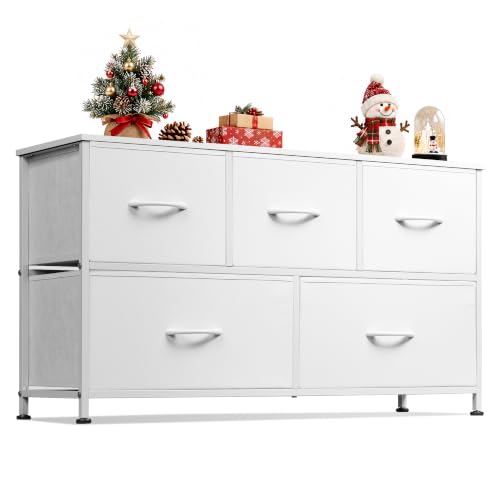
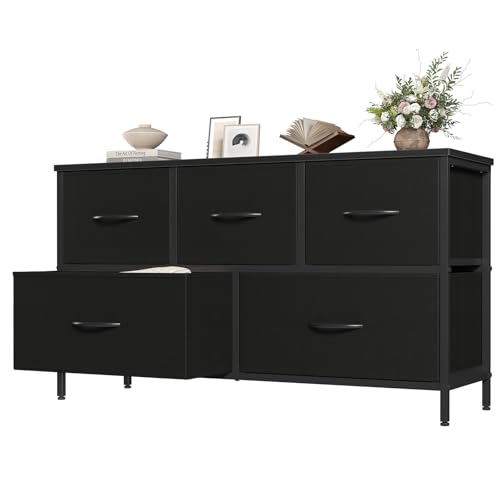
A low and wide chest of drawers is a storage piece whose width clearly exceeds its height. Where a tall chest stacks drawers vertically, a wide dresser spreads them horizontally across a broad footprint. The result is a piece that feels grounded in the room, keeps the top surface at a comfortable reach, and offers long, spacious drawers ideal for folded clothing and bulky items.
This format is closely related to the classic chest of drawers low and wide category and overlaps with lowboy-style furniture. It suits bedrooms where a tall piece would crowd the space, and it works especially well beneath windows, along a long wall, or as a dual-purpose console.
Typical Height
Usually shorter than a standard chest, keeping the top surface within easy reach for most adults and older children.
Typical Width
Broader than a standard dresser, often spanning a long stretch of wall to deliver generous drawer space.
Best For
Foldable clothing, linens, media consoles, entryway storage, and rooms that need an open, airy feel.
Dimensions and Proportions to Consider
Because "low and wide" describes a proportion rather than a fixed size, exact measurements vary by manufacturer. Use the following principles to judge whether a given piece fits your room and your needs.
- Height relative to the bed: A low wide dresser often sits lower than the top of a mattress, which keeps the room visually calm and makes the top surface usable as a nightstand extension.
- Drawer depth: Deep drawers are excellent for sweaters and bedding, while shallower drawers keep smaller items from getting lost. A mix of both is usually the most practical.
- Clearance in front: Allow enough floor space for drawers to open fully. Long drawers need more forward clearance than narrow ones.
- Wall length: Since wide dressers occupy more horizontal space, measure the wall carefully and leave breathing room on both sides.
If you are still comparing formats, our guide to chest dressers with deep drawers explains how drawer depth affects usability in practice.
Drawer Layouts: How Many and What Shape?
The drawer configuration matters as much as the overall footprint. Low and wide chests of drawers typically fall into a few common layouts:
| Layout | Best For | Things to Check |
|---|---|---|
| Two wide drawers stacked | Bulky items, bedding, and shared storage | Drawer weight capacity and glide quality |
| Three drawers in two columns | Balanced everyday storage for one or two people | Consistent drawer spacing and alignment |
| Four to six shallow drawers | Folded shirts, accessories, and organization systems | Drawer dividers and interior finish |
| Mixed deep and shallow | Versatile storage with clear zones | Labeling and divider compatibility |
For pieces with especially roomy compartments, see our notes on a chest of drawers with large drawers to understand how capacity translates into real-world organization.
Materials and Construction Quality
A wide dresser carries more load across its span, so construction quality deserves extra attention. The material and joinery determine how the piece holds up over years of daily use.
Solid Wood
Oak, walnut, maple, cherry, and pine are common choices. Solid wood offers durable construction and can be refinished over time. Oak and walnut sit comfortably in the premium and luxury tiers, while pine is often found in entry-level and mid-range pieces. Our chest of drawers tall guide contrasts how solid wood performs in different formats.
Engineered Wood and Veneers
Engineered wood with quality veneers can be a solid choice in the mid-tier, especially when the core is dense and the edges are properly banded. Check that drawer boxes are sturdy and that the back panel is reinforced, since wide spans benefit from additional bracing.
Hardware and Glides
Metal drawer slides, dovetail or dowel joinery, and smooth-operating pulls all matter more in a wide piece. A mid-range model usually offers smoother mechanisms than an entry-level one, while top-tier and professional-grade pieces often include soft-close glides and solid metal hardware.
If hardware is a priority, explore our guide to mid-century modern cabinet pulls for style ideas that suit wide dressers.
Styles That Suit a Low Wide Dresser
The wide format pairs well with a range of interior styles. Consider how each look affects the room's overall feel:
- Mid-century modern: Tapered legs, clean lines, and warm wood tones keep the silhouette light despite the width.
- Farmhouse and rustic: Planked details and painted finishes lend character to a broad, low profile.
- Modern and minimalist: Handleless drawers and flat fronts create a streamlined look that suits compact rooms.
- Scandinavian: Pale wood and simple hardware emphasize the airy, functional feel of a low wide dresser.
For a closer look at two related formats, compare the chest of drawers set of 2 option against a single wide piece, and review our chest of drawers and matching nightstand pairing for a coordinated bedroom.
Where to Place a Low Wide Chest of Drawers
Placement determines how well a wide dresser works in practice. Common setups include:
- Along a long wall: The classic arrangement, leaving room for art or a mirror above.
- Under a window: A lower profile keeps the sill clear and preserves natural light.
- As a media console: The broad top surface works well for a television or display objects.
- In a walk-in closet: Wide dressers make efficient use of closet walls; see our guide to a chest of drawers to fit in closet for planning tips.
- In a living room: A low wide dresser can serve as a sideboard-style storage piece; our chest of drawers for living room article covers this use.
Safety and Anti-Tip Essentials
Every dresser should be anchored to the wall, and wide dressers are no exception. A broad footprint improves stability, but drawers pulled open at the same time can still shift weight forward. Follow these practices:
- Install the manufacturer's anti-tip strap or wall anchor.
- Check that drawers have stops to prevent them from being pulled out completely.
- Avoid placing heavy objects on the top front edge.
- Keep the heaviest items in lower drawers.
- Recheck anchors periodically, especially in households with children.
For nursery-specific guidance, see our article on a chest of drawers for children's room.
Organizing a Wide Dresser Effectively
Wide drawers reward good organization. A few practical habits make a big difference:
- Use drawer dividers to create zones for shirts, socks, and accessories.
- Fold clothing in a way that lets you see every item at a glance.
- Reserve deep drawers for bulky items and seasonal clothing.
- Rotate seasonal items to keep everyday pieces accessible.
- Line drawers to protect the interior and reduce movement.
Our bureau drawer liners guide offers practical suggestions for protecting drawer interiors.
A Practical Buying Checklist
Before you commit to a low wide chest of drawers, run through this checklist:
- Measure the wall, the floor clearance, and the path to the room.
- Confirm drawer depth and layout match what you plan to store.
- Check joinery, glides, and hardware quality.
- Verify the piece includes an anti-tip kit.
- Consider the finish and how it fits your existing furniture.
- Read our broader buying guides for additional context on comparing dressers.
Frequently Asked Questions
What is the difference between a low and wide chest of drawers and a standard dresser?
A low and wide chest of drawers is shorter in height and broader in width than a standard dresser. This layout keeps the top surface within easy reach, provides long drawers for folded clothing, and creates a generous display area while maintaining a low visual profile in the room.
How many drawers should a low wide dresser have?
Most low and wide chests of drawers feature four to six drawers arranged in two or three columns. Fewer, deeper drawers suit bulky items like sweaters and linens, while more, shallower drawers work well for folded shirts and accessories.
Is a low wide dresser safe for a nursery or children's room?
A low wide dresser can be a good fit for a nursery because the lower height keeps the top surface accessible. However, any dresser must be anchored to the wall with an anti-tip strap, and drawers should have stops to prevent them from pulling out completely.
What materials are best for a wide chest of drawers?
Solid wood such as oak, walnut, maple, and pine offers durable construction and long-term appeal. Engineered wood with quality veneers can be a solid choice in the mid-range tier, while premium and luxury tiers typically feature solid hardwood frames, dovetail joinery, and high-grade hardware.
Can a low wide dresser double as a TV stand or console?
Yes. The broad, low profile of a wide chest of drawers makes it a natural fit as a media console or entryway storage piece. Check the weight capacity of the top and confirm that the drawers open without interfering with other furniture.
Ready to Compare Low and Wide Chest of Drawers?
Review our curated selection of wide dressers and storage pieces, all chosen for practical layouts, durable construction, and everyday usability.
View Recommended Options