Affordable Dressers for Bedroom: Smart Storage Guide
Discover entry-level to mid-range dressers that deliver durable construction, efficient drawer layouts, and timeless style for your bedroom.
DresserAdvisor Insight: Finding a well-built dresser that fits your space and storage needs is easier when you understand tier differences. This guide walks you through materials, drawer mechanics, and layout choices so you can pick a dresser that performs well for years.
Why Understanding Dresser Tiers Matters
When you are searching for a bedroom dresser, the term "affordable" can be misleading. Instead of focusing on a single number, it helps to think in terms of market tiers: entry-level, mid-range, and premium. Each tier offers different balances of material quality, joinery, and hardware. An entry-level dresser may use engineered wood with metal glides, while a mid-range model often steps up to solid wood components, dovetail joints, and soft-close mechanisms. Understanding these distinctions lets you choose a piece that matches your expectations without overpaying for features you do not need.
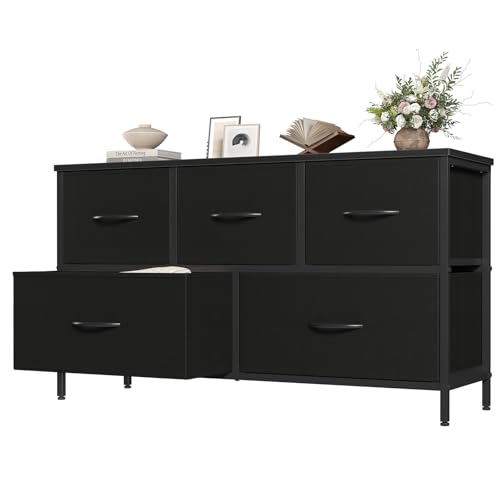
For bedroom use, the key is to prioritize durable construction and smooth drawer operation. A well-specified entry-level dresser can last many years if it has reinforced drawer bottoms and a stable frame. Mid-range dressers typically add refinements like felt-lined top drawers and heavier-duty slides. If you are furnishing a guest room or a first apartment, an entry-level 5-drawer dresser is a practical starting point. For primary bedrooms, a 6-drawer dresser or 8-drawer dresser offers more organization without stepping into premium territory.
Materials That Balance Durability and Value
The material of a dresser directly affects its longevity and visual appeal. Engineered wood, such as MDF or particleboard with a veneer, is common in entry-level and mid-range dressers. High-quality engineered wood with reinforced corners can be quite durable, especially when paired with solid wood drawer fronts. Solid wood dressers, including oak, pine, and acacia, sit higher in the tier structure but offer repairability and a natural grain that many buyers prefer. If you want a natural look, consider a 5 drawer oak chest of drawers or a 5 drawer pine chest of drawers; both are solid choices for bedroom storage.
For a cohesive bedroom set, a 5 drawer dresser and nightstand set often provides matching finishes and hardware, which simplifies decorating. If you need a taller profile for a compact footprint, a 6 drawer chest of drawers tall maximizes vertical storage. Always check the drawer bottoms and back panels; a solid build in these areas signals better durability within any tier.
Sizing Your Dresser for the Bedroom
Room dimensions dictate the right dresser size. A standard bedroom can accommodate a 50 inch wide dresser or a 60 inch wide dresser along a main wall, leaving clearance for walking and closet doors. For smaller rooms, a 6 drawer dresser 48 inches wide offers generous storage without dominating the space. If you have a narrow alcove, a 6 drawer dresser tall uses vertical space efficiently.
Consider the height of your bed and the position of windows. A dresser that is too tall can block natural light, while one that is too low may feel disproportionate. For a balanced look, a 6 drawer double dresser provides a wide top surface for decor and a mirror. If you need a dresser for a nursery or guest room, a 6 drawer changing table dresser adds functionality. Remember to measure doorways and stairwells before ordering; some 6 drawer dresser already assembled options are convenient but may be harder to maneuver.
Choosing the Right Drawer Count
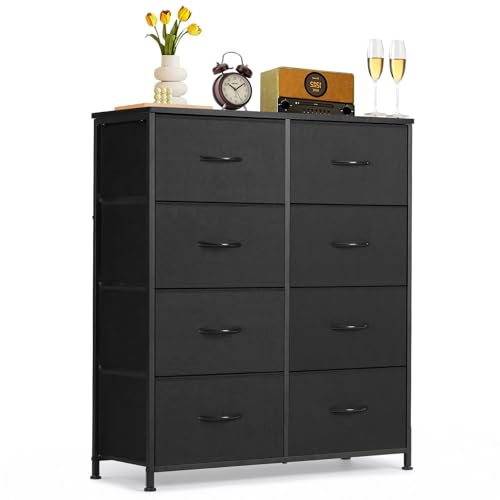
Drawer count is about organization as much as capacity. A 5 drawer dresser works well for a single adult who needs separate spaces for tops, bottoms, and accessories. Couples often prefer a 6 drawer dresser or a 7 drawer dresser to keep belongings separate. For larger households or those who fold a lot of clothing, a 8 drawer dressers for bedroom offers ample room. If you need a dedicated space for jewelry or small items, a 9 drawer dresser provides extra compartments.
Drawer depth matters too: deeper drawers suit bulky sweaters, while shallow drawers are ideal for socks and delicates. A 6 drawer wood dresser often combines both. For a minimalist setup, a 6 drawers configuration without a mirror keeps the look clean. If you want a cohesive set, a 6 drawer dresser and nightstand set or an 8 drawer dresser and nightstand set simplifies shopping.
Style and Finish Considerations
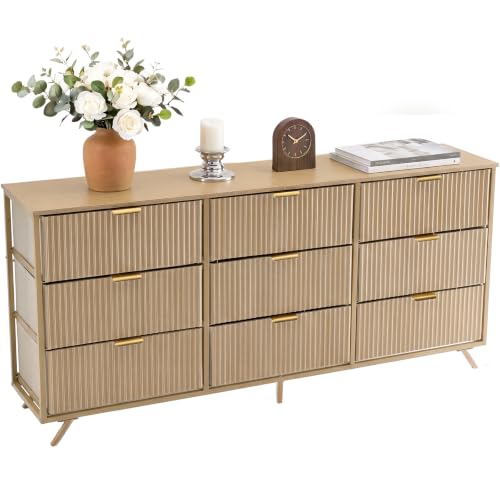
Style is personal, but certain finishes and silhouettes offer timeless appeal. A 6 drawer dresser mid-century modern brings clean lines and tapered legs, while an 8 drawer mid-century modern dresser adds storage without visual heaviness. White finishes brighten a room; a 6 drawer chest of drawers white is a versatile choice for many decors. Natural wood tones, such as an acacia dresser or acorn dresser, add warmth.
Hardware can elevate an entry-level piece. Look for reinforced drawer slides and solid pulls; these details often separate a well-specified mid-range dresser from a basic entry-level model. If you prefer a unified look, consider a 6 drawer dresser with matching nightstand or an affordable dresser and nightstand set for coordinated bedroom furniture.
Common Pitfalls to Avoid
One common mistake is prioritizing drawer count over drawer quality. A dresser with many shallow drawers may be less useful than one with fewer, deeper drawers. Another pitfall is overlooking assembly requirements; a 6 drawer dresser already assembled can save time, but check dimensions and delivery access. For those who prefer solid wood, a 6 drawer chest of drawers solid wood or a 5 drawer chest of drawers solid wood is a worthwhile investment in durability.
Finally, do not ignore the dresser's back panel and dust covers. A finished back allows placement away from walls, which is useful in open bedroom layouts. For a guest room or secondary bedroom, an affordable mid century modern dresser or a 8 drawer dresser tall can be a stylish, space-efficient solution.
Frequently Asked Questions
What makes a dresser a good value for its tier?
A good value dresser in any tier offers solid joinery, smooth drawer glides, and durable materials relative to its class. Entry-level models should have reinforced drawer bottoms and stable frames, while mid-range models often include dovetail joints and premium hardware.
How many drawers do I need for a bedroom dresser?
For a single adult, a 5-drawer dresser usually suffices. Couples often need 6 to 8 drawers, while a 3-drawer dresser works well for a guest room or small bedroom. Consider drawer depth and height as much as the count.
Are entry-level dressers durable enough for daily use?
Many entry-level dressers are durable enough for daily use when they feature engineered wood with reinforced corners and metal drawer glides. Check weight capacity and assembly quality to ensure longevity.
What is the difference between a dresser and a chest of drawers?
A dresser is typically wider and lower, often used with a mirror, while a chest of drawers is taller and narrower. Both serve similar storage purposes; the choice depends on room layout and storage volume needed.
Final Thoughts
Choosing a dresser for your bedroom is a balance of storage needs, room size, and construction quality. By focusing on tier descriptors rather than specific numbers, you can find a piece that offers good value for its class. Whether you lean toward an entry-level 5 drawer dresser wood or a mid-range 6 drawer wood chest of drawers, prioritize durable construction and smooth drawer operation. For a complete bedroom refresh, explore matching sets like the 8 drawer double dresser or a 6 drawer dresser and nightstand to create a cohesive space.