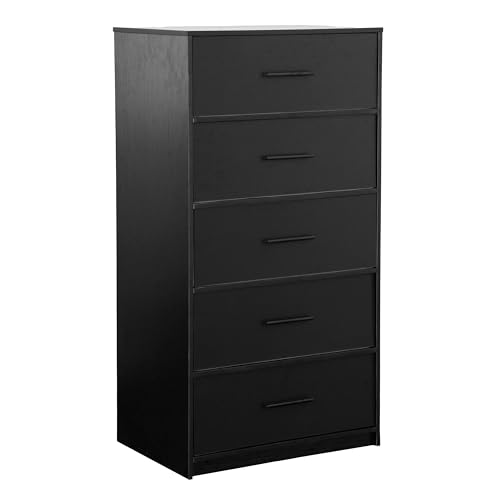
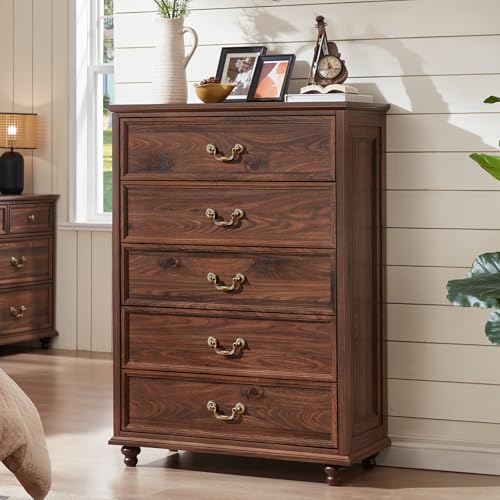
A 5 drawer chest of drawers in solid wood is one of the most versatile storage pieces you can add to a bedroom. Five drawers strike a practical balance: enough capacity for clothing, linens, and everyday essentials, yet compact enough to fit rooms where a wide dresser would overwhelm the floor plan. Unlike composite or veneered furniture, a solid wood chest offers genuine structural integrity, repairability, and a surface that can be refinished rather than replaced.
This guide walks you through the decisions that matter most when shopping for a five-drawer wooden chest of drawers — the wood species, drawer joinery, hardware, dimensions, and how to match the piece to your room. By the end, you should feel confident comparing models and recognizing which tier of construction fits your long-term needs.
Quick orientation: A five-drawer chest usually sits in the mid-range to premium segment of bedroom furniture. Solid hardwood construction places a chest above entry-level engineered wood models, while hand-finished or heirloom-grade pieces sit at the top-tier. If you are still weighing chests against wider dressers, our guide to dresser vs chest of drawers explains the difference in depth.
Why Choose a Five-Drawer Chest in Solid Wood?
Five-drawer chests are a popular configuration for good reason. The vertical footprint keeps floor space open, which matters in smaller bedrooms, apartments, and guest rooms. At the same time, five drawers provide enough separation to organize clothing by category — tops, bottoms, undergarments, sleepwear, and accessories can each have their own drawer without the chest becoming a tower that dominates the wall.
Solid wood adds another layer of value. A chest built from solid hardwood — rather than particleboard wrapped in veneer — resists sagging under load, holds screws and drawer slides more securely, and can be sanded and refinished if the finish wears over time. That makes a well-built five-drawer solid wood chest a long-term investment rather than a disposable purchase.
Wood Species: Which Solid Wood Is Right for You?
The wood species affects durability, grain character, weight, and how the piece ages. Here is how the most common options compare for a five-drawer chest:
| Wood Species | Durability & Character | Best For |
|---|---|---|
| Oak | Heavy-duty, open grain, excellent wear resistance | High-traffic bedrooms, family homes, rustic and farmhouse styles |
| Maple | Dense, fine grain, takes paint and stain evenly | Modern and minimalist interiors, painted finishes |
| Walnut | Premium hardwood, rich tone, stable and long-lasting | Mid-century and contemporary bedrooms, statement pieces |
| Pine | Lighter weight, softer surface, distinctive knots | Entry-level solid wood, cottage and coastal decor |
| Mahogany / Cherry | Traditional grain, deepens in color over time | Formal and classic bedrooms, heirloom-style furniture |
If you love warm, honey-toned wood, a solid oak dresser with mirror or a five-drawer oak chest is a durable starting point. For a darker, more contemporary look, walnut is the premium choice. Pine sits at the entry-level end of solid wood — still genuine timber, but softer and more prone to dents than hardwood.
Drawer Construction: What Separates Mid-Range from Premium
The drawer box is where quality differences become obvious. On entry-level chests, drawer sides are often thin and joined with staples or simple butt joints. Move up to mid-range, and you typically find dovetail or doweled joinery, thicker sides, and a smooth-running slide mechanism. At the high-end tier, expect hand-cut dovetails, solid wood drawer bottoms, and soft-close or fully extendable slides.
- Dovetail joinery: Interlocking joints at the drawer corners — a hallmark of durable, long-lasting construction.
- Drawer slides: Side-mounted rollers are common at entry-level; ball-bearing and under-mount slides offer smoother, quieter operation at mid-range and above.
- Soft-close mechanism: Drawers glide shut without slamming — a feature that protects both the drawer and the frame over years of use.
- Drawer bottoms: Solid wood or thick plywood bottoms resist bowing under heavy loads better than thin hardboard.
If quiet, smooth operation matters to you, look specifically for a soft-close dresser or a model that lists under-mount slides. For heavier storage needs, a heavy-duty dresser with reinforced drawer boxes is worth considering.
Sizing a Five-Drawer Chest for Your Bedroom
Five-drawer chests come in two broad shapes: tall and narrow (sometimes called a tallboy) or shorter and wider. Measure your room before you commit — a chest that is too deep can block walking paths, and one that is too tall may crowd artwork or windows.
- Height: Tall five-drawer chests often run roughly 45 to 55 inches high; low-profile chests sit closer to 30 to 36 inches. A 30-inch tall chest of drawers works well under windows.
- Width: Narrow five-drawer chests can be as compact as 24 to 30 inches wide, making them ideal for small bedrooms and guest rooms.
- Depth: Standard depth is around 16 to 18 inches; deeper drawers suit bulky sweaters and linens.
Leave at least 24 to 30 inches of clearance in front of the chest so drawers can open fully. For compact rooms, a small chest of drawers or a shallow chest of drawers can be a smarter fit than a full-depth model.
Hardware, Finish, and Style Considerations
Hardware is easy to overlook, but it shapes both the look and the feel of the chest. Solid brass and heavy-duty metal pulls feel substantial in the hand and age gracefully. At the mid-range level, expect well-finished metal pulls; at the premium level, hand-finished hardware and joinery details become part of the appeal.
Finish matters too. A natural oil or hardwax finish highlights grain and can be spot-repaired; a painted or lacquered finish offers a more uniform look. Painted solid wood chests are popular in modern and cottage interiors, while natural wood tones suit Scandinavian and mid-century rooms. If you are planning a full bedroom refresh, our mid-century dresser guide and rustic brown dresser overview can help you match the chest to a broader design direction.
How to Organize Five Drawers Efficiently
Five drawers give you natural zones. A common approach is: top drawer for undergarments and socks, second for tops and t-shirts, third for bottoms, fourth for sleepwear or workout clothing, and the bottom drawer for bulky items like sweaters or spare linens. Drawer dividers and shallow inserts keep small items from sliding around, and folding clothes vertically — the file-fold method — makes every item visible at a glance.
Rotate seasonal clothing so that the drawers you open most often hold what you wear right now. Heavier winter items can move to the bottom drawer or to under-bed storage during warmer months. For a deeper walkthrough, see our dresser organization guide.
Five-Drawer Chest vs Other Storage Configurations
A five-drawer chest is not the only option, and comparing configurations helps you choose with confidence:
- Three-drawer chest: Fewer, larger drawers — good for bulky items but less flexible for separating clothing categories.
- Six-drawer dresser: More capacity, but often wider; better for couples or larger bedrooms.
- Tallboy chest: Same drawer count in a taller, narrower frame — ideal when floor space is limited.
- Chest with mirror: Adds a grooming station; a dresser with mirror and chair combination can replace a separate vanity.
If you are furnishing a full bedroom, matching sets simplify the look. A 5 drawer dresser and nightstand set or a broader 3 piece dresser set keeps wood tone and hardware consistent across the room.
What to Check Before You Buy
Before finalizing a purchase, run through this checklist:
- Confirm the wood is solid — check product details for species names and ask whether drawer fronts, sides, and top are solid or veneered.
- Inspect joinery descriptions — dovetail or doweled joints signal sturdier construction than stapled butt joints.
- Verify drawer slide type — ball-bearing or under-mount slides outperform basic side rollers.
- Measure your space — including doorways and stairwells, since a solid wood chest is heavy and may arrive fully assembled.
- Check stability features — anti-tip hardware is essential, especially in homes with children.
- Review the finish — oil, lacquer, or paint each require different care and cleaning routines.
Assembly note: Some solid wood chests ship fully assembled, which is convenient but heavier to move. If you prefer a piece that arrives ready to use, explore fully assembled chest of drawers options and confirm the delivery path before ordering.
Frequently Asked Questions
Is a 5 drawer chest of drawers in solid wood worth it compared to engineered wood?
Solid wood typically sits above engineered wood in durability and repairability. It resists sagging, holds hardware more securely, and can be refinished. Engineered wood may suit entry-level needs, but a solid wood chest is generally the stronger long-term investment.
How tall is a five-drawer chest?
It depends on the configuration. Tall five-drawer chests often range from roughly 45 to 55 inches high, while low-profile models sit around 30 to 36 inches. Always check the listed dimensions for the specific model.
Which solid wood is best for a bedroom chest?
Oak and maple offer excellent durability for everyday use. Walnut and cherry sit at the premium end with rich grain and stability. Pine is a softer entry-level solid wood best suited to lighter use.
Do five-drawer chests need to be anchored to the wall?
Yes — anchoring with anti-tip hardware is strongly recommended, particularly in homes with children or pets. Even a stable chest can tip if drawers are left open and weight shifts.
Can a solid wood chest be repainted or refinished?
Yes. Solid wood can be sanded and refinished, or repainted with proper preparation. This is one of the main advantages over veneered or composite furniture, which cannot be sanded down as easily.
Final Thoughts
Choosing a 5 drawer chest of drawers in solid wood comes down to matching wood species, drawer construction, and dimensions to the way you actually live. Focus on dovetail or doweled joinery, smooth slides, and a species that suits your room's style — oak for durability and character, walnut for a premium look, maple for a clean modern finish, or pine for an entry-level solid wood option. Measure carefully, anchor the chest securely, and organize the five drawers by category so the piece stays functional for years.
Once you have narrowed your shortlist, compare the details side by side and check availability on the models that fit your space and construction standards.