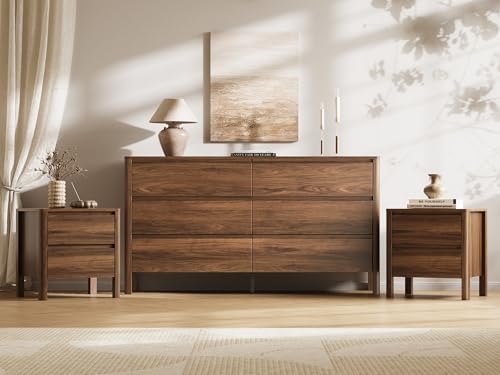
Affordable Dresser and Nightstand Set: The Complete Guide
Everything you need to know before choosing a matching dresser and nightstand set for your bedroom — from sizing and materials to drawer quality and style coordination.
Why a Matching Set Makes Sense: A coordinated dresser and nightstand set eliminates the guesswork of mixing finishes, proportions, and hardware. It creates a cohesive bedroom look while simplifying your shopping process. This guide helps you navigate the options across entry-level, mid-range, and premium tiers so you can make a confident decision.
Why Choose a Dresser and Nightstand Set?
Buying a matching dresser and nightstand set offers several practical advantages over purchasing individual pieces. The most obvious benefit is visual consistency — the finish, hardware style, and wood tone are guaranteed to match, which is surprisingly difficult to achieve when sourcing separate items from different collections or manufacturers.
Beyond aesthetics, sets are designed with proportional relationships in mind. The nightstand height typically aligns with the dresser's visual weight, and the drawer pull style repeats consistently across both pieces. This design coherence is especially valuable in smaller bedrooms where mismatched furniture can make the space feel cluttered.
From a shopping standpoint, sets often provide better overall value for the tier compared to buying each piece separately. Retailers and manufacturers bundle these collections to encourage complete room purchases, which means the combined set is usually positioned more competitively than the sum of its individual components. If you are still exploring individual options, you may want to compare this approach with standalone pieces like a 6-drawer dresser and nightstand combination or a 5-drawer dresser and nightstand set.
What to Look For in a Dresser and Nightstand Set
Not all sets are created equal. The quality gap between entry-level and mid-range sets is significant, and understanding where the differences lie helps you avoid disappointment after delivery. Here are the critical factors to evaluate:
1. Drawer Glide Mechanism
Drawer glides are the most important functional component of any dresser. Entry-level sets typically use basic side-mounted roller glides, which work but can feel rough and may sag over time under heavy loads. Mid-range sets usually upgrade to ball-bearing side glides or center metal glides, offering smoother operation and better weight capacity. Premium and high-end tier sets often feature full-extension, soft-close under-mount glides that allow complete access to the drawer interior.
When shopping, look for glides rated for the drawer's intended load. A nightstand drawer holding a book and glasses has different requirements than a dresser drawer storing folded denim. If the product description does not mention glide type, that is usually a sign of a lower-tier component.
2. Material and Construction
The material determines durability, weight, and how the set will age. Here is a tier-based breakdown:
- Entry-level tier: Particle board or MDF with paper laminate or thin veneer. Adequate for light use, but edges can chip and moisture resistance is limited. Drawer boxes are often stapled or glued rather than joined.
- Mid-range tier: Engineered wood core with quality wood veneer or solid wood fronts. Drawer boxes use dovetail or box joints. Back panels are thicker and more rigid. This tier offers the best balance of durability and design variety.
- Premium tier: Solid wood construction (oak, pine, walnut, maple) with dovetail drawer joints throughout. These sets are repairable, refinishable, and designed to last decades. They are heavier and require more careful handling during assembly.
Pay attention to the drawer bottom thickness — thin bottoms (under 3mm) tend to bow under weight, while thicker panels (5mm or more) hold their shape. Also check whether the dresser has a finished back panel; unfinished backs are common in entry-level sets and can look unsightly if the dresser is placed away from a wall.
3. Size and Proportion
The dresser should be roughly two-thirds the width of your bed for visual balance. A queen bed (60 inches wide) pairs well with a dresser between 40 and 55 inches wide. A king bed (76 inches wide) can accommodate a wider dresser in the 55 to 70 inch range. If you have a compact room, a tall chest-style dresser preserves floor space while still offering substantial storage.
Nightstand height should be at or slightly below mattress height — typically 24 to 28 inches from the floor for a standard bed. If your bed is taller, look for nightstands with adjustable feet or consider a set designed for platform beds. For more specific sizing guidance, see our 6-drawer dresser with matching nightstand guide and the 5-drawer dresser and nightstand set overview.
4. Finish and Hardware Consistency
The primary advantage of a set is finish consistency. Check that the dresser and nightstand use the same finish lot — in natural wood sets, grain variation between pieces is normal but the stain tone should match. Hardware should be identical in style and finish. Some sets offer interchangeable hardware options, which is a useful feature if you plan to customize later.
If the set includes a mirror, verify that the mirror frame matches the dresser finish and that the mounting hardware is included. Mirror attachment points vary, and a mismatched or missing bracket can turn a simple assembly into a frustrating project.
Dresser and Nightstand Set Comparison by Tier
The table below summarizes what you can typically expect at each quality tier. Use this as a reference when evaluating product listings — the descriptors are relative to the category, not absolute.
| Tier | Best For | Material | Drawer Glides | Construction |
|---|---|---|---|---|
| Entry-level | Guest rooms, dorm spaces, first apartments | Particle board with laminate | Basic side roller glides | Stapled drawer boxes, thin back panel |
| Mid-range | Primary bedrooms, long-term daily use | Engineered wood with veneer, solid fronts | Ball-bearing side glides | Dovetail or box joints, finished back |
| Premium | High-use bedrooms, design-focused spaces | Solid wood (oak, pine, walnut) | Soft-close under-mount glides | Full dovetail joints, solid wood drawer boxes |
| Luxury | Master suites, heirloom-quality furniture | Premium hardwood with hand-finished details | Full-extension soft-close, adjustable | Traditional joinery, hand-fitted drawers |
Within each tier, look for sets that specify their construction details openly. A mid-range set that clearly states dovetail joints and ball-bearing glides is a safer choice than one that omits these details. For a deeper look at specific configurations, explore the 6-drawer dresser and nightstand set options and the 8-drawer dresser and nightstand set collection for larger storage needs.
Sizing Your Dresser and Nightstand Set
Getting the size right is the most common challenge when furnishing a bedroom. A set that looks proportionate in the showroom can overwhelm a small room or feel undersized in a large one. Follow these practical guidelines:
Dresser Width Relative to Bed Size
- Twin bed (38 inches wide): Dresser 30 to 42 inches wide. A compact 5-drawer chest or a 5-drawer dresser works well.
- Full bed (54 inches wide): Dresser 40 to 50 inches wide. A 6-drawer dresser 48 inches wide is a balanced choice.
- Queen bed (60 inches wide): Dresser 45 to 58 inches wide. Consider a 6-drawer dresser 50 inches wide or a 52-inch dresser.
- King bed (76 inches wide): Dresser 55 to 70 inches wide. A 60-inch dresser or 6-drawer dresser 60 inches wide provides ample storage without crowding.
Nightstand Height and Placement
Nightstands should sit at mattress height or slightly below. For a standard bed with a mattress top around 25 inches from the floor, a nightstand between 22 and 26 inches tall is comfortable. Leave at least 18 inches of clearance between the nightstand and the dresser if they are on adjacent walls, and at least 24 inches of walking space between the foot of the bed and the dresser front.
If your room is tight, consider a tall dresser configuration rather than a wide one. A 5-drawer chest of drawers occupies less floor space while still offering substantial storage. Pair it with compact nightstands to maintain proportion.
Style Coordination: Making the Set Work in Your Room
A matching set provides a foundation, but the surrounding elements determine the final look. Here are style considerations for common bedroom aesthetics:
- Modern and contemporary: Look for sets with clean lines, minimal hardware, and neutral finishes. A 6-drawer dresser mid-century modern set brings tapered legs and warm wood tones that work well with modern decor.
- Farmhouse and rustic: Distressed finishes, plank-style drawer fronts, and cup pulls define this style. Sets with solid pine or oak construction age gracefully and suit the farmhouse aesthetic.
- Traditional and transitional: Sets with shaped fronts, bun feet, and classic hardware suit traditional bedrooms. Mid-range and premium tier sets in this style often feature dovetail construction and wood veneer over engineered cores.
- Minimalist: A set with flush drawer fronts, no visible hardware (or very simple pulls), and a single-color finish creates a calm, uncluttered look. Focus on glide quality since you will interact with the drawers daily.
If your style leans toward a specific material, explore the 5-drawer wood chest of drawers or the 6-drawer wood dresser options, which often pair with matching wood nightstands.
Assembly, Care, and Long-Term Maintenance
Most dresser and nightstand sets ship flat-packed and require assembly. Entry-level and mid-range sets typically include all necessary hardware and tools, though a power drill can speed up the process. Premium solid wood sets sometimes arrive partially assembled with only the legs and hardware needing attachment.
Follow these care practices to extend the life of your set:
- Dust regularly with a soft, dry cloth. Avoid silicone-based polishes, which can build up and dull the finish over time.
- Use coasters or felt pads under lamps and decorative items to prevent ring marks and scratches.
- Tighten hardware annually. Drawer pulls and glide screws can loosen with daily use.
- Keep the set away from direct sunlight, which can fade finishes and cause wood to dry unevenly.
- For solid wood sets, use a wood conditioner once or twice a year to maintain moisture balance.
If you are assembling the set yourself, check that all glide tracks are level before tightening the final screws. A misaligned glide is the most common cause of drawers that stick or rub. For pre-assembled options, look for sets labeled as already assembled dressers for sale or already built dressers for sale to avoid the assembly process entirely.
Ready to Compare Your Options?
Browse our curated selection of dresser and nightstand sets below, organized by tier and configuration. Each listing includes key specifications to help you evaluate construction quality and sizing.
Frequently Asked Questions
Final Considerations Before You Decide
A dresser and nightstand set is a practical, design-coherent solution for bedroom storage. The key is matching the set's tier to your usage intensity and design expectations. For a guest room or a space where the furniture sees light use, an entry-level set with basic glides is entirely adequate. For a primary bedroom where drawers open and close multiple times daily, a mid-range set with ball-bearing glides and dovetail joints is a more durable investment.
Before finalizing your choice, double-check the dimensions against your room plan, verify the return policy in case the finish looks different in person, and confirm whether the set includes the mirror if you want one. If you are comparing specific drawer counts, the 6-drawer dresser and nightstand set and 5-drawer dresser and nightstand set pages offer side-by-side specifications that can simplify your decision.