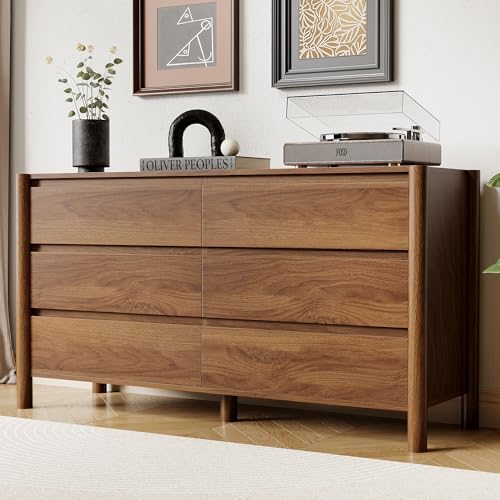
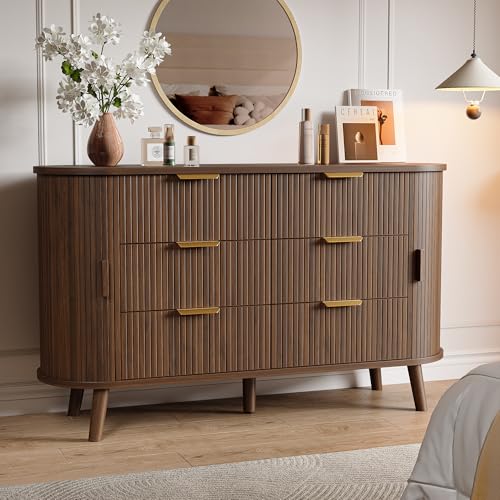
6 Drawer Wood Dresser: The Complete Buying Guide
Everything you need to know about choosing a six-drawer wooden dresser — from wood species and drawer construction to size, style, and long-term durability. Research confidently, then decide with clarity.
Why a 6 drawer wood dresser? Six drawers hit a practical sweet spot in bedroom storage: enough capacity for a couple's folded clothing, linens, and accessories, yet compact enough to fit most bedrooms without dominating the floor plan. A wooden build adds warmth, structural integrity, and the possibility of refinishing or repair over decades of use — something engineered and composite pieces rarely offer.
What Makes a 6 Drawer Wood Dresser Worth Considering
A six-drawer configuration typically splits into two common layouts: three wide drawers stacked over three narrower drawers, or six evenly sized drawers in two columns. The first layout suits folded shirts, sweaters, and bedding; the second works well for organized separation of socks, undergarments, activewear, and accessories. Either way, the drawer count gives you meaningful partitioning without the footprint of an eight- or nine-drawer unit.
Wood construction matters because drawer boxes endure constant friction. Solid wood drawer sides with dovetail or reinforced joinery resist loosening far better than stapled particleboard. If you are weighing materials, our solid wood 6 drawer chest of drawers guide breaks down joinery, grain matching, and finishing quality in detail.
Wood Species: What Each One Means for Your Dresser
The wood species affects weight, grain character, hardness, and how the piece ages. Here is a practical comparison of the most common options found in six-drawer wood dressers:
| Wood Species | Grain Character | Durability | Best For |
|---|---|---|---|
| Oak | Prominent, open grain | High — dense and hard | Family bedrooms, high-traffic use |
| Pine | Knotty, soft, rustic | Moderate — dents more easily | Farmhouse and cottage styles |
| Walnut | Rich, smooth, chocolate tones | High — stable and strong | Mid-century and modern interiors |
| Maple | Fine, subtle, uniform | Very high — hard surface | Minimalist and painted finishes |
| Acacia | Bold contrast, varied tones | High — naturally dense | Rustic and eclectic bedrooms |
If you prefer oak, the five-drawer oak chest of drawers comparison offers useful context on how oak performs in different drawer counts. Pine enthusiasts should review the five-drawer pine chest of drawers breakdown, since pine's softer surface behaves similarly whether the unit has five or six drawers.
For those drawn to warm, natural tones, explore the acacia wood dresser overview to understand how acacia's dense grain holds up in humid and dry climates alike.
Size and Dimensions: Fitting a Six-Drawer Dresser Into Your Room
Six-drawer wood dressers generally fall into three footprint families: wide, standard, and tall. Knowing your available wall space and walking clearance before shopping prevents a delivery-day surprise.
| Footprint Category | Typical Width Range | Typical Height | Best For |
|---|---|---|---|
| Wide / double dresser | 48–60 inches | 30–36 inches | Large bedrooms, couples sharing storage |
| Standard | 36–44 inches | 32–40 inches | Guest rooms, medium bedrooms |
| Tall / chest style | 28–36 inches | 48–60 inches | Small rooms, narrow wall segments |
For a wide layout, review options in the 60-inch wide six-drawer dresser category or the 48-inch wide six-drawer dresser range. If vertical space is your constraint, the tall six-drawer dresser guide explains how tall units trade floor space for height. Mid-century enthusiasts can compare silhouettes in the mid-century modern six-drawer dresser selection.
Clearance Checklist Before You Decide
- Wall width: Leave at least 3–4 inches on each side for drawers to open without scraping walls.
- Drawer extension: A fully open drawer needs roughly 18–22 inches of clear floor space in front.
- Door swing: Confirm the dresser does not block closet or room doors when drawers are extended.
- Walkway: Keep a minimum 24-inch path between the dresser front and the bed or other furniture.
Drawer Construction: The Hidden Quality Signal
The exterior grain gets the attention, but drawer construction determines how the dresser feels after five or ten years of daily use. Look for these markers:
- Dovetail or doweled joinery: Interlocking corners that resist pulling apart far better than stapled or nailed boxes.
- Solid wood drawer sides: At least 1/2-inch thick; thin panels flex and bind over time.
- Metal ball-bearing slides or wooden runners: Ball-bearing slides offer smooth full extension; high-quality wooden runners last generations when waxed.
- Drawer bottoms set in grooves: Captured panels rather than glued or stapled bottoms prevent sagging under heavy loads.
- Dust panels between drawers: A mid-tier and high-end feature that protects clothing from dust and stiffens the case.
If you are comparing a dresser against a chest, our six-drawer chest of drawers overview clarifies how construction priorities shift between the two formats.
Style Directions for Six-Drawer Wood Dressers
Mid-Century Modern
Tapered legs, clean horizontal lines, and warm walnut or teak tones define the mid-century look. These pieces pair well with platform beds and minimal decor. Browse the mid-century modern six-drawer dresser collection for silhouette references.
Traditional and Transitional
Curved fronts, bracket feet, and brass or antique hardware signal traditional styling. Transitional pieces soften ornate details with cleaner lines, making them flexible across bedroom aesthetics.
Rustic and Farmhouse
Reclaimed-look planks, distressed finishes, and dark iron pulls define rustic wood dressers. Pine and acacia are common species here because their grain and knots carry the aesthetic naturally.
Tier Guide: Matching Expectations to Build Quality
Rather than focusing on figures, use this tier framework to align your expectations with what each category typically delivers:
| Tier | Typical Construction | Expected Longevity | Best For |
|---|---|---|---|
| Entry-level | Engineered wood with wood veneer; stapled or cam-lock joinery | 5–8 years with careful use | Guest rooms, temporary setups, first apartments |
| Mid-range | Solid wood fronts over engineered cases; doweled drawers; metal slides | 10–15 years | Primary bedrooms, family homes |
| Premium | Solid wood case and drawer boxes; dovetail joinery; dust panels | 20+ years, refinishable | Long-term investment, heirloom intent |
| Luxury / flagship | Kiln-dried hardwood throughout; hand-fitted drawers; signature hardware | Decades, often passed down | Design-led interiors, collectors |
Mid-range units often deliver the strongest balance of durability and design flexibility, while premium and luxury tiers justify themselves through joinery quality, wood selection, and repairability. A well-built wooden dresser is a long-term investment that outperforms replacement cycles typical of entry-level furniture.
Pairing Your Dresser With Matching Bedroom Furniture
A six-drawer wood dresser anchors a bedroom most effectively when coordinated with a nightstand or a companion piece. Options include a six-drawer dresser with a matching nightstand, a full six-drawer dresser and nightstand set, or a five-drawer dresser and nightstand set if a slightly smaller dresser suits your room better. Matching wood species and finish keeps the visual line consistent.
For primary bedrooms, the six-drawer bedroom dresser guide covers layout planning in more depth, including how to balance a dresser against bed height and window placement.
Assembly, Delivery, and Placement Realities
Six-drawer wood dressers arrive in two common formats: flat-packed for home assembly or fully assembled for white-glove delivery. If you prefer to skip assembly, the already-assembled six-drawer dresser category is worth reviewing. Flat-packed wooden dressers require patience — typically 60–120 minutes — and benefit from a second person to align the case and drawer tracks.
Placement matters too. Wood responds to humidity, so avoid positioning the dresser directly against a heating vent or in a room with persistent dampness. A stable, level floor prevents drawer misalignment; use felt pads under legs on hardwood floors to protect both surfaces.
Frequently Asked Questions
Is a 6 drawer wood dresser big enough for two people?
It can be, especially in the wide 48–60 inch format. Couples typically allocate three drawers each for folded clothing, with shared use of one drawer for linens or accessories. If both partners have extensive wardrobes, an eight-drawer unit or a dresser-plus-closet combination may serve better.
Which wood is best for a bedroom dresser?
Oak, maple, and walnut offer the strongest combination of hardness and stability for daily use. Pine and acacia suit rustic aesthetics; pine is softer and shows dents more readily, while acacia is dense and visually bold. Choose based on style preference and expected wear.
How do I know if a wooden dresser is well built?
Open and close each drawer: smooth, quiet travel with no wobble signals quality slides and aligned boxes. Inspect drawer corners for dovetail or dowel joinery, check that drawer bottoms sit in grooves rather than being stapled, and confirm the case feels rigid when gently pushed at a corner.
Can a six-drawer wood dresser be refinished later?
Yes — solid wood and thick veneer surfaces can be sanded and refinished, which extends the piece's life and allows color updates. Engineered wood with thin veneer has limited refinishing potential, so check surface thickness before planning a makeover.
What is the difference between a 6 drawer dresser and a 6 drawer chest?
Dressers are typically wider and lower, often with a mirror or display surface on top, while chests are taller and narrower with drawers stacked vertically. Both can hold six drawers; the choice depends on floor space, wall height, and whether you want a surface for decor or a mirror.
Ready to Compare Your Options?
Explore our curated selection of six-drawer wood dressers and find the build quality, style, and size that fit your bedroom.
View Recommended Dressers