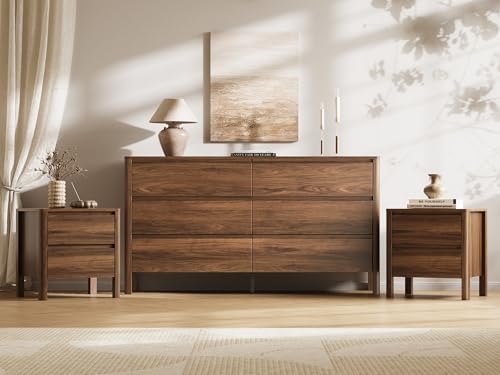
3 Piece Dresser Set: The Complete Buyer's Guide
Everything you need to know about choosing a matching dresser and nightstand set for a coordinated, organized bedroom that looks intentional and functions beautifully.
Why a 3 piece dresser set? A coordinated set eliminates the guesswork of matching finishes, scales, and hardware across your bedroom. It creates visual harmony while ensuring every piece serves a distinct storage purpose. This guide covers sizing, materials, configurations, and practical selection criteria so you can decide with confidence.
What Exactly Is a 3 Piece Dresser Set?
A 3 piece dresser set bundles three coordinated furniture pieces, usually one dresser or chest of drawers plus two matching nightstands. This configuration covers the three primary storage zones in a bedroom: the main dresser for clothing and larger items, and two nightstands for bedside essentials like lamps, books, phones, and reading glasses.
Some manufacturers interpret the three-piece formula differently. A set might include a dresser, a mirror, and a single nightstand. Others bundle a chest of drawers with a dresser and one nightstand. The dresser-plus-two-nightstands arrangement remains the most practical and widely available option because it creates a symmetrical, balanced bedroom layout.
If you prefer a different combination, explore 5 drawer dresser and nightstand sets or browse bedroom sets with dresser and two nightstands to compare configurations beyond the standard three-piece format.
Why Choose a Matching Set Over Individual Pieces?
Buying furniture piece by piece gives you flexibility, but it demands more time and design confidence. A coordinated set delivers several practical advantages that matter during the research phase:
- Design consistency: Matched wood tones, hardware finishes, and edge profiles create a cohesive look without trial and error.
- Proportional harmony: Manufacturers design set pieces to relate to each other in scale. A dresser and nightstands from the same collection typically share height ratios and drawer proportions that feel balanced together.
- Simplified decision-making: One purchase decision replaces three separate ones, reducing the risk of mismatched finishes or clashing styles.
- Delivery and assembly efficiency: Sets often ship together and arrive with consistent hardware and instructions, which simplifies setup.
The trade-off is reduced flexibility. If you already own a nightstand you love or plan to mix eras and styles intentionally, individual pieces may serve you better. For most buyers furnishing a bedroom from scratch, a coordinated set is a well-specified choice for the category.
How to Size a 3 Piece Dresser Set for Your Bedroom
Size is the single most consequential decision in dresser set selection. A set that looks proportionate in a showroom can overwhelm a compact bedroom or feel undersized in a large master suite. Start with measurements, not inspiration photos.
Dresser Width Guidelines
Dressers in three-piece sets typically range from 40 to 72 inches wide. A 40-inch dresser suits smaller bedrooms and pairs well with compact nightstands. Mid-range sets often center on 50 to 60 inch dressers, which provide generous drawer space without dominating a standard wall. If your room is spacious, a 50 inch dresser or a 40 dresser can anchor the room depending on your layout. Larger bedrooms may accommodate a wide dresser configuration that balances a king bed.
Nightstand Dimensions
Nightstands in coordinated sets usually measure 18 to 28 inches wide and 24 to 28 inches tall. The ideal nightstand height falls within a few inches of your mattress top for comfortable reach. Confirm these dimensions before committing, especially if your bed frame sits unusually high or low.
Clearance and Walkway Space
Leave at least 24 to 30 inches of walking clearance between the foot of the bed and the dresser front. Nightstands need roughly 2 to 3 inches of breathing room from the wall to allow drawer operation and cord access. Measure door swings and closet clearance too; a dresser that blocks a closet door creates daily friction.
| Bedroom Size | Suggested Dresser Width | Nightstand Width | Layout Consideration |
|---|---|---|---|
| Small (under 120 sq ft) | 40–48 inches | 18–22 inches | Place dresser opposite the bed; use wall-mounted lighting instead of table lamps if space is tight |
| Medium (120–180 sq ft) | 50–60 inches | 20–24 inches | Dresser on the longest uninterrupted wall; nightstands flank the bed with 2–3 inch wall gaps |
| Large (over 180 sq ft) | 60–72 inches | 22–28 inches | Consider a dresser with mirror or a wider chest to fill the visual space; maintain balanced negative space |
Materials and Construction: What to Look For
Material quality determines how a dresser set ages, how much weight drawers can hold, and how well the finish resists daily wear. Three broad tiers describe most sets on the market:
Entry-Level Tier
Engineered wood with laminate or paper veneer. These sets offer adequate stability for light-to-moderate use and are common in guest rooms and first apartments. Drawer boxes may use stapled joints and thinner panels. Inspect drawer glide smoothness and confirm the set includes anti-tip hardware, especially for children's rooms.
Mid-Range Tier
Engineered wood with real wood veneer or a mix of solid wood fronts and engineered carcasses. These sets typically feature metal drawer glides, dovetail or reinforced box joints, and more consistent finish quality. This tier represents a balanced choice for most households, offering durability without the full commitment of solid wood construction.
Premium and Luxury Tiers
Solid wood construction, often oak, maple, walnut, or mahogany. Look for dovetail drawer joints, full-extension metal glides, and hand-finished surfaces. A solid oak dresser with mirror or a maple dresser in this tier is a long-term investment that can be refinished rather than replaced. Premium sets also tend to include felt-lined top drawers and adjustable levelers for uneven floors.
For buyers who prioritize heirloom durability, browse solid wood dresser options or consider a cedar dresser for natural moisture resistance and aroma. Those seeking a softer, cottage-inspired look might explore cottage dresser styles that pair well with matching nightstands in the same collection.
Style Directions for 3 Piece Dresser Sets
The style of your set should relate to your bed frame, flooring, and overall bedroom aesthetic. A few dominant directions cover most buyer preferences:
Modern and Minimalist
Clean lines, handle-less or slim bar pulls, and neutral finishes. A fluted dresser adds tactile texture without visual clutter. Modern sets often use matte finishes and low-profile nightstands that keep sightlines open.
Mid-Century Modern
Tapered legs, warm wood tones, and understated hardware. A mid-century dresser paired with matching nightstands creates a cohesive retro-modern bedroom. Look for walnut or teak finishes and angled leg profiles.
Traditional and French Provincial
Ornate detailing, carved edges, and antiqued hardware. A French provincial dresser with 9 drawers delivers generous storage with decorative flair. Matching nightstands in this style often feature curved aprons and cabriole legs.
Rustic and Farmhouse
Distressed finishes, plank detailing, and substantial hardware. A rustic brown dresser anchors a farmhouse bedroom when paired with coordinating nightstands in the same weathered finish.
Color Statements
Sets are no longer limited to wood tones. A black lacquer dresser, an emerald green dresser, or a navy blue dresser and nightstand pairing can define a bedroom's personality. Confirm that the finish is consistent across all three pieces, since color matching is one of the main reasons buyers choose sets in the first place.
Drawer Configuration and Storage Capacity
The dresser in your set should match your clothing volume and folding habits. Three common configurations appear across most collections:
- 3-drawer dressers: Suitable for light storage or shared rooms. Consider a 3 drawer pine chest of drawers if you prefer a compact footprint with a natural finish.
- 5 to 6 drawer dressers: The most versatile middle ground. A 5 drawer chest of drawers in solid wood handles folded clothing, linens, and accessories comfortably.
- 8 to 9 drawer dressers: Maximum capacity for households with extensive wardrobes. A 9 drawer dresser works well when closet space is limited.
Also consider drawer depth. Dressers with deep drawers accommodate bulky sweaters and bedding, while shallow drawers suit folded shirts and delicates. Check whether the set includes felt-lined top drawers for jewelry and accessories, and confirm that drawer glides are smooth and rated for the loads you plan to store. A soft-close dresser feature reduces noise and wear in shared bedrooms.
Safety Features to Verify Before Buying
Dresser tip-over incidents remain a documented safety concern, particularly in households with young children. Verify the following before finalizing your purchase:
- Anti-tip hardware included with the dresser and nightstands
- Wall-anchoring instructions in the assembly manual
- Stable base design with levelers for uneven floors
- Drawer stops to prevent accidental pull-out
- Greenguard or equivalent low-emission certification for indoor air quality
- Weight capacity information for each drawer box
If the set is destined for a nursery or child's room, explore small chests of drawers for nursery use and confirm that all pieces meet current stability standards. For households with pets that lean or jump, heavier solid wood sets offer better resistance to tipping than lightweight engineered configurations.
Practical Buying Checklist
Use this checklist during your research to compare sets objectively:
- Measure wall space, door swings, and walkway clearance before shortlisting
- Confirm dresser and nightstand dimensions match your room scale
- Verify material construction and drawer joint type
- Check drawer glide type (metal, soft-close, full-extension)
- Inspect finish consistency across all three pieces
- Confirm anti-tip hardware is included
- Review assembly requirements and time estimate
- Check return policy and delivery logistics for multi-piece shipments
- Read owner reviews focused on long-term durability, not first impressions
Frequently Asked Questions
What is included in a 3 piece dresser set?
Most sets include one dresser or chest of drawers and two matching nightstands. Some configurations swap one nightstand for a mirror or pair a chest with a dresser and a single nightstand. Always confirm the exact bundle contents before purchasing.
How do I choose the right size 3 piece dresser set?
Measure your available wall space and walkway clearances first. Dressers in these sets typically range from 40 to 72 inches wide, with nightstands at 18 to 28 inches. Leave 24 to 30 inches of walking clearance around the bed and 2 to 3 inches between nightstands and walls.
Are matching sets better than buying individual pieces?
Sets offer design consistency, matched finishes, and coordinated proportions that are difficult to replicate piece by piece. Individual pieces offer more flexibility if you plan to mix styles or already own furniture you want to keep. For a cohesive bedroom furnished from scratch, a matching set is a solid choice for its tier.
What materials should I prioritize in a dresser set?
Solid wood construction with dovetail joints and metal glides represents the premium tier. Mid-range sets often use engineered wood with quality veneers and reinforced joints, offering a balanced choice. Entry-level engineered wood with laminate finishes suits light use and guest rooms.
Do I need anti-tip hardware for a dresser set?
Yes. Anti-tip anchoring is strongly recommended for all dressers and nightstands, especially in homes with children or pets. Confirm that hardware is included and follow the installation instructions precisely. Wall anchoring is a simple step that significantly reduces tip-over risk.