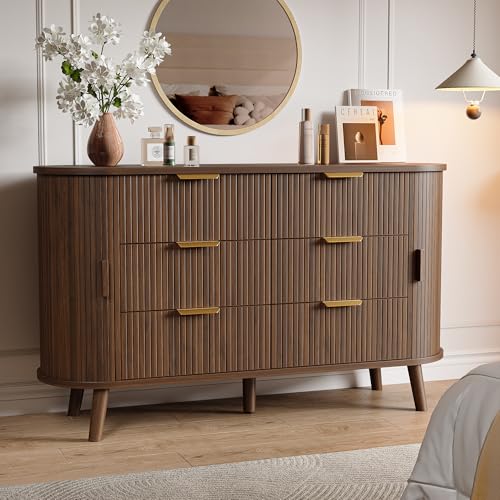
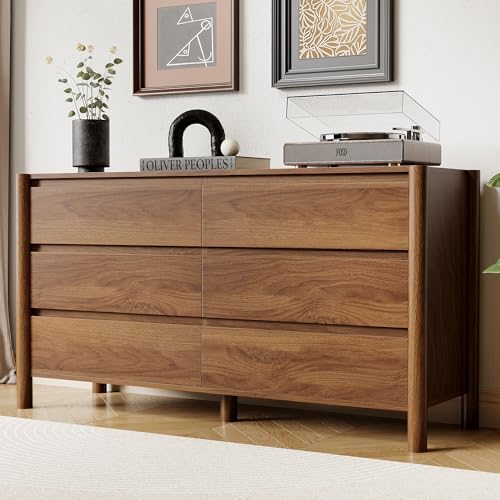
Mid Century Dresser: A Complete Buying & Style Guide
Clean lines, tapered legs, and warm wood tones — the mid century dresser is one of the most enduring furniture icons of the modern home. This guide breaks down everything you need to know before choosing one, from construction and materials to sizing and room styling.
Start ReadingWhat Is a Mid Century Dresser?
A mid century dresser is a storage piece inspired by the design movement that flourished roughly between the mid-1940s and late 1960s. It is defined by a deliberate rejection of heavy ornamentation in favor of functional elegance: uncluttered surfaces, geometric proportions, and legs that lift the body off the floor to create an airy silhouette. Unlike ornate traditional dressers, a mid century piece is meant to feel light, purposeful, and quietly sophisticated.
These dressers are often called mid century modern dressers, retro dressers, or simply vintage dressers, though the latter two terms are broader. What sets the mid century style apart is its balance between craftsmanship and restraint. Every element — from the angle of the legs to the placement of the drawer pulls — serves both an aesthetic and a practical role.
For buyers in the research phase, the appeal is easy to understand. A well-made mid century dresser offers generous storage without visually crowding a bedroom. It pairs naturally with contemporary, Scandinavian, and transitional interiors, and it tends to age gracefully rather than falling out of fashion. That combination of versatility and longevity is why mid century storage furniture remains one of the most requested categories in bedroom design.
Defining Design Features of Mid Century Dressers
The mid century aesthetic is immediately recognizable, but the features that create that look are also the features that determine quality. Here are the elements to look for when evaluating any candidate piece.
Tapered Legs
Often splayed at a slight angle, tapered legs create visual lightness and are a hallmark of authentic mid century construction.
Clean, Flat Fronts
Drawer faces are usually flush and free of applied molding, letting the wood grain and hardware do the talking.
Integrated Hardware
Recessed pulls, slim bar handles, or sculpted wooden knobs are common — hardware is part of the design, not an afterthought.
Horizontal Emphasis
Low, wide proportions are typical, giving the dresser a grounded yet floating presence in the room.
Warm Wood Tones
Walnut, teak, and oak are the classic choices, celebrated for their rich grain and natural warmth.
Thoughtful Asymmetry
Some models offset drawer banks or mix drawer sizes, adding visual interest without clutter.
How to Spot a Faithful Reproduction
Many contemporary manufacturers produce mid century modern dressers that capture the spirit of the original movement while using modern manufacturing methods. A faithful reproduction should preserve the proportions and the design language of the era — the leg angle, the drawer reveal, and the hardware profile. Where reproductions differ most is in the internal construction, which is why reading the specification of any candidate piece is essential. A model described as mid century modern horizontal dresser should deliver a genuine low, wide stance rather than simply a rectangular box with four short legs.
Materials and Wood Types in Mid Century Dressers
The material of a mid century dresser is arguably the single most important decision you will make. It affects the visual warmth of the piece, its weight and stability, how it responds to humidity, and how long it remains in service. Broadly, buyers will encounter three material categories.
Solid Hardwood
Solid hardwood — typically walnut, teak, oak, or cherry — is the benchmark for durability. A solid hardwood mid century dresser can be sanded and refinished if the surface is scratched, and its drawer boxes are usually built with dovetail or box joints that resist racking over time. Expect the body, drawer fronts, and legs to be hardwood, with solid wood or high-grade plywood used for panels where dimensional stability matters.
Hardwood Veneer Over Engineered Core
Many respected mid century reproductions use a real wood veneer over a stable engineered core such as medium-density fiberboard or plywood. This is not inherently inferior. Veneer allows manufacturers to use consistent, attractive grain patterns and reduces the risk of seasonal movement that can affect solid wood panels. The key is the quality of the veneer and the core: a thick, well-bonded veneer over a dense plywood core can serve for decades, while a thin veneer over low-density board may delaminate.
Engineered and Composite Materials
Entry-level pieces may use particleboard or laminate with a printed wood grain. These can look convincing at first, but they are the least durable option and are difficult to repair. If the piece is intended as a long-term investment, prioritize solid hardwood or high-grade veneer construction.
If you are comparing construction approaches in more detail, our guide to solid oak dresser construction illustrates how hardwood selection affects long-term performance. For a lighter-toned alternative within the same style family, a light wood six drawer dresser can deliver the mid century silhouette with a brighter, more airy presence.
Sizing and Drawer Layouts
Mid century dressers are available in a range of footprints, and selecting the right one depends on the wall space you have and the volume of clothing you need to store. The table below summarizes the most common configurations and their typical use cases.
| Configuration | Typical Best For | What to Expect |
|---|---|---|
| Three-drawer dresser | Small bedrooms and guest rooms | Compact footprint; suits a single adult or a child's room |
| Five-drawer dresser | Couples and primary bedrooms | A common mid century layout with one wide top drawer and four deeper drawers |
| Six-drawer dresser | Bedrooms with moderate storage needs | Two columns of three drawers; good balance of capacity and wall width |
| Wide horizontal dresser | Large bedrooms and open wall spans | Low profile with generous surface area; classic mid century proportions |
| Tall chest | Narrow walls and small footprint rooms | Vertical storage that frees up floor space; often paired with a compact dresser |
When measuring, account for clearance in front of the dresser so that drawers can fully extend without obstruction. A common oversight is choosing a piece that fits the wall but leaves too little room to open the drawers comfortably. If your bedroom is tight, a low dresser with drawers can preserve sight lines while still offering a broad surface. For narrower walls, a 24 inch tall chest of drawers can provide vertical storage without consuming much floor width.
Drawer interior height is another factor worth checking. Mid century dressers often feature a mix of shallow and deep drawers. Shallow drawers work well for folded shirts, accessories, and linens, while deeper drawers accommodate sweaters and bulkier items. If you prefer a single uniform depth, verify the internal dimensions before you commit.
Quality Tiers Explained
Rather than thinking in terms of specific monetary figures, it is more useful to classify mid century dressers by their position in the market and the construction quality that comes with it. The descriptors below are used throughout this guide and across our site to keep comparisons consistent.
| Tier | Construction Signals | Best For |
|---|---|---|
| Entry-level | Engineered wood or thin veneer; basic side-mounted glides; assembly often required | Short-term furnishing, guest rooms, and first apartments |
| Mid-range | Real wood veneer over plywood; smoother glides; more consistent finish and hardware | Primary bedrooms where the piece will be used daily |
| Premium | Solid hardwood or high-grade veneer; dovetailed or reinforced drawers; soft-close or full-extension glides | Long-term ownership and rooms where the dresser is a focal point |
| Luxury / flagship | Select hardwood, hand-finished surfaces, precision joinery, premium hardware | Collectors and design-led interiors where craftsmanship is the priority |
As a rule, mid-range models usually offer noticeably smoother drawer action and more consistent finishing than entry-level pieces, while premium tiers add joinery and hardware refinements that extend service life. A soft-close dresser is a useful marker of the premium tier, since soft-close mechanisms add complexity and are rarely found at the entry level.
It is also worth noting that mid century design has been widely reproduced, and quality varies enormously within the same visual style. Two dressers can look nearly identical in photographs yet differ substantially in drawer glide quality and panel construction. Where possible, check the specification for glide type, drawer box material, and whether the body panels are solid or veneered.
How to Choose the Right Mid Century Dresser
Buyers researching mid century dressers usually share the same underlying goal: finding a piece that looks right, fits the room, and will hold up over years of daily use. The checklist below organizes the decision into a practical sequence.
Pre-Purchase Checklist
- Measure the available wall width and confirm clearance for fully extended drawers.
- Decide whether you need a wide horizontal piece or a tall vertical chest based on floor space.
- Choose a wood tone that complements your flooring and wall color — walnut, teak, or oak.
- Confirm the drawer count and depth mix matches the clothing you intend to store.
- Check whether the drawer glides are side-mounted, full-extension, or soft-close.
- Verify the construction: solid hardwood, hardwood veneer, or engineered board.
- Review the hardware — integrated pulls and sculpted knobs are more faithful to the style.
- Consider whether you want a matching nightstand or a coordinated set.
Matching the Dresser to Your Room
The mid century dresser is unusually adaptable, but scale still matters. In a compact bedroom, a tall, narrow chest preserves floor space and keeps the room feeling open. In a larger primary bedroom, a wide horizontal dresser anchors the wall and provides a generous surface for styling. If you are furnishing a full room, a coordinated mid century modern dresser and nightstand set removes the guesswork of matching wood tones and hardware finishes.
Consider the dresser's role in the room. If it will double as a display surface, prioritize a model with a broad top and clean lines. If it is primarily a workhorse for clothing, focus on drawer depth and glide quality instead. For bedrooms where storage is the dominant concern, a five drawer chest of drawers in solid wood offers a familiar mid century layout with robust construction.
Room Styling Ideas for Mid Century Dressers
The mid century dresser is forgiving to style because its lines are already clean. The goal is to complement rather than compete. A few principles will carry you a long way.
Keep the Surface Intentional
Because the drawer fronts are typically flat and unadorned, the top surface becomes the natural focal point. Limit yourself to a small cluster of objects — a lamp, a ceramic vessel, a framed print, or a small tray for daily essentials. Negative space is part of the aesthetic.
Choose Lighting That Echoes the Era
Table lamps with tapered shades, brass or matte black finishes, and simple silhouettes suit mid century dressers well. Avoid overly ornate or oversized fixtures that compete with the furniture's restraint.
Balance the Wood Tone
If your dresser is walnut, introduce lighter accents such as linen, cream ceramics, or pale greenery to keep the room from feeling heavy. If the dresser is oak or teak, you have more flexibility to layer warmer textiles and richer colors.
For a wider range of dresser styling concepts that apply across styles, our collection of dresser styling tips covers surface arrangement, artwork placement, and lighting in more depth. If you are planning a full bedroom refresh, a bedroom TV stand dresser can combine media storage with the mid century silhouette in a single piece.
Care and Maintenance
A mid century dresser rewards simple, consistent care. Dust the surface regularly with a soft, slightly damp cloth and dry immediately to prevent moisture from sitting on the finish. Avoid abrasive cleaners and silicone-based polishes, which can build up and dull the wood over time.
Keep the dresser out of direct sunlight where possible, as prolonged exposure can fade or unevenly tone the wood. If the piece sits near a heating vent, rotate decorative objects occasionally so that any fading is distributed evenly. For solid wood pieces, a light application of furniture wax once or twice a year helps maintain the finish and protects against minor scratches.
Drawer glides benefit from periodic inspection. If drawers begin to stick, check for loose screws or debris in the track before applying any lubricant. Soft-close mechanisms should be left alone unless they stop functioning, at which point a replacement mechanism is usually the simplest solution.
Frequently Asked Questions
Is a mid century dresser the same as a mid century modern dresser?
In practice, the terms are used interchangeably. Mid century modern is the fuller name of the design movement, while mid century dresser is the shorter, more common search term. Both refer to the same style family: clean lines, tapered legs, warm wood tones, and restrained hardware.
What wood is most common in mid century dressers?
Walnut and teak are the most iconic mid century woods, followed by oak and cherry. Walnut offers dramatic grain and a slightly darker tone, while teak is warmer and more uniform. Oak provides a lighter, more neutral alternative that suits Scandinavian and minimalist interiors.
How do I know if a mid century dresser is well made?
Look at the drawer glides, the drawer box construction, and the body panels. Well-made pieces typically use full-extension or soft-close glides, dovetailed or reinforced drawer boxes, and solid hardwood or high-grade veneer over a stable core. Consistent grain alignment and tight drawer reveals are also good indicators of quality.
Can a mid century dresser work in a small bedroom?
Yes. The style is particularly well suited to small bedrooms because its tapered legs and clean lines create visual lightness. A tall, narrow chest or a compact three-drawer model preserves floor space while still providing useful storage. Just confirm drawer extension clearance before committing.
Should I buy a vintage original or a modern reproduction?
Both are valid choices. A vintage original offers authenticity and often superior old-growth wood, but may require restoration and may have limited storage flexibility. A modern reproduction offers predictable quality, modern glide mechanisms, and a wider range of sizes. The right choice depends on whether you prioritize historical character or contemporary convenience.
Ready to Choose Your Mid Century Dresser?
A mid century dresser is more than a storage box. It is a piece of design history that continues to work beautifully in contemporary bedrooms because its principles — restraint, proportion, and honest materials — remain relevant. By focusing on construction, wood type, and scale, you can choose a piece that serves you for years rather than seasons.
Use the guide above as your reference, and explore our recommended mid century dressers below to compare specifications and find the right fit for your space.