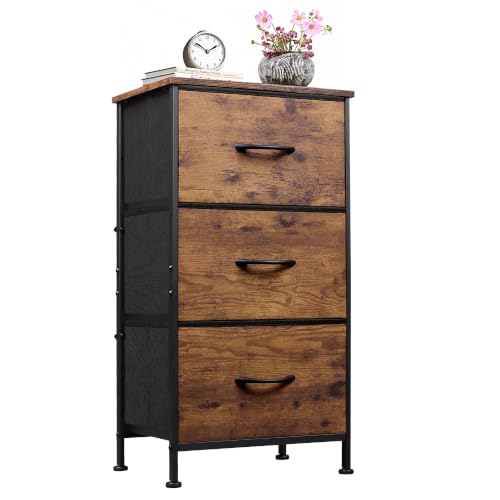
3 Drawer Pine Chest of Drawers: The Complete Guide
A three drawer pine chest is one of the most versatile storage pieces you can add to a bedroom, guest room, or hallway. This guide explains how to evaluate construction, choose the right size, and pick a finish that will look right for years.
Why this page exists: If you already know you want a compact pine chest with three drawers, the remaining questions are practical ones — how deep are the drawers, what kind of pine is used, how the runners perform, and whether the piece will fit your space. Everything below is written to help you make a confident decision before you order.
What Exactly Is a 3 Drawer Pine Chest of Drawers?
A three drawer pine chest is a compact storage unit built from pine wood, typically arranged as a vertical stack of three drawers. It sits between a nightstand and a full dresser in scale, which makes it one of the most flexible pieces in bedroom furniture planning. Unlike a wide dresser that spreads storage horizontally, a chest stacks drawers vertically, conserving floor space while still offering generous drawer volume.
The format is especially useful in rooms where wall space is limited. Because the footprint is narrow, a pine chest can slide into an alcove, sit beside a bed as an oversized nightstand, or anchor a hallway or landing that needs tidy storage. If you want to compare layouts side by side, our chest of drawers guide covers the main configurations and how they differ from wider dresser formats.
Pine is the other defining feature. It is a softwood with a straight, readable grain and a warm natural tone. That combination makes it equally at home in rustic, cottage, farmhouse, and Scandinavian-inspired rooms. It also takes paint and stain well, which is why pine chests are popular with people who plan to customize the finish later.
Why Solid Pine Is a Strong Choice for a Three Drawer Chest
Pine is not the hardest wood on the market, but it offers a balanced set of properties that suit bedroom storage well. The table below summarizes how solid pine compares with common alternatives in this category.
| Material | Best For | Key Characteristics |
|---|---|---|
| Solid pine | Natural grain, refinishing, cottage and farmhouse rooms | Warm tone, accepts paint and stain, can be sanded and refreshed, moderate hardness |
| Engineered wood (MDF/particleboard) | Humidity-stable rooms, uniform painted finishes | Consistent surface, limited refinishing, lighter weight |
| Oak | High-use rooms, heavy loads, long service life | Dense and hard-wearing, prominent grain, heavier piece |
| Walnut | Premium and formal interiors | Rich dark grain, stable, typically a high-end tier material |
Practical benefits you will notice day to day
- Repairability: Dents and scratches in pine can often be sanded out and refinished, which extends the useful life of the piece.
- Joinery strength: Solid pine holds screws and dowels firmly, so drawer boxes and frame joints stay tight longer than in many engineered alternatives.
- Natural variation: Knots and grain patterns make each chest slightly different, which suits rooms that lean toward a lived-in or rustic feel.
- Finish flexibility: A natural pine chest can later be painted or stained to match a new color scheme without replacing the furniture.
If you are weighing materials across the whole room, our guide to solid wood dressers and the wider materials and finishes section explain how different woods behave over time.
Typical Dimensions and Fit
Exact measurements vary by maker, but three drawer pine chests generally fall within a recognizable size band. Knowing the typical range helps you plan placement before you shop.
- Height: usually around waist to chest height, so the top surface is comfortable to reach and can hold a lamp, tray, or mirror.
- Width: compact enough to fit beside a bed or in a narrow alcove, making it a common choice for small bedrooms.
- Depth: deep enough for folded clothing and linens, but shallow enough to avoid blocking walkways in tight rooms.
For rooms with very little floor space, our guides to narrow drawer cabinets and small chests of drawers show how footprint affects usability. If your room is generous enough for a taller piece, a tall chest format adds vertical storage without increasing floor coverage much.
Measure before you order
Check three numbers in your room: the wall length where the chest will sit, the clearance needed to open each drawer fully, and the distance to the nearest door or walkway. A chest that fits the wall but blocks a drawer swing becomes a daily frustration.
Drawer Construction: The Part That Determines Daily Comfort
The frame and finish get the attention, but the drawers are what you interact with every day. Three details matter most.
1. Drawer runners
Metal ball-bearing side runners are the smoothest and most durable option and are standard on mid-range and high-end tier chests. Wood-on-wood runners are traditional and acceptable for light use, but they tend to stick over time. Soft-close mechanisms are a worthwhile upgrade in bedrooms because they prevent slamming and reduce noise at night. Our overview of soft-close dresser hardware explains how the mechanism works.
2. Drawer boxes
Solid wood drawer sides with dovetail or dowel joints hold their shape better than stapled hardboard boxes. Look for a reinforced drawer bottom as well, since that is the part that sags first under sustained load.
3. Weight rating
A well-built solid pine chest supports a moderate load per drawer — enough for folded clothing, linens, and everyday items. Check the stated weight rating and prefer chests with solid wood sides over thin hardboard, which warps under load. For a deeper look at how drawer hardware affects longevity, see our guide to heavy-duty drawer slides.
Finishes and Styling for a Pine Chest
Pine is unusually forgiving when it comes to finish choices. The most common approaches are:
- Natural or clear finish: highlights the grain and knots, and suits cottage, farmhouse, and Scandinavian rooms.
- White or light paint: brightens small bedrooms and creates a calm, coastal, or modern feel.
- Warm stain: deepens the tone and helps the chest sit comfortably alongside darker wood furniture.
- Distressed or two-tone finish: emphasizes the rustic character of the wood and works well in eclectic interiors.
If you like the idea of a lighter palette, a light wood dresser with gold hardware shows how hardware choices shift the character of a natural pine piece. For a darker alternative in the same family, our rustic brown dresser guide covers deeper stains and distressed finishes.
Matching the chest to the rest of the room
A compact three drawer chest does not have to match the bed and nightstands exactly. In smaller rooms, treating it as an accent piece — slightly different tone, different hardware, or a painted finish — often looks more intentional than a matching suite. If you are furnishing from scratch, our three piece dresser set guide explains how coordinated sets are put together.
Who Is a Three Drawer Pine Chest Best For?
This format suits several specific situations:
- Small bedrooms and guest rooms where floor space is limited but folded storage is still needed.
- Bedside use for people who want more than a nightstand but do not need a full dresser.
- Hallways and landings that need tidy, unobtrusive storage for linens, gloves, or household items.
- Nurseries and children's rooms, where a lower, compact chest is easier to reach and less likely to dominate the room. Our nursery chest guide covers safety considerations.
- First homes and rentals, where a solid pine piece offers a long-term investment that can move between rooms over the years.
If you need more drawer volume but want to keep the same footprint, a five drawer solid wood chest is the natural next step up in the same vertical format.
Buying Checklist Before You Order
- Measure the space — wall length, drawer swing clearance, and walkway width.
- Confirm the wood is solid pine on the frame and drawer fronts, not just a pine veneer over engineered board.
- Check the drawer runners — metal ball-bearing or soft-close are the most comfortable in daily use.
- Inspect drawer box construction — solid wood sides and a reinforced bottom resist sagging.
- Decide on finish and hardware before you buy, since refinishing later adds work.
- Check anti-tip hardware — a chest of any height should be anchored to the wall, especially in homes with children.
- Review assembly requirements — some chests ship fully assembled, others need significant setup. Our guide to fully assembled chests explains the trade-offs.
Frequently Asked Questions
Is a 3 drawer pine chest of drawers suitable for a small bedroom?
Yes. A three drawer pine chest is one of the most space-efficient storage pieces available. Its compact footprint fits neatly beside a bed, in a narrow alcove, or against a short wall, while the three drawers provide enough room for folded clothing, linens, or accessories without overwhelming a small room.
What are the benefits of solid pine over engineered wood?
Solid pine offers a dense, natural grain that accepts stain and paint beautifully, holds screws and joinery firmly, and can be sanded and refinished repeatedly over its lifespan. Engineered wood is more dimensionally stable in humid rooms but cannot be refinished and has a shorter service life in high-use furniture.
How much weight can a pine chest of drawers hold?
A well-built solid pine chest with reinforced drawer bottoms and metal side runners typically supports a moderate load per drawer, enough for folded clothing, linens, and small household items. Check the manufacturer's stated weight rating and look for solid wood drawer sides rather than thin hardboard, which sags under sustained load.
What drawer mechanism should I look for in a three drawer pine chest?
Metal ball-bearing side runners offer the smoothest, most durable operation and are common on mid-range and high-end tier models. Wood-on-wood runners are traditional and fine for light use on entry-level pieces. Soft-close mechanisms are a worthwhile upgrade in bedrooms, where they prevent slamming and reduce noise.
Can a pine chest be repainted or restained later?
Yes. One of the main advantages of solid pine is that it can be sanded back and refinished. If you plan to paint it, a light sanding and a primer suitable for resinous softwoods will give the most even result.