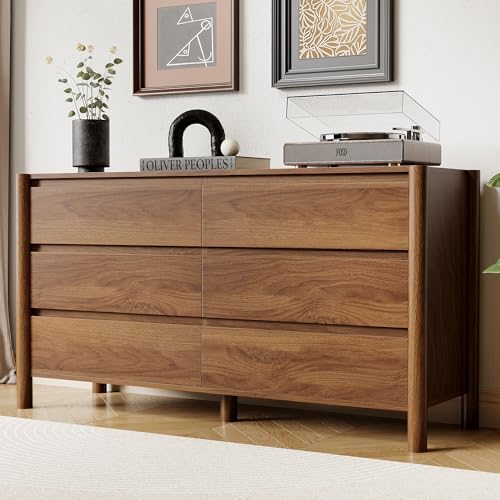
Solid Wood Dresser: The Complete Buying Guide
Discover why a solid wood dresser is a long-term investment in your bedroom. Learn about wood types, construction quality, joinery, finishes, and how to choose a durable piece that fits your space and style.
Start ReadingWhy Choose a Solid Wood Dresser?
A solid wood dresser is more than just a place to store clothes — it is a piece of furniture built to last for decades. Unlike engineered wood or particleboard covered with veneer, solid wood furniture is crafted from whole pieces of timber, giving it superior strength, natural beauty, and the ability to be refinished or repaired over time.
If you are comparing construction methods, our guide on solid wood vs engineered wood breaks down the trade-offs in durability, weight, and long-term performance. For most buyers in the research stage, the key question is not whether solid wood is better — it usually is — but which type of solid wood and construction quality matches your needs.
Quick summary: A solid wood dresser offers exceptional durability, natural grain character, and repairability. Entry-level solid wood pieces use simpler joinery and lighter woods, while premium and luxury tiers feature hardwood construction, dovetail joints, soft-close hardware, and hand-finished surfaces.
Types of Solid Wood Used in Dressers
The wood species has a major impact on a dresser's weight, grain pattern, durability, and how it responds to humidity changes. Here are the most common solid wood types you will encounter:
Oak
Oak is one of the most popular hardwoods for dressers thanks to its dense grain, strength, and resistance to wear. It takes stains and finishes well and develops a rich patina over time. If you prefer a classic, durable look, explore our collection of solid oak dressers or browse solid oak dressers for sale to compare styles.
Pine
Pine is a softer wood with a warm, rustic character. It is lighter in weight and more prone to dents than hardwood, but it is an excellent choice for casual or farmhouse-style bedrooms. A solid pine dresser offers a charming natural look and is often found in entry-level and mid-range tiers.
Walnut
Walnut is a premium hardwood prized for its deep, chocolate-brown color and smooth, straight grain. It is dense, stable, and visually sophisticated. A solid walnut dresser sits firmly in the premium to luxury tier and pairs beautifully with mid-century modern interiors.
Maple, Cherry, and Mahogany
Maple is hard and light-colored, often used in contemporary designs. Cherry darkens beautifully with age and is common in traditional furniture. Mahogany offers a rich reddish-brown tone and excellent workability. Each species behaves differently, so always check the finish and humidity tolerance for your climate.
| Wood Type | Hardness | Typical Tier | Best For |
|---|---|---|---|
| Pine | Soft | Entry-level | Rustic, casual, farmhouse bedrooms |
| Oak | Hard | Mid-range to premium | Durable family furniture, classic styles |
| Walnut | Hard | Premium to luxury | Modern, mid-century, high-end interiors |
| Maple | Hard | Mid-range | Contemporary, light-toned bedrooms |
| Cherry / Mahogany | Hard | Premium | Traditional, formal bedroom settings |
Construction Quality: What Separates Tiers
The wood species is only part of the story. Construction quality — how the dresser is assembled — often matters more than the wood label. Here is what to look for at each tier:
Entry-Level Solid Wood Dressers
- Simpler joinery, often butt joints reinforced with screws or staples
- Thinner drawer sides and bottoms
- Standard side-mount drawer slides
- Lighter woods such as pine or rubberwood
Mid-Range Solid Wood Dressers
- More robust joinery, including dowels and mortise-and-tenon construction
- Thicker drawer boxes with corner blocks
- Smooth-glide metal slides or basic soft-close mechanisms
- Hardwoods such as oak or maple
Premium and Luxury Tier
- English or French dovetail drawer joints for maximum strength
- Solid hardwood drawer sides and bottoms (often 1/2 inch or thicker)
- Full-extension soft-close undermount slides
- Hand-finished surfaces, kiln-dried lumber, and furniture-grade hardware
If you want a smoother everyday experience, look for a solid wood dresser with soft-close drawers. This feature is increasingly common in mid-range models and standard in premium pieces.
Choosing the Right Size and Configuration
Solid wood dressers come in a wide range of sizes. Because solid wood is heavier than engineered alternatives, measure your space and plan the delivery route carefully.
Drawer Counts
A solid wood 6 drawer dresser is a versatile middle ground for couples and guest rooms. For larger households or shared bedrooms, a solid wood 9 drawer dresser provides generous capacity without requiring a separate chest. Deep drawers are ideal for bulky items like sweaters and linens — see our guide to solid wood dressers with deep drawers.
Height and Footprint
Tall dressers maximize vertical storage in compact rooms, while wide dressers work well under windows or as a focal point. If floor space is tight, a solid wood small chest of drawers offers solid wood construction in a more compact footprint. For master bedrooms, a solid wood extra large dresser delivers substantial storage.
Matching Sets
A coordinated bedroom is easier to achieve with a matching set. A solid wood bedroom dresser set typically includes a dresser and mirror or a dresser paired with a nightstand. You can also explore a standalone solid wood dresser and nightstand pairing for a cohesive look.
Styles That Work With Solid Wood
Solid wood adapts to nearly every interior style. Here are the most popular directions:
Mid-Century Modern
Clean lines, tapered legs, and warm wood tones define this timeless style. A solid wood mid-century dresser or a mid-century modern solid wood dresser pairs beautifully with walnut or teak finishes and minimalist decor.
Classic and Traditional
Ornate details, bracket feet, and rich stains are hallmarks of traditional solid wood dressers. Oak and cherry are common choices, and a matching solid wood dressing table with drawers can complete the look.
Contemporary and Minimalist
White or black solid wood dressers with sleek hardware fit modern bedrooms. A solid wood white dresser brightens a room, while a solid wood black chest of drawers adds dramatic contrast.
Bedroom and Beyond
Solid wood dressers are not limited to the bedroom. A solid wood chest of drawers for bedroom is the classic choice, but you can also use solid wood storage in a hallway, living room, or home office. For additional storage, a solid wood dresser with shelves combines drawers with open display space.
What to Check Before You Buy
When you are ready to compare solid wood dressers, use this checklist to evaluate quality and suitability:
- Confirm solid wood construction: Ask whether the drawer fronts, sides, top, and frame are all solid wood. Some pieces are labeled "solid wood" but use plywood or MDF for secondary panels.
- Inspect the joinery: Dovetail joints are a mark of premium quality. Doweled or mortise-and-tenon joints are excellent in mid-range pieces.
- Test the drawers: They should glide smoothly, close flush, and feel solid when extended fully.
- Check the finish: A quality finish should be even, smooth, and free of drips or rough patches. Natural oil finishes are beautiful but require more maintenance than lacquer or polyurethane.
- Measure your space: Solid wood is heavy, so confirm doorways, hallways, and stairwells can accommodate the piece during delivery.
- Review stability features: Anti-tip hardware is essential, especially for tall dressers in homes with children.
If you are shopping for a specific configuration, browse solid wood dressers for sale or explore the full range of solid wood chests to compare options across styles and tiers.
Caring for Your Solid Wood Dresser
Solid wood responds to changes in temperature and humidity. To keep your dresser looking its best:
- Keep it away from direct sunlight and heat sources to prevent fading and cracking.
- Maintain indoor humidity between 40% and 60% if possible.
- Dust regularly with a soft, dry cloth.
- Avoid harsh chemical cleaners; use a wood-safe conditioner for oil-finished pieces.
- Use coasters or felt pads to protect the surface from scratches and moisture rings.
With proper care, a solid wood dresser can last for generations — making it a worthwhile long-term investment compared to furniture that needs replacing every few years.
Frequently Asked Questions
Is a solid wood dresser worth the investment?
Yes, for most buyers. Solid wood dressers offer superior durability, repairability, and timeless appeal. Entry-level solid wood pieces are competitive with premium engineered furniture, while high-end tiers deliver heirloom quality.
How can I tell if a dresser is truly solid wood?
Check the drawer sides, back panels, and underside. Solid wood will show continuous grain patterns across edges and joints, while veneered pieces often show a uniform surface with visible seams or a different material on the back and drawer bottoms.
Which solid wood is best for a bedroom dresser?
Oak and maple are excellent all-around choices for durability. Walnut is ideal for premium aesthetics, while pine is a solid choice for rustic or casual styles. The best wood depends on your style preference and the tier you are shopping in.
Do solid wood dressers require assembly?
Most high-quality solid wood dressers arrive fully assembled or require minimal setup (such as attaching legs or hardware). Some entry-level models require more assembly. Always check the product details before ordering.
Can solid wood dressers be refinished?
Yes — one of the biggest advantages of solid wood is that it can be sanded and refinished multiple times. This allows you to update the color or repair surface damage, extending the life of the furniture.
Ready to Choose Your Solid Wood Dresser?
You now have the knowledge to evaluate wood types, construction quality, and the right size for your space. Explore our recommended solid wood dressers below and find the piece that fits your bedroom.
View Recommendations