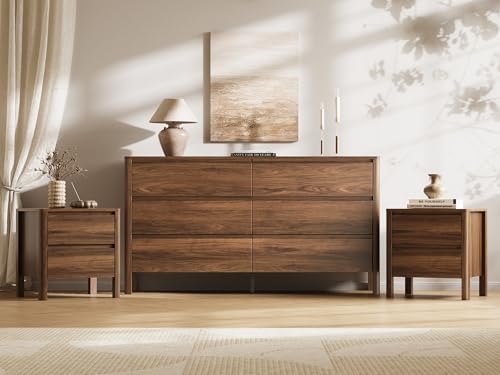
Mid Century Modern Dresser and Nightstand Set
Your complete guide to choosing a cohesive, functional, and timeless bedroom furniture pairing. Learn how to evaluate style, materials, sizing, and construction before you commit.
Quick Summary: What You Will Learn
- The defining design characteristics of authentic mid century modern bedroom furniture
- How to measure and plan your bedroom layout for a dresser and nightstand pairing
- Material options from solid walnut to engineered veneers and their trade-offs
- Drawer construction details that separate entry-level from premium tiers
- Practical organization strategies to maximize storage efficiency
- Answers to the most common questions about set selection and placement
Why a mid century modern dresser and nightstand set deserves your attention: Few furniture pairings offer the same balance of visual harmony and practical storage as a coordinated mid century modern dresser and nightstand set. The clean lines, tapered legs, and warm wood tones characteristic of this era create a bedroom atmosphere that feels both intentional and relaxed. Whether you are furnishing a primary bedroom, a guest room, or a compact apartment, understanding how these pieces work together will help you make a confident purchase decision.
What Defines a Mid Century Modern Dresser and Nightstand Set?
Mid century modern design emerged in the mid-20th century as a response to ornate, heavy furniture traditions. The style prioritizes function, simplicity, and the honest use of materials. When you shop for a mid century modern dresser and nightstand set, you will notice recurring design elements that distinguish authentic pieces from modern reproductions.
Key Design Signatures
- Tapered legs: Angled or round legs that narrow toward the floor create a sense of lightness and elevate the piece visually.
- Clean, unadorned surfaces: Flat drawer fronts without excessive molding or carving allow the wood grain to serve as the primary decoration.
- Natural wood tones: Walnut, teak, oak, and ash are traditional choices, often finished with a warm, satin sheen rather than high-gloss lacquer.
- Integrated hardware: Recessed pulls, slim brass handles, or minimal wood pulls that do not compete with the overall form.
- Proportional harmony: The dresser and nightstand in a set share consistent leg height, wood species, and hardware finish, creating a unified bedroom composition.
Authentic Versus Inspired Design
Not all furniture labeled "mid century modern" adheres strictly to the era's design principles. When evaluating a mid century modern dresser and nightstand set, look for consistent design language across both pieces. A common pitfall is a set where the dresser features tapered legs but the nightstand has block legs, breaking visual continuity. Reputable manufacturers maintain design coherence throughout the collection.
How to Measure Your Bedroom for a Dresser and Nightstand Set
Proper sizing is the most overlooked factor in furniture purchasing. A beautifully crafted mid century modern dresser and nightstand set that overwhelms your room or leaves insufficient walking clearance will never feel right, regardless of its design quality. Follow a systematic measurement approach before you shop.
Step-by-Step Measurement Guide
- Wall space: Measure the available wall segment where the dresser will sit. Leave at least 6 inches of breathing room on each side if possible. For a mid century modern horizontal dresser, confirm the width fits without obstructing doorways or closet access.
- Walking clearance: Maintain a minimum of 24 to 30 inches of clear floor space in front of dresser drawers when fully extended. Measure from the drawer face to the nearest obstacle, such as a bed footboard or wall.
- Nightstand height: The top of each nightstand should be at or slightly below mattress height for comfortable reach. A common range is 22 to 28 inches, but this depends on your bed frame.
- Bed placement: Nightstands typically flank the bed. Ensure the gap between the mattress edge and nightstand is comfortable for making the bed and reaching items. If space is tight, consider a small storage chest with drawers as an alternative.
- Door and closet clearance: Account for all door swings, closet doors, and drawer pull-outs. Map the footprint with painter's tape on the floor before committing.
Standard Size Reference
| Furniture Piece | Typical Width | Typical Depth | Typical Height | Best For |
|---|---|---|---|---|
| Compact dresser (3-4 drawers) | 30 to 42 inches | 16 to 18 inches | 30 to 36 inches | Small bedrooms, guest rooms |
| Standard dresser (6-8 drawers) | 50 to 64 inches | 18 to 20 inches | 30 to 38 inches | Primary bedrooms, couples |
| Wide dresser (8-10 drawers) | 64 to 72 inches | 18 to 20 inches | 30 to 36 inches | Large bedrooms, shared storage |
| Nightstand (standard) | 18 to 26 inches | 16 to 18 inches | 22 to 28 inches | Bedside storage, alarm, lamp |
If your bedroom is particularly compact, consider a mid century dresser with a narrower profile rather than forcing a wide piece into an undersized space. Similarly, if you need vertical storage, a large tall dresser may serve you better than a wide horizontal unit.
Materials and Construction: What to Look For
The material quality of your mid century modern dresser and nightstand set directly affects its durability, visual warmth, and long-term performance. Understanding the differences between solid wood, veneer, and engineered components will help you evaluate sets across different market tiers.
Wood Species and Their Characteristics
| Wood Type | Grain Character | Durability | Market Tier | Best For |
|---|---|---|---|---|
| Walnut | Rich, dark, flowing grain | High | Premium to luxury | Statement pieces, long-term investment |
| Teak | Golden brown, subtle grain | High | Premium | Authentic vintage-inspired sets |
| Oak | Prominent, open grain | Very high | Mid-range to premium | Family homes, heavy use |
| Ash | Light, smooth, subtle grain | Moderate to high | Mid-range | Scandinavian-influenced bedrooms |
| Engineered wood with veneer | Consistent, uniform | Moderate | Entry-level to mid-range | Apartments, guest rooms, temporary setups |
Construction Details That Matter
- Drawer joints: Dovetail joints indicate higher-quality construction and better load-bearing capacity than stapled or glued butt joints. French dovetail and English dovetail are both acceptable, with English dovetail offering superior strength.
- Drawer glides: Smooth metal ball-bearing slides or wooden center guides are both found in quality pieces. Avoid plastic glides that may crack under load. For heavy-duty applications, 20-inch heavy-duty drawer slides offer exceptional load capacity.
- Dust panels: A thin wood panel between drawer rows prevents dust from falling onto clothing below. This is a hallmark of premium-tier construction.
- Back panels: A solid or thick veneered back panel adds structural rigidity. Thin, stapled cardboard back panels are a sign of entry-level construction.
- Finish quality: A well-applied lacquer, oil, or polyurethane finish should feel smooth to the touch without visible drips, bubbles, or uneven sheen. Look for low-VOC or water-based finishes if indoor air quality is a priority.
- Soft-close mechanisms: Some premium sets feature soft-close dresser drawers that prevent slamming and reduce wear on the glides. This feature adds convenience and extends the life of the hardware.
Tier Expectations at a Glance
Entry-level tier: Engineered wood with printed or thin veneer, stapled drawer boxes, basic metal glides. Adequate for light use in guest rooms or apartments.
Mid-range tier: Solid wood frames with quality veneer panels, dovetail or reinforced joints, ball-bearing glides, dust panels. Suitable for daily use in primary bedrooms.
Premium tier: Solid hardwood construction (walnut, teak, oak), English dovetail drawers, soft-close hardware, hand-applied finishes. Designed as a long-term investment.
Luxury tier: Sustainably sourced solid hardwoods, bespoke hardware, hand-finished details, and heirloom-level joinery. Typically produced in smaller workshops with rigorous quality control.
Matching Set or Mix and Match?
A coordinated mid century modern dresser and nightstand set offers several practical advantages. The manufacturer has already resolved questions of proportion, wood tone, and hardware consistency. However, mixing pieces from different sources can also yield a personalized result if you follow a few guiding principles.
When a Matching Set Works Best
- Streamlined shopping: You select one collection and receive pieces that are guaranteed to complement one another in finish and scale.
- Visual cohesion: Identical wood grain direction, hardware style, and leg profiles create a calm, unified bedroom aesthetic.
- Consistent quality: Both pieces come from the same manufacturer, so construction standards and material grades are identical.
- Resale and repositioning: A complete set is easier to resell or repurpose as a unit if you later reconfigure your bedroom.
When Mixing Makes Sense
- You already own one piece: If you have a well-built mid century dresser, adding a complementary nightstand is more efficient than replacing both.
- Space constraints: Your room may require a specific width dresser that is not available in the same collection as your preferred nightstand.
- Personal expression: Mixing eras or wood tones thoughtfully can create a curated, collected look. Keep at least two of the following consistent: wood species, leg style, hardware finish, or overall form language.
If you are considering a variety of configurations, explore options such as a 3-piece dresser set that includes additional matching storage, or a dresser and nightstand set collection page for broader comparison.
Organizing Your Mid Century Dresser and Nightstand
Once your set is in place, the next step is making it work efficiently. Mid century modern dressers often feature shallow drawers, which are ideal for folded clothing, accessories, and small items. Nightstands typically offer one or two drawers plus an open shelf or cabinet.
Practical Organization Strategies
- Assign zones: Dedicate the top dresser drawers to frequently used items such as undergarments and socks. Middle drawers work well for folded shirts and sleepwear. Bottom drawers can hold bulkier items like jeans or seasonal clothing.
- Use drawer dividers: Compartmentalize shallow drawers with fabric or bamboo dividers to separate categories and prevent clutter from accumulating. This is especially useful for accessories and small folded items.
- Nightstand essentials: Reserve the nightstand top for a lamp, alarm clock, and a small tray for personal items. The drawer should hold reading materials, charging cables, and any medications or personal care items you need at hand.
- Seasonal rotation: Store off-season clothing in under-bed bins or higher closet shelves, keeping your dresser stocked only with current-season items. This reduces drawer strain and keeps your daily routine efficient.
- Cable management: If your nightstand holds a charging station or lamp, use adhesive cable clips on the back panel to route cords neatly and prevent tangling.
A Note on Drawer Depth
Mid century modern dressers frequently use shallower drawers than contemporary models. This is intentional: shallow drawers make it easier to see and reach items without digging. If you require deeper storage for bulky sweaters or linens, consider a dresser with deep drawers as a supplementary piece, or look for a set that offers a mix of shallow and deep drawer configurations.
Placement and Styling Tips for Your Bedroom
The placement of your dresser and nightstand set affects both the functionality and the visual balance of your bedroom. Mid century modern design favors open, uncluttered layouts, so avoid pushing furniture flush against every wall if space allows.
- Anchor the bed: Nightstands should flank the bed symmetrically. If one side has a wall constraint, choose a narrower nightstand for that side rather than skipping it entirely, which can make the room feel unbalanced.
- Dresser placement: Place the dresser on a wall perpendicular to the bed or opposite the foot of the bed. Avoid positioning it directly in front of a window, as direct sunlight can fade wood finishes over time.
- Visual breathing room: Leave at least 6 to 12 inches between the dresser sides and adjacent walls or furniture. This prevents a cramped appearance and makes cleaning easier.
- Lighting: A table lamp on each nightstand provides balanced task lighting. If your dresser includes a mirror or a taller profile, consider a wall sconce or picture light above it for ambient illumination.
- Decor restraint: Mid century modern design rewards restraint. Limit dresser-top decor to a small tray, a plant, and one or two meaningful objects. Clutter undermines the clean lines that define the style.
For rooms with limited floor space, a small dresser paired with a compact nightstand can achieve the same cohesive look without overwhelming the room. Alternatively, a fluted dresser adds tactile interest while maintaining a sleek profile.
Your Pre-Purchase Checklist
Before you finalize your selection of a mid century modern dresser and nightstand set, run through this checklist to ensure you have considered every critical factor.
- Confirm room measurements and walking clearance with painter's tape on the floor.
- Verify that nightstand height aligns with your mattress height.
- Check the wood species and confirm whether it is solid, veneered, or engineered.
- Inspect drawer joint type (dovetail preferred) and glide mechanism.
- Ensure both pieces share consistent design details: leg style, hardware, and finish.
- Confirm the dresser width accommodates your clothing volume without overstuffing.
- Review the return policy and assembly requirements before ordering.
- Check for safety features such as anti-tip hardware, especially if children use the room.
- Consider the finish's resistance to moisture and sunlight in your specific room conditions.
Ready to Explore Mid Century Modern Sets?
Browse our curated selection of mid century modern dresser and nightstand sets. Compare features, construction details, and design options to find the pairing that fits your bedroom.
View Recommended SetsFrequently Asked Questions
What defines a mid century modern dresser and nightstand set?
A mid century modern dresser and nightstand set is characterized by clean lines, tapered legs, natural wood tones, and functional minimalism. The set typically features matching wood species, hardware, and proportional design language from the 1950s and 1960s era. Look for consistent leg profiles, unified finish tones, and restrained ornamentation across both pieces.
How do I measure my bedroom for a dresser and nightstand set?
Measure the available wall space, leaving at least 24 to 30 inches of clearance for walking. Ensure nightstands sit at or slightly below mattress height. Account for door swings and closet access, and use painter's tape to map out the footprint before purchasing. For a mid century modern horizontal dresser, confirm the width does not obstruct traffic flow or block drawers from opening fully.
What materials are best for a mid century modern dresser set?
Solid walnut, teak, oak, and ash are traditional choices for authentic mid century pieces. Engineered wood with walnut or oak veneer offers a more accessible option. Look for dovetail drawer joints, smooth-glide mechanisms, and durable finishes to ensure longevity. Premium-tier sets use solid hardwood construction with dust panels and English dovetail joinery, while entry-level sets may use stapled drawer boxes and thinner veneers.
Should I choose a matching set or mix and match?
Matching sets create visual cohesion and simplify shopping. Mixing pieces from the same era or wood tone can add personality. If mixing, keep leg style, wood species, and hardware finish consistent to maintain the mid century aesthetic. A brown dresser and nightstand set in a unified walnut finish is a reliable starting point if you prefer a coordinated look.
Are mid century modern dressers suitable for small bedrooms?
Yes. Many mid century modern dressers are designed with compact footprints. A 50-inch dresser paired with narrow nightstands works well in smaller primary bedrooms or guest rooms. Prioritize vertical storage if floor space is limited, and consider a taller dresser profile to maximize capacity without increasing width.
How can I tell if a mid century modern set is well-constructed?
Inspect drawer joints, glide mechanisms, and back panels. Dovetail joints indicate higher quality than stapled or glued joints. Metal ball-bearing glides with soft-close features are a premium detail. A solid or thick veneered back panel adds structural rigidity, while thin cardboard back panels signal entry-level construction. Also check for anti-tip hardware, especially if the dresser is tall or if children use the bedroom.