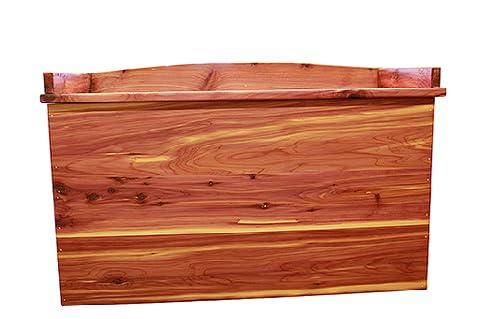
Cedar Dresser: Complete Buying Guide
Everything you need to know about cedar dressers — construction, aroma, drawer types, and how to choose the right one for your bedroom.
START EXPLORINGWhy cedar? Cedar dressers combine natural beauty, durability, and a distinctive aromatic quality that sets them apart from other wood furniture. Whether you are upgrading your bedroom storage or searching for a piece that protects clothing naturally, understanding cedar construction, aroma, and maintenance will help you make a confident, informed decision.
What Makes a Cedar Dresser Different?
A cedar dresser is a storage piece built from cedar wood — either as a solid-wood body, a veneer over engineered panels, or a cedar-lined interior within a different wood frame. Cedar has long been valued in furniture making because of its natural resistance to moisture, insects, and decay. Its tight, straight grain and warm reddish-brown tones give it a classic, enduring look that fits both traditional and contemporary bedrooms.
The most celebrated feature of cedar is its natural aroma. The wood releases a subtle, pleasant scent that many people associate with fresh linens and heritage craftsmanship. This aroma is more than a sensory bonus: it also helps deter moths and other insects from settling in stored clothing and blankets. If you are comparing options, you may also want to explore a maple dresser for a lighter, more neutral wood tone, or a mahogany chest of drawers if you prefer a darker, more formal finish.
Key Features of a Quality Cedar Dresser
Aromatic Interior
Many cedar dressers feature cedar-lined drawers or a cedar interior panel that helps keep stored items fresh and naturally discourages pests.
Moisture Resistance
Cedar naturally handles humidity fluctuations better than many softwoods, making it a dependable choice for bedrooms in varying climates.
Durable Grain
Tight, straight grain and natural oils contribute to a solid build that resists warping and holds hardware securely over time.
Warm Color Tones
Ranging from golden amber to deep reddish-brown, cedar finishes bring warmth and character to any bedroom palette.
Solid vs. Cedar-Lined
Some pieces are fully solid cedar, while others pair an exterior frame with cedar-lined drawers — each approach suits different needs.
Refinish-Friendly
Cedar accepts stains and paints well, which makes older cedar dressers excellent candidates for a lasting makeover project.
Cedar Dresser Construction: Solid, Lined, or Veneer
Not every cedar dresser is built the same way, and understanding the construction helps you match the piece to your expectations. A solid cedar dresser uses cedar throughout the body and drawers; it is the most substantial option and carries the strongest natural aroma. A cedar-lined dresser uses a different primary wood for the frame — often oak, pine, or engineered wood — with cedar panels inside the drawers to deliver the aroma benefit where it matters most. A cedar veneer dresser applies a thin layer of cedar over a stable core, which keeps the look consistent and the structure resistant to seasonal movement.
For shoppers comparing broader categories, our guide to chest of drawers styles explains how drawer count and body proportions influence storage capacity. If your room is tight, a small chest of drawers may be a better footprint match, while a large tall dresser suits wardrobes that need maximum vertical storage.
Cedar Dresser Tiers: Matching Quality to Your Needs
Cedar dressers appear across the full spectrum of the market. Rather than focusing on figures, it helps to think in terms of construction tier — each tier reflects a different balance of material thickness, joinery, hardware, and interior finishing.
| Tier | Typical Construction | Best For |
|---|---|---|
| Entry-level | Cedar veneer over engineered core, basic drawer glides, cedar-lined drawers on select models | First apartments, guest rooms, and shoppers testing the cedar aroma experience |
| Mid-range | Solid wood frame with cedar drawer interiors, smoother glides, reinforced drawer bottoms | Primary bedrooms where daily use and organization matter |
| Premium | Solid cedar or cedar-dominant construction, dovetail or box joinery, soft-close hardware | Long-term bedroom furniture and households that value craftsmanship |
| Luxury | Fully solid aromatic cedar, hand-finished details, premium drawer slides, heirloom-grade joinery | Collectors and buyers seeking a flagship piece that will last for decades |
A useful rule of thumb: mid-range models typically offer noticeably smoother drawer action and sturdier bottoms than entry-level builds, while premium and luxury tiers add refined joinery and hardware that reward long-term ownership. If smooth, quiet drawers are a priority, our overview of soft-close dresser mechanisms explains what to look for.
Cedar Dresser Buying Checklist
Before you commit to a cedar dresser, run through these practical checkpoints. They cover the details that most shoppers overlook until after delivery.
- Confirm the cedar placement. Ask whether cedar appears in the drawer interiors, the frame, or both — this determines how much aroma you will actually notice.
- Inspect drawer construction. Look for reinforced bottoms, smooth glides, and joinery that will hold up to daily opening and closing.
- Measure your space twice. Account for wall clearance, door swing, and walking paths; a 50-inch dresser is a common reference point for medium bedrooms.
- Check the finish. A sealed exterior preserves the look, while an unsealed interior keeps the cedar aroma active. Many quality pieces use this combination deliberately.
- Plan for stability. Wall-anchoring hardware is essential in households with children or pets; look for dressers that include anti-tip kits.
- Think about matching pieces. A brown dresser and nightstand set or a 3-piece dresser set can unify a bedroom more easily than mixing finishes later.
Caring for the Cedar Aroma and Finish
Cedar's aroma naturally fades over time as the wood's surface oils settle. You can refresh it periodically by lightly sanding interior drawer surfaces with fine-grit paper — a gentle pass is enough to reopen the grain and release the scent. Avoid sealing the inside of drawers if you want to keep the aromatic benefit; instead, keep interiors dry and wipe them with a barely damp cloth when needed.
On the exterior, dust regularly and use a wood-appropriate conditioner a few times a year. Keep the dresser away from direct heat sources and prolonged sunlight, which can dry the wood unevenly. If you are restoring an older piece, our rustic brown dresser overview covers how weathered finishes can be preserved rather than stripped. For hardware upgrades, a simple change of knobs can modernize a cedar dresser without touching the wood itself.
Choosing the Right Size and Placement
Cedar dressers work in nearly every bedroom layout, but proportions matter. In a compact room, a low dresser with drawers preserves sightlines and doubles as a surface for decor. In a primary suite, a 24-inch tall chest of drawers adds vertical capacity without dominating the floor plan. If you need a focal piece, consider whether a mirror-topped configuration suits your routine; our solid oak dresser with mirror guide explains how mirror placement affects both function and room brightness.
For shared bedrooms or growing families, a heavy-duty dresser is worth considering for its reinforced build. And if your storage needs extend beyond clothing, browse bedroom storage solutions to combine a cedar dresser with under-bed and closet systems.
Frequently Asked Questions About Cedar Dressers
Is a cedar dresser good for storing clothes?
Yes. Cedar's natural aroma and moisture resistance make it a popular choice for clothing storage. The scent helps keep stored items fresh, and the wood's stability supports drawers that open smoothly for years. For best results, store clean, dry clothing and avoid overpacking drawers.
Does the cedar smell fade over time?
It gradually softens as surface oils settle, but the aroma can be refreshed with a light sanding of the interior surfaces. Sealed exteriors preserve the finish, while unsealed interiors keep the scent active — a deliberate combination in many well-made cedar dressers.
Is solid cedar better than a cedar-lined dresser?
It depends on your priorities. Solid cedar delivers the fullest aromatic experience and the most substantial build. A cedar-lined dresser places the aroma where it matters most — inside the drawers — while using a stable frame material for the exterior. Both approaches are valid; mid-range and premium tiers increasingly use cedar-lined drawers with solid frames.
Can I paint or refinish a cedar dresser?
Absolutely. Cedar accepts paint and stain well, which is why older pieces are popular makeover candidates. If you want to preserve the aroma, keep interior surfaces unfinished and focus paint or stain on the exterior. Always test finishes on a hidden area first.
How many drawers should a cedar dresser have?
Three to five drawers suits most individual wardrobes, while six or more supports shared bedrooms and families. Consider drawer depth as well as count — deep drawers handle bulky knits and bedding, while shallow drawers organize folded tops and accessories. A 5-drawer chest of drawers in solid wood is a balanced starting point for many rooms.
Ready to Choose Your Cedar Dresser?
Browse recommended cedar dressers and bedroom storage pieces selected for construction quality, drawer performance, and long-term durability.
Explore Recommended Options