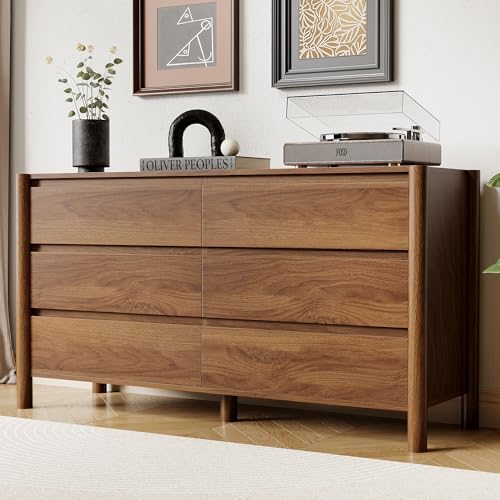
Wood Dressers: The Complete Guide to Choosing Solid Wood Storage
From oak and walnut to pine and bamboo — learn how to pick the right wooden dresser for your bedroom, nursery, or guest room. Compare materials, drawer configurations, and styles before you buy.
Explore Wood Dresser TypesWhy choose a wood dresser? Wood dressers remain the most sought-after bedroom storage furniture for a reason: they offer unmatched durability, timeless aesthetics, and the ability to be refinished or repurposed over decades. Whether you prefer the clean lines of a solid wood 6-drawer dresser or the rustic character of a distressed chest of drawers, this guide will help you make an informed decision. For a broader overview of materials, see our solid wood dresser buying guide.
Types of Wood Dressers by Material
The wood species directly affects durability, grain pattern, and long-term maintenance. Here are the most common options you will encounter:
- Oak Dressers Oak is a dense hardwood with prominent grain and excellent resistance to wear. It is ideal for high-traffic bedrooms and family homes. Browse our six-drawer oak chest of drawers for a classic example.
- Walnut Dressers Walnut offers a rich, dark tone and smooth texture. It is a premium choice that ages gracefully and suits mid-century and modern interiors. Consider a tall brown dresser in walnut for a statement piece.
- Pine Dressers Pine is a softer wood that develops character marks over time. It is an entry-level option often used in farmhouse and cottage styles. See our six-drawer pine chest of drawers for a budget-friendly solid wood option.
- Maple Dressers Maple is hard and fine-grained, resisting dents and scratches. It takes paint and stain well, making it a versatile choice for painted finishes.
- Mahogany Dressers Mahogany is a luxury hardwood with a reddish-brown hue and excellent stability. It is often found in antique and heirloom-quality pieces. Explore antique dressers with curved fronts for mahogany craftsmanship.
- Teak Dressers Teak is naturally water-resistant and often used in humid climates. Its golden-brown color and durability make it a smart choice for coastal or tropical homes. Browse teak dressers for more options.
Choosing the Right Drawer Count and Configuration
The number and layout of drawers should match your storage needs and room size. Here is a practical comparison to help you decide:
| Drawer Count | Best For | Typical Tier | Considerations |
|---|---|---|---|
| 3 Drawers | Small bedrooms, nurseries, guest rooms | Entry-level to mid-range | Compact footprint; often paired with a changing table or used as a bedside dresser. |
| 4–5 Drawers | Couples, teens, medium bedrooms | Mid-range | Balanced storage; look for deep bottom drawers for bulky items. |
| 6 Drawers | Primary bedrooms, shared rooms | Mid-range to premium | The most versatile configuration; often available in wide or tall formats. |
| 7–9 Drawers | Large families, master suites, extensive wardrobes | Premium to luxury | Maximizes vertical storage; ensure the dresser is anchored for safety. |
If you have a small room, a small bedroom dresser or a vertical dresser can free up floor space. For larger rooms, a 72-inch wide dresser provides ample surface area and storage.
Wood Dresser Styles and Finishes
Modern & Minimalist
Clean lines, flat fronts, and neutral finishes. Look for walnut or maple with integrated handles. A modern wood dresser works well in contemporary bedrooms and pairs nicely with black dressers with silver handles for contrast.
Farmhouse & Rustic
Distressed finishes, plank detailing, and warm wood tones. Pine and oak are common. Consider a solid wood farmhouse dresser or a rustic dresser and nightstand set to complete the look.
Mid-Century Modern
Tapered legs, splayed angles, and rich wood grain. Walnut and teak are classic choices. A tallboy drawer unit often features mid-century proportions.
Painted & Two-Tone
Painted wood dressers offer a pop of color while retaining solid wood construction. A white dresser with wooden top combines brightness with natural grain. For a bolder look, explore our emerald green dresser.
Vintage & Antique
Curved fronts, ornate hardware, and aged patina. Browse vintage chest of drawers or antique chest of drawers for sale to find unique character pieces.
Nursery & Children's
Safety-first designs with rounded edges and tip-over restraints. A nursery dresser or children's dresser often doubles as a changing table. See our solid wood changing table dresser options.
What to Look for in a Quality Wood Dresser
Not all wood dressers are created equal. Use these criteria to separate premium construction from entry-level builds:
- Joinery: Dovetail joints on drawer boxes indicate premium craftsmanship. Staples and glue are common in entry-level models.
- Drawer slides: Metal ball-bearing slides with a smooth glide are preferable. For heavy drawers, consider 20-inch heavy-duty drawer slides.
- Wood thickness: Solid wood tops and side panels should be at least 3/4 inch thick. Thin panels may warp over time.
- Finish: A quality finish (lacquer, varnish, or oil) protects against moisture and wear. A painted finish should be even and chip-resistant.
- Safety: Anti-tip straps are essential, especially for tall dressers and children's furniture. Look for tall bedroom dressers with included safety hardware.
- Drawer depth: Deep drawers are ideal for bulky items. Consider a solid wood dresser with deep drawers if you store sweaters or bedding.
Wood Dressers by Room
Primary Bedroom
A 6-drawer wood dresser in oak or walnut is the standard. Pair with a dresser and nightstand set for a cohesive look. If you need extra storage, a dresser with cabinets and drawers combines open and closed storage.
Guest Room
A 3 to 4-drawer wood dresser is usually sufficient. A small chest of drawers for bedside can double as a nightstand. For a complete set, consider a two nightstands and dresser set.
Nursery
Safety and functionality are key. A tall nursery dresser saves floor space, while a 3-drawer dresser changing table provides a dedicated changing surface. Browse our nursery wardrobe set for matching storage.
Closet or Walk-In
A small chest of drawers for closet keeps folded items accessible. For narrow spaces, consider a twin narrow dresser for small spaces.
Ready to Find Your Perfect Wood Dresser?
Explore our curated selection of solid wood dressers, chests, and storage pieces below. Each recommendation is chosen for quality, style, and long-term value.
View Recommended Wood DressersFrequently Asked Questions About Wood Dressers
What is the best wood for a dresser?
Oak and maple are the most durable choices for daily use, while walnut and mahogany offer premium aesthetics and heirloom quality. Pine and bamboo are solid entry-level options for lighter use or secondary rooms.
How many drawers should a wood dresser have?
A 6-drawer dresser is the most versatile for a primary bedroom. 3 to 4 drawers work well for small spaces or nurseries, while 8 to 9 drawers suit shared rooms or those with extensive wardrobes. See our eight-drawer chest of drawers for a high-capacity option.
Are wood dressers worth the investment?
Yes. Solid wood dressers outlast engineered wood by decades, can be refinished multiple times, and often hold resale or heirloom value. They represent a long-term investment in your home.
How do I maintain a wood dresser?
Dust regularly with a soft cloth, avoid direct sunlight, and use a wood conditioner or polish every few months. For painted finishes, touch up chips promptly to prevent moisture damage. If you plan to refinish, see our guide on refinishing a dresser with veneer.
Can a wood dresser be used in a bathroom or humid climate?
Teak and oak are naturally moisture-resistant and work well in humid environments. Avoid pine and particleboard in bathrooms unless properly sealed. A tall storage cabinet in teak is a smart choice for bathroom storage.
Still comparing options? Our wood dressers category page and solid wood dresser buying guide offer deeper dives. For specific sizes, explore 48-inch wide chest of drawers or 36-inch wide chest of drawers.