
Solid Wood Dresser Buying Guide
Everything you need to know before choosing a solid wood dresser: wood species, drawer construction, sizing, finishes, and durability factors that separate a lifetime piece from a short-lived one.
Start the GuideWhy this guide matters: A solid wood dresser is one of the few bedroom furniture pieces that can realistically last decades. But "solid wood" is a broad label, and not every solid wood dresser is built to the same standard. This guide walks you through the decisions that actually affect longevity, storage performance, and everyday usability, so you can compare options with confidence rather than guesswork.
What Counts as a Solid Wood Dresser
The term solid wood is used loosely in furniture retail. In its strictest sense, it means every major structural component, including the top, sides, drawer fronts, and frame, is made from solid lumber rather than engineered panels. In practice, many dressers marketed as solid wood use solid lumber for the visible surfaces and plywood or medium-density fiberboard for internal panels. Neither approach is automatically better, but the distinction matters when you are comparing durability and long-term behavior.
Solid lumber moves with humidity. It expands and contracts seasonally, which is why well-built solid wood dressers use floating panels and reinforced joinery rather than rigid glue-only construction. Engineered panels are dimensionally stable but can sag under sustained load if the core is low grade. A genuinely well-made solid wood dresser will usually show careful attention at the joints, the drawer boxes, and the back panel, not just the front face.
If you are comparing a solid wood option against a veneered or engineered alternative, it helps to understand how each behaves over time. Our comparison of solid wood versus engineered furniture covers the trade-offs in stability, repairability, and refinishing potential. For buyers who want a broad starting point on styles and categories, the dresser types overview is a useful companion to this guide.
Solid Lumber Construction
Top, sides, and drawer fronts cut from solid boards. Repairable, refinishable, and develops character with age. Requires stable indoor humidity to avoid seasonal movement issues.
Mixed Construction
Solid lumber on visible faces with plywood or engineered panels internally. More dimensionally stable and often lighter, but less repairable if a panel is damaged.
Veneered Panels
Thin wood veneer over a stable core. Consistent appearance and good stability, but refinishing options are limited and edge damage is harder to repair.
Wood Species Comparison
The species of wood affects hardness, grain character, weight, and how the piece responds to wear. Harder species resist dents better and are a sensible choice for high-traffic bedrooms or households with children. Softer species are easier to work and often show more pronounced grain, which suits rustic and farmhouse styles. The table below compares the species most commonly used in solid wood dressers.
| Species | Hardness | Grain Character | Best For |
|---|---|---|---|
| Oak | High | Open, pronounced grain | High-traffic bedrooms, farmhouse and traditional styles |
| Walnut | Medium-high | Rich, flowing grain with color variation | Mid-century and modern interiors, statement pieces |
| Maple | High | Fine, close grain | Clean modern looks, painted or natural finishes |
| Cherry | Medium-high | Smooth grain that darkens with age | Traditional and transitional bedrooms |
| Pine | Low-medium | Knotty, rustic character | Rustic, cottage, and casual interiors |
| Teak | High | Straight grain with natural oils | Humid climates, durable everyday use |
Oak and maple are the workhorses of solid wood dresser construction because they hold up well to daily opening and closing. Walnut and cherry are chosen more for appearance and tend to sit in the mid-range to premium tiers of the market. Pine is common in entry-level solid wood pieces; it is genuinely solid wood but softer, so it dents more readily. Buyers in humid regions often lean toward teak for its natural oil content and moisture resistance. Our oak dresser guide and walnut dresser guide go deeper into each species if you have already narrowed the field.
Drawer Construction and Joinery
The drawer box is where solid wood dressers most often reveal their quality. A dresser can have a beautiful solid oak front and still fail early if the drawer boxes are stapled together or run on thin plastic glides. When evaluating a piece, focus on four elements: the drawer sides, the joinery, the glide mechanism, and the load rating.
Drawer sides and bottoms
Solid wood drawer sides are the benchmark. They hold screws better, resist sagging, and can be repaired. Plywood drawer sides are acceptable in mid-range construction and are more stable in fluctuating humidity. Thin hardboard bottoms are a warning sign; look for bottoms that are at least a quarter inch thick and set into a groove rather than stapled to the underside.
Joinery
Dovetail joinery is the traditional standard for drawer boxes because the interlocking pins resist pulling apart under load. Box joints and doweled construction are acceptable in mid-range pieces. Staples and nails alone indicate entry-level construction. For deep or wide drawers, the joinery matters more because the load on the front and back panels is higher.
Glides and load rating
Wood-on-wood glides are traditional and work well on smaller drawers, but they require waxing and become sticky over time. Ball-bearing metal slides are smoother and usually rated for higher loads. If you plan to store heavy items such as denim or linens, look for side-mounted or under-mounted slides with a stated load rating. Our guide to heavy-duty drawer slides explains what the ratings mean in practice.
Construction checkpoints
Dovetail or box joints on drawer boxes, bottoms set into grooves, metal slides rated for the intended load, and a back panel that is attached with screws rather than staples. These four details separate durable solid wood dressers from pieces that look similar on the showroom floor.
Sizing and Drawer Configuration
Solid wood dressers are heavier than engineered alternatives, so sizing decisions should account for both the room layout and the practical difficulty of moving the piece later. Measure the intended wall space, the doorway clearance, and the turning radius on the route into the bedroom before committing to a wide or tall model.
| Configuration | Typical Width | Best For |
|---|---|---|
| 3-drawer | Narrow to standard | Small bedrooms, bedside storage, guest rooms |
| 4 to 5-drawer | Standard | Individual use, mixed clothing and accessories |
| 6-drawer | Standard to wide | Couples, shared storage, full wardrobes |
| 8 to 9-drawer | Wide | Large bedrooms, dedicated clothing storage |
| Tall chest | Narrow footprint | Small floor plans, vertical storage |
Drawer depth is as important as drawer count. Deep drawers suit bulky items such as sweaters and bedding, while shallow drawers are better for folded shirts and accessories. If your storage needs are mixed, a combination of deep and shallow drawers usually works better than a uniform stack. Buyers with limited floor space often find that a vertical dresser or a small bedroom dresser delivers more usable storage per square foot than a wide low piece.
For shared bedrooms, a solid wood 6-drawer dresser is a practical middle ground: enough capacity for two people without dominating the room. If you are furnishing from scratch, matching sets such as a two nightstands and dresser set keep proportions and finishes consistent across the room.
Finishes, Hardware, and Style
Finish choice affects both appearance and maintenance. Oil finishes penetrate the wood and are easy to spot-repair but require periodic reapplication. Lacquer and polyurethane finishes form a protective film that resists moisture and stains but can chip, and spot repair is harder. Conversion varnish is common on higher-tier pieces and offers strong chemical and moisture resistance. If the dresser will sit near a window or in a humid room, a film finish is usually the lower-maintenance choice.
Hardware is a low-cost upgrade that changes the character of a solid wood dresser significantly. Brass and bronze pulls read traditional, matte black reads modern, and leather or wood pulls read casual. Because solid wood dressers are refinishable, hardware swaps are a low-risk way to update a piece later. If you are considering a painted look, note that paint hides grain, so it works best on species with less dramatic grain, such as maple.
Natural oil finish
Penetrating, repairable, and highlights grain. Requires re-oiling every year or two depending on use.
Lacquer or polyurethane
Protective film with good moisture resistance. Easy to clean, but chips are harder to blend invisibly.
Painted finish
Hides grain and suits clean, modern, or farmhouse styles. Touch-ups are straightforward on solid wood.
Style should follow the room rather than the other way around. A solid wood farmhouse dresser pairs well with plank walls and painted trim, while a mid-century dresser suits lower ceilings and warmer wood tones. If you want a mirror above the dresser, a solid oak dresser with mirror is a classic combination that also improves the room's light distribution.
Quality Tiers and What They Mean
Because this guide deliberately avoids figures, the table below uses relative quality tiers to describe where a solid wood dresser sits in the market. The tiers reflect construction methods and material selection, not any specific figure. A mid-range dresser can be an excellent long-term choice; the point is to know what you are comparing.
| Tier | Construction Signals | Best For |
|---|---|---|
| Entry-level | Solid fronts with softer species, stapled or nailed drawer boxes, basic glides | Guest rooms, first apartments, low-traffic use |
| Mid-range | Solid lumber or stable panels, box joints, metal side slides | Primary bedrooms, everyday use |
| Premium | Dovetail joinery, under-mount slides, harder species, quality film finish | Long-term daily use, shared bedrooms |
| High-end tier | Fully solid construction, hand-finished surfaces, premium hardware, tested load ratings | Heirloom pieces, design-led interiors |
A useful rule: the drawer mechanism and joinery tell you more about how a dresser will age than the species name on the label. A premium-tier dresser in a softer species with dovetail drawers and quality slides will usually outlast an entry-level dresser in a harder species with stapled boxes.
Pre-Purchase Checklist
Before finalizing a choice, run through this checklist. It is designed for buyers who have already shortlisted a few models and need a consistent way to compare them.
- Confirm the construction: Ask which parts are solid lumber and which are engineered. Any reputable seller should be able to answer.
- Inspect the drawer boxes: Dovetail or box joints, bottoms in grooves, and slides rated for the intended load.
- Check stability: A solid wood dresser should not rock or flex when the drawers are opened. Anti-tip hardware is essential, especially for taller models and nursery use.
- Measure the route: Doorway width, hallway turns, and stair clearance matter more with heavy solid pieces.
- Match drawer depth to contents: Mix deep and shallow drawers if your storage is varied.
- Consider humidity: Solid wood needs a stable indoor environment. Avoid placing the dresser directly against a radiator or in a damp room.
- Plan for maintenance: Oil finishes need periodic reapplication; film finishes need gentle cleaning.
If a nursery is part of the plan, safety requirements change the priority order: anti-tip anchoring, drawer stops, and non-toxic finishes come first. Our nursery dresser guide covers those requirements in detail, and the solid wood changing table dresser page explains how to combine storage and a changing surface in one piece.
Frequently Asked Questions
Is solid wood always better than engineered wood?
Not automatically. Solid wood is repairable and refinishable, and it develops character over time. Engineered panels are more dimensionally stable and often more consistent in appearance. The deciding factor is construction quality: a well-built engineered dresser with good slides can outperform a poorly built solid wood one.
Which wood species is best for a dresser?
Oak and maple are the most practical for daily use because of their hardness. Walnut and cherry are excellent if appearance is the priority. Pine is suitable for rustic styles and lighter use. Teak is a strong choice in humid climates. Match the species to the room's use rather than to a single "best" label.
How can I tell if a dresser is genuinely solid wood?
Look at the grain on the top, sides, and drawer fronts: it should continue consistently around edges rather than repeating as a printed pattern. Check the underside and the back panel for solid boards. Ask directly which components are solid and which are panels, and inspect the drawer boxes for joinery rather than staples.
Do solid wood dressers need special care?
Keep indoor humidity relatively stable, dust with a dry or slightly damp cloth, and avoid harsh cleaners on film finishes. Oil-finished pieces benefit from periodic re-oiling. Use coasters under plants or lamps to prevent moisture rings on the top surface.
How many drawers do I need?
Three to five drawers suit an individual. Six drawers is a practical choice for couples or for mixed clothing storage. Eight to nine drawers suits large bedrooms or dedicated clothing storage. Drawer depth matters as much as count: deep drawers for bulky items, shallow drawers for folded clothing and accessories.
Are solid wood dressers worth the investment?
For a primary bedroom used daily, a well-built solid wood dresser is a long-term investment: it can be repaired, refinished, and passed on. For low-traffic guest rooms, a mid-range piece may be the more efficient choice. The key is matching construction quality to how hard the piece will be used.
Ready to Compare Solid Wood Dressers?
Use the checklist above to shortlist models, then review our recommended solid wood dressers and storage pieces to find the right fit for your bedroom.
View Recommended DressersRecommended Solid Wood Dressers & Storage
⚠️ AFFILIATE DISCLOSURE: This website contains affiliate links. As an Amazon Associate, we earn from qualifying purchases. If you make a purchase through these links, we may receive a small commission at no additional cost to you. Read our full affiliate policy.

lamxxyoo Wood Drawer Slides 16 Inches Bottom Mount Replacement, Solid Wooden Drawer Runners Center Guide Track Rail for Dresser Cabinet Drawer Repair, Cuttable for Old Drawers (1, L002(15.75"))
Check price on Amazon
lamxxyoo Wood Drawer Slides 18 Inches Bottom Mount Replacement, Solid Wooden Drawer Runners Center Guide Track Rail for Dresser Cabinet Drawer Repair, Cuttable for Old Drawers (1, L002(17.72"))
Check price on Amazon
Maitys 8 Pcs Wooden Drawer Slide, 15.8 Inch Wood Bottom Mount Guides Track | Wooden Slide Rails for Dresser Replacement, Center Track with Metal Glides, Fits Classic Cabinet Furniture Repair
Check price on Amazon
Btibpse Wooden Drawer Slides 40cm Classic Wood Center Guide Track (15-3/4'')
Check price on Amazon
Wood Drawer Slides 18 Inch, Solid Beech Wood Center Guide Track Replacement | Traditional Wooden Drawer Runner with 4 Hole for Old Furniture Repair, Dresser Cabinet Restoration and DIY Drawer Replacement
Check price on Amazon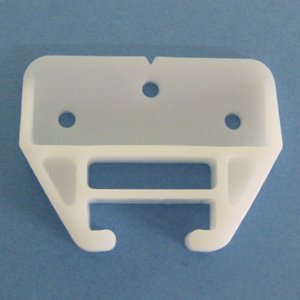
Plastic Drawer Guides with Screws (6 Pack) Center Mount Dresser Drawer Guide Brackets Pump
Check price on Amazon
CAMGJORT(12 PCS) Drawer Guides Center Mount 2-7/16 x 1-7/8 x 1/2 Plastic Drawer Track Guides with Screws for Dresser Furniture Cabinet Closet Drawer
Check price on AmazonDisclaimer
The information provided on DresserAdvisor is for educational and informational purposes only. We are not furniture professionals, and our content should not replace professional advice from qualified furniture makers, interior designers, or safety experts. Some content may use AI assistance. Always check product safety standards and certifications before purchasing. If you do not agree, please do not use this website. Read the full disclaimer.