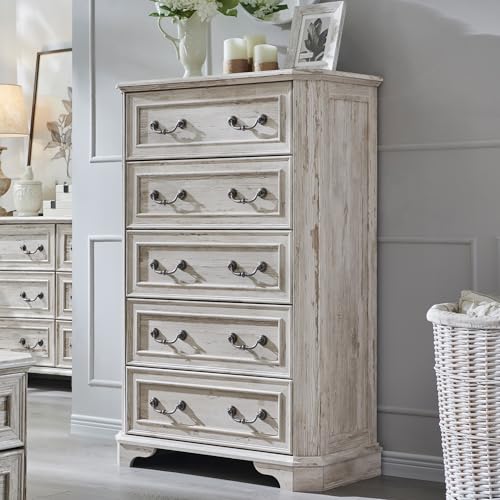
Distressed Chest of Drawers: Weathered Charm for Your Bedroom
Explore the world of distressed chests of drawers — from shabby chic finishes to rustic reclaimed wood. Learn how to evaluate quality, match a style to your space, and choose a piece built to last.
Start Your GuideWhy distressed? A distressed chest of drawers brings warmth, texture, and personality to a room that a pristine factory finish cannot replicate. The intentionally weathered look — whether achieved through hand-finishing, reclaimed timber, or deliberate aging techniques — transforms a functional storage piece into a focal point of your bedroom design.
What Is a Distressed Chest of Drawers?
A distressed chest of drawers is a storage piece featuring a deliberately aged or weathered finish. The effect may come from hand-rubbed paint, sanded edges, whitewashing, or the use of reclaimed timber with natural imperfections. The goal is not damage — it is controlled character.
Modern distressed furniture spans several interpretations. Some pieces are crafted new with intentional finishing techniques, while others are genuine antique chests whose patina has developed naturally over decades. Both approaches deliver the textured, lived-in aesthetic that defines the style.
Distressed finishes pair naturally with farmhouse dressers, rustic dressers, Shaker-style chests, and boho chests. The look is equally at home in coastal, cottage, and transitional interiors.
Key Benefits of a Distressed Finish
- Visual texture: Weathered surfaces add depth and warmth that flat finishes cannot match.
- Hides everyday wear: A distressed finish is forgiving — new scratches blend into the existing character.
- Style versatility: Works across farmhouse, rustic, coastal, and boho interiors.
- Characterful focal point: A distressed chest anchors a bedroom with personality.
- Great for repurposed timber: Reclaimed wood pieces are both sustainable and uniquely beautiful.
Popular Distressed Chest of Drawers Styles
Distressed finishes appear across several furniture traditions. Understanding the main styles helps you match the piece to your existing bedroom design and personal taste.
1. Farmhouse and Cottage
Whitewashed or softly painted finishes with sanded edges define the farmhouse distressed look. These pieces pair beautifully with white dressers and painted dressers collections.
2. Rustic Reclaimed
Built from reclaimed timber with visible knots, nail holes, and natural grain, rustic dressers celebrate imperfection. These pieces are often heavier and built for decades of use.
3. Shabby Chic
Soft pastel or cream finishes with deliberate chipping and layered paint define the shabby chic aesthetic. Pairs naturally with vintage-inspired dresser knobs and drawer pulls.
4. Industrial Weathered
Mixed-material pieces combining distressed wood with metal dressers accents. These suit loft, urban, and transitional bedrooms.
5. Boho and Eclectic
Layered finishes, mixed textures, and global influences come together in boho chests. These pieces embrace a handcrafted, imperfect look.
Distressed Chest Tiers: A Quick Comparison
Distressed chests vary widely in construction quality. The framework below uses universal quality descriptors to help you orient your search — no fixed figures, just relative positioning within the market.
| Tier | Best For | Typical Characteristics | Construction Notes |
|---|---|---|---|
| Entry-Level | First distressed piece, casual decor | Factory-applied distressing, simpler joinery | May use mixed materials; inspect drawer action carefully |
| Mid-Range | Everyday bedroom storage, style-focused buyers | Hand-finished distressing, solid wood frame, quality hardware | Dovetail joints common; durable construction for daily use |
| Premium | Design-conscious interiors, collectible pieces | Reclaimed or solid premium timber, artisan finish, refined details | High-grade materials; tight joinery and smooth drawer operation |
| Luxury | Investment pieces, heritage collections | Rare reclaimed timber, exceptional craftsmanship, documented provenance | Museum-grade construction; professional-grade finishing |
Use this framework as a guide rather than a rigid rule. A well-built mid-range piece frequently outperforms an entry-level model with hidden flaws. For a broader framework, see our dresser quality guide.
How to Evaluate a Distressed Chest of Drawers
Distressed finishes can conceal as much as they reveal. Inspect systematically to separate genuine quality from cosmetic shortcuts.
The Essential Inspection Checklist
- Drawer action: Open and close every drawer. They should glide smoothly without excessive wobble. Sticking drawers may indicate structural issues.
- Joinery quality: Look for dovetail joints at drawer corners. Hand-cut dovetails signal higher craftsmanship than stapled or nailed construction.
- Wood integrity: Distressed finishes are intentional, but structural cracks, splits, and signs of woodworm are not. Check carefully under the finish.
- Hardware condition: Original dresser knobs and drawer pulls add character. Confirm standard spacing if you plan replacements.
- Finish stability: Test for flaking paint or sticky residue. Distressed finishes should be sealed to protect the wood underneath.
- Structural stability: Push gently on the corners. A well-built chest should not rack or sway noticeably.
- Dimensions: Measure your space and doorways before purchase. Compare against our dresser size guide to confirm fit.
Pro Tip: Check the Underside and Back
Flip the piece or use a flashlight to inspect hidden surfaces. These areas reveal construction methods and hidden damage that a decorative front finish cannot disguise. A quality distressed chest remains solid where nobody looks.
Materials and Finishes for Distressed Chests
The material and finishing technique of a distressed chest affect durability, appearance, and maintenance needs. Here are the most common options.
Pine
Soft and easy to distress, pine chests are common in farmhouse and cottage styles. Pine shows wear readily but is straightforward to refinish. Browse pine dressers for finish variations.
Oak
Dense and durable, oak chests are a staple of rustic and traditional distressed pieces. Oak develops a rich patina over time. Explore oak dressers for natural wood options.
Reclaimed Timber
Reclaimed wood pieces feature authentic weathering, nail holes, and grain variation. They are inherently sustainable and carry a story. For natural-finish comparisons, see our solid wood chests guide.
Painted and Whitewashed Finishes
Hand-rubbed paint, whitewashing, and layered finishes are hallmarks of distressed style. See our painted dressers and white dressers collections for inspiration. If you plan to refresh a piece, review how to paint a dresser before starting.
Natural Wood Finishes
Some distressed chests showcase natural wood tones with sanded or wire-brushed surfaces. Our natural wood dressers collection covers this look in depth.
Sizing a Distressed Chest for Your Bedroom
Distressed chests come in many proportions, and heavier rustic builds can differ from standard modern dimensions. Measure your available wall space, account for door swing clearance, and confirm walkway access before purchase.
Drawer count is a practical consideration. A 3-drawer dresser suits a guest room, while a 5-drawer dresser or 6-drawer dresser fits a primary bedroom. For vertical storage in tight footprints, explore tall dressers and narrow dressers.
For a complete sizing framework, consult our dresser buying guide and how to choose a dresser resources.
Placement and Styling Ideas
A distressed chest can anchor a bedroom, add warmth to a hallway, or serve as a characterful accent in a living room chest arrangement. In a nursery, consider nursery chests with safety straps and stable proportions.
Pair a distressed chest with a dresser with mirror for a classic vanity setup, or combine it with a dresser and nightstand set for a coordinated bedroom. If you are optimizing a small room, browse small bedroom storage ideas and apartment bedroom storage guides.
For organization inspiration, see our drawer organization ideas, drawer dividers guide, and folding clothes tips.
Caring for a Distressed Chest of Drawers
Proper care preserves both the finish and the structural integrity of a distressed chest. Dust regularly with a soft, dry cloth. Avoid harsh chemical cleaners, which can strip intentional finishes. Keep the piece away from direct heat sources and prolonged sunlight, which may fade painted surfaces unevenly.
Lubricate drawer glides annually with a wax-based product, and tighten loose hardware promptly. If the finish begins to flake, apply a matching clear sealant to protect the wood. For cleaning guidance, review our how to clean a dresser resource. For hardware upgrades, explore gold hardware dressers and black hardware dressers.
Frequently Asked Questions
What is a distressed chest of drawers?
How do I know if a distressed finish is high quality?
Can I refresh the finish on a distressed chest?
How many drawers do I need in a distressed chest?
Is a distressed chest suitable for a nursery?
Ready to Choose Your Distressed Chest?
Explore our curated selection of distressed, rustic, and reclaimed chests of drawers to complete your bedroom storage.
View Recommended Pieces