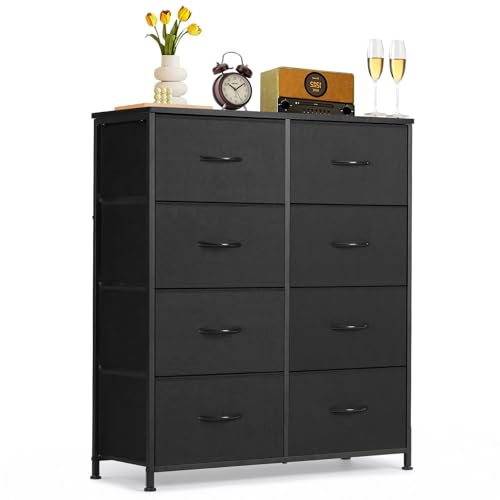
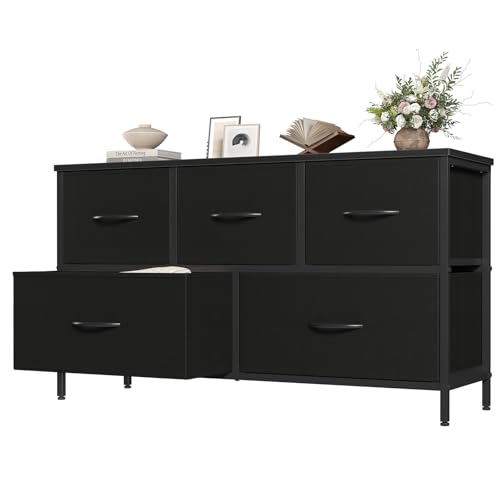
Small Bedroom Dresser: Smart Storage for Compact Spaces
Compact rooms demand clever furniture. Learn how to choose a small bedroom dresser that maximizes storage, fits your floor plan, and keeps your space calm and organized — without sacrificing style or function.
Explore the GuideWhy a Small Bedroom Dresser Works
A small bedroom dresser is more than a downsized version of a standard unit. It is a deliberate storage solution for rooms where every inch matters. In compact bedrooms, apartments, guest rooms, and dorm-style spaces, the right small dresser can replace bulky furniture while keeping clothing accessible and organized.
The main advantage is efficiency. A well-designed compact dresser delivers a high storage-to-footprint ratio, especially when it uses vertical space. Instead of spreading clothes across a wide, shallow unit, a vertical dresser stacks drawers upward, freeing floor area for walking, a bed, or a workspace.
Small dressers also fit into awkward spots: narrow walls, corners, alcoves, and even closets. If your room has limited wall space, a shallow dresser for small spaces can sit flush against a wall without blocking traffic flow. And if you need dual-purpose furniture, a small chest of drawers for bedside can serve as both a nightstand and clothing storage.
Beyond practicality, compact dressers encourage intentional organization. With fewer drawers, you naturally curate what you keep nearby — which is exactly the mindset that keeps small bedrooms calm and clutter-free.
Small Bedroom Dresser Sizes & Dimensions
Understanding dimensions is the first step to choosing a dresser that fits. Measure your available wall space, door swings, and walking clearance before shopping. As a rule of thumb, leave at least 24 inches of clear floor space in front of the dresser so drawers can open fully.
| Category | Typical Width | Typical Depth | Best For |
|---|---|---|---|
| Narrow dresser | 24–30 in | 15–18 in | Very tight walls, closets, beside the bed |
| Small dresser | 30–40 in | 16–19 in | Compact bedrooms, guest rooms |
| Standard small | 40–48 in | 17–20 in | Rooms with moderate wall space |
| Tall narrow | 24–32 in | 16–19 in | Maximizing vertical storage in tiny rooms |
Height matters as much as width. A tall narrow dresser can hold five or six drawers in the same floor footprint as a three-drawer unit. If you are shopping for a very specific fit, explore twin narrow dressers for small spaces or a white narrow dresser to match a light, airy palette.
For rooms that are tight on depth, a small chest dresser with a shallower profile can be the difference between a blocked walkway and a comfortable one. Always confirm interior drawer depth as well — exterior dimensions do not always reflect usable storage.
Choosing the Right Drawer Layout
The number and configuration of drawers determine how usable a small dresser really is. Three drawers suit minimal wardrobes, guest rooms, or children's clothing. Four drawers add flexibility for folded tops and bottoms. Five and six drawer configurations are the sweet spot for full-time use in a compact bedroom.
Look for a mix of drawer heights. A deep bottom drawer handles bulky items like sweaters and jeans, while shallower top drawers keep socks, undergarments, and accessories visible. If you are comparing options, six drawer dressers often provide the best balance of capacity and footprint for small rooms.
Drawer glide quality matters more in small dressers because you will open them frequently in tight quarters. Side-mounted ball-bearing slides are common in mid-range models, while undermount soft-close slides appear in premium and high-end tier units. If smooth operation is a priority, review 20 inch heavy duty drawer slides as a reference point for hardware expectations.
Also consider drawer interior width. Narrow dressers can have drawers wide enough for folded shirts but not for bulky bedding. Match the internal dimensions to what you actually store, not just the exterior size.
Materials & Build Quality
Small dressers are subject to the same durability standards as larger furniture. Solid wood construction — oak, pine, maple, or walnut — offers long-term structural integrity and can be refinished over time. Engineered wood with quality veneers is a practical option in the mid-range tier and often provides consistent finishes.
When evaluating build quality, check the following:
- Joinery: Dovetail joints signal premium construction; stapled or glued joints are common at entry level.
- Drawer bottoms: Reinforced bottoms resist sagging under clothing weight.
- Back panels: A solid or well-braced back panel improves stability in tall units.
- Finish: A smooth, sealed finish resists moisture and daily wear.
- Stability: Anti-tip hardware is essential, especially for tall narrow dressers in small rooms.
For a deeper dive into wood selection, the solid wood dresser buying guide explains how different species perform over time. If you prefer a specific wood, browse wood dressers or teak dressers for warm, durable options that suit compact spaces.
Entry-level models often use lightweight engineered panels, which are suitable for guest rooms and light use. Mid-range units typically add better hardware and sturdier drawer boxes. Premium and luxury tiers focus on solid hardwood, refined joinery, and hand-finished surfaces.
Key Buying Factors for a Small Bedroom Dresser
Before you choose, evaluate these factors in order of importance for compact rooms:
1. Footprint and Clearance
Confirm the width, depth, and height against your wall space. Account for baseboards, outlets, and window trim. Leave enough room for drawers to extend fully without hitting the bed or doorway.
2. Storage Capacity
Compare usable drawer volume, not just drawer count. A five-drawer tall dresser may hold more than a six-drawer wide unit with shallow drawers. Consider how you fold and store clothing to match the drawer heights.
3. Style and Finish
Compact furniture is highly visible, so finish matters. A white dresser with wooden top blends light and warmth, while a dresser with painted finish can add a controlled pop of color. Neutral tones tend to make small rooms feel larger.
4. Hardware and Function
Smooth glides, secure stops, and comfortable pulls improve daily use. Soft-close mechanisms reduce noise in shared spaces. Check whether handles protrude into walkways in tight rooms.
5. Safety
Tall, narrow dressers must be anchored to the wall. Look for included anti-tip kits and weight ratings. This is especially important in children's rooms and nurseries.
6. Assembly and Delivery
Some compact dressers ship flat-packed. If assembly is a concern, an easy to assemble white dresser can simplify setup. Confirm whether the unit arrives fully assembled or requires tools.
Organization Tips for Small Dressers
Efficient organization is what makes a small dresser feel generous. Start by decluttering: keep only what you wear regularly in the bedroom, and store seasonal or occasional items elsewhere.
- Use dividers: A clothes drawer organizer keeps socks, undergarments, and accessories separated and visible.
- Fold vertically: File-folding clothes lets you see every item at a glance and uses drawer depth efficiently.
- Assign zones: Top drawers for small items, middle drawers for folded tops, bottom drawers for bulky clothing.
- Rotate seasonally: Swap heavy sweaters for lighter layers as seasons change to keep drawers breathable and uncluttered.
- Maximize height: Use drawer dividers and stackable inserts in tall drawers to create two functional levels.
If your dresser sits inside a closet, a small chest of drawers for closet can centralize storage and free up shelf space. Pairing a compact dresser with a small cabinet with doors and drawers creates a flexible storage wall in tight rooms.
Placement Ideas for Compact Bedrooms
Where you place a small dresser affects both function and flow. Consider these arrangements:
- Along a narrow wall: A slim dresser fits where wider units cannot, leaving the center of the room open.
- Beside the bed: A small chest can double as a nightstand, especially in rooms without space for separate bedside tables.
- Inside a closet: A compact dresser inside a walk-in or reach-in closet centralizes clothing storage and reduces bedroom clutter.
- Under a window: Low-profile dressers can sit beneath windows without blocking light.
- Corner placement: A corner dresser uses dead space and keeps walkways clear.
For rooms with very limited wall space, a black beside dresser can anchor a bedside setup with a compact footprint. If you are coordinating a full bedroom refresh, a two nightstands and dresser set can unify the room without overwhelming it.
Keep visual weight low in small rooms. Lighter finishes, tapered legs, and open floor beneath the dresser create a sense of spaciousness. Avoid blocking heating vents or windows, and always anchor tall units to the wall.
Frequently Asked Questions
What is the best size for a small bedroom dresser?
A small bedroom dresser typically ranges from 30 to 48 inches wide, 15 to 20 inches deep, and 30 to 50 inches tall. For very tight rooms, narrow dressers around 24 to 30 inches wide work well, while vertical dressers maximize height without consuming floor space.
How many drawers do I need in a small bedroom dresser?
Most small bedroom dressers offer 3 to 6 drawers. A 3-drawer model suits minimal wardrobes or guest rooms, while a 5 or 6-drawer tall dresser provides more storage in the same footprint by stacking vertically.
Where should I place a small dresser in a compact bedroom?
Place a small dresser along a wall with clear walking space of at least 24 inches. Corners, beside the bed as a nightstand alternative, or inside a closet are excellent spots. Measure door swings and leave room for drawers to open fully.
Are tall narrow dressers good for small bedrooms?
Yes, tall narrow dressers are excellent for small bedrooms because they use vertical space instead of floor area. They typically offer 5 to 6 drawers in a footprint of about 24 to 30 inches wide, making them efficient for compact rooms.
How do I keep a small dresser from feeling cramped?
Choose a light finish or a unit with tapered legs to create visual space, keep the top surface uncluttered, and use vertical storage above the dresser. Anchoring the unit to the wall also improves stability and safety in tight rooms.
Ready to Choose Your Small Bedroom Dresser?
Compare compact dressers, narrow chests, and space-saving storage options selected for small bedrooms. Review features, dimensions, and drawer layouts to find the right fit for your room.
Explore Recommended Options