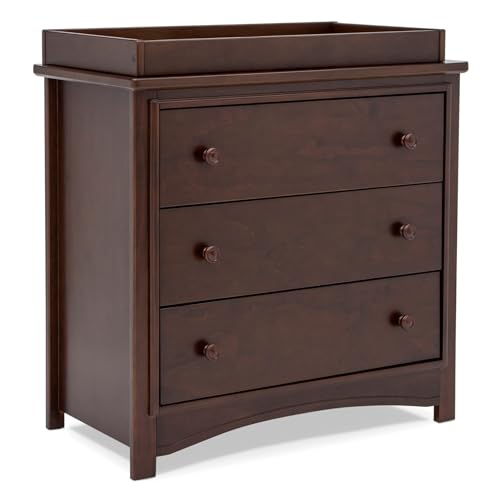
Solid Wood Changing Table Dresser: The Complete Buying Guide
A solid wood changing table dresser combines a safe, dedicated diaper-changing surface with long-lasting nursery storage. Learn how to choose one that grows with your child and stands up to years of daily use.
EXPLORE THE GUIDEWhat Is a Solid Wood Changing Table Dresser?
A solid wood changing table dresser is a dual-purpose nursery furniture piece. The top surface is designed with raised sides or a contoured changing area to hold a changing pad securely, while the body below consists of drawers for clothing, diapers, wipes, and bedding. Unlike a dedicated changing station that becomes obsolete once your child is out of diapers, this piece converts into a standard dresser and remains useful for years.
The "solid wood" designation means the primary structure — frame, drawer fronts, and top — is built from real wood rather than particle board or MDF covered in veneer. Common species include pine, oak, maple, and birch. Solid wood construction typically translates to sturdier joinery, better screw retention, and the ability to refinish or repair the surface if it gets scratched or dented during the toddler years.
Parents often discover these pieces while searching for a dresser-to-changing-table conversion, but a purpose-built model eliminates the guesswork around topper fit and safety strap anchoring. If you are still comparing layouts, the broader nursery dresser collection covers configurations beyond the solid wood category.
Why Choose Solid Wood Over Engineered Wood
The material decision is the single biggest factor in how a changing table dresser performs over time. Engineered wood — particle board and MDF — uses resin binders and is generally lighter and more uniform in appearance. Solid wood, by contrast, is heavier, accepts hardware more securely, and can be sanded and refinished if the finish wears.
Durability and Weight Capacity
A changing table dresser carries a baby, a changing pad, and supplies on top, plus clothing in every drawer. Solid wood frames handle that load without the sagging that can develop in particle board shelves and drawer bottoms over months of use. Reinforced drawer boxes and dovetail or mortise-and-tenon joinery are common in higher-tier solid wood pieces and are strong indicators of long-term structural integrity.
Repairability and Refinishing
Wood takes stain and paint well. If the top gets scratched or the color no longer matches a nursery theme, a solid wood surface can be sanded and refinished. Engineered wood with a veneer cannot be sanded aggressively without exposing the core. For families planning to keep the piece through multiple children, this repairability is a meaningful advantage. Our guide on solid wood vs. engineered furniture goes deeper into the trade-offs.
Indoor Air Quality Considerations
Engineered wood products can emit volatile organic compounds from adhesives, especially when new. Solid wood finished with low-VOC or water-based sealants is often preferred by parents who are sensitive to nursery air quality. Always check the manufacturer's finish disclosure and look for independent indoor air quality certifications when available.
Safety Features That Matter
Safety is the non-negotiable category for any nursery furniture. A changing table dresser should be evaluated on several specific points before purchase.
Anti-Tip Restraint and Wall Anchoring
Every dresser sold today should include an anti-tip kit, and a changing table dresser must be anchored to the wall without exception. The top surface raises the center of gravity, and an active toddler pulling on an open drawer can create a tipping hazard. Confirm the kit is included in the box and that the anchoring hardware suits your wall type — drywall anchors for studs are standard, but masonry walls need different fasteners.
Contoured Top and Safety Straps
Look for a changing surface with raised edges on at least three sides, or a recessed area sized for a standard contoured changing pad. A safety strap is essential, but it should never replace a hand on the baby. The strap anchor point should be bolted or screwed into the wood frame, not stapled to a thin panel.
Drawer Stops and Soft-Close Mechanisms
Drawer stops prevent drawers from pulling completely out and falling on a crawling baby. Soft-close glides reduce the chance of pinched fingers. Both are common on mid-range and premium pieces and are worth confirming in the product specification sheet. Locking drawers, as found on some tall dressers with locking drawers, add another layer of control for curious toddlers.
Safety reminder: Never leave a baby unattended on a changing surface, even for a moment, and always keep one hand on the child while reaching for supplies. Place the changing table dresser away from windows, blinds cords, and heating sources.
Popular Styles and Configurations
Changing table dressers come in several shapes, and the right one depends on nursery size, storage volume, and the design language of the room.
Standard Wide Dresser with Topper
The most common configuration is a wide, three-to-six-drawer dresser with a removable changing topper. The topper adds raised sides and a strap anchor, and it lifts off when the diaper stage ends. This is the most flexible option because the dresser underneath remains a standard piece of bedroom furniture.
Tall Changing Table Dresser
A taller, narrower footprint suits small nurseries where floor space is limited. These models often pair three wide drawers with two smaller top drawers. A tall changing table with drawers keeps the changing surface at a comfortable standing height while preserving a compact base. Be aware that a taller piece has a higher center of gravity, so wall anchoring is even more critical.
Convertible Crib and Dresser Sets
Matching sets coordinate finishes and hardware across the crib, dresser, and changing station. A matching dresser and nightstand set can extend the furniture into a guest room or older child's bedroom once the nursery years pass.
Drawer Count and Storage Planning
Nursery storage needs change quickly. Newborn clothing is small, but diaper supplies, bedding, and blankets take up volume. A practical rule is to plan for at least one more drawer than you think you need at the start.
- Three to four drawers: A starter configuration suitable for a compact nursery or a secondary changing station. Expect to supplement with baskets or a closet organizer.
- Five to six drawers: The balanced tier for most families. Two shallow top drawers for wipes, creams, and small items; four deeper drawers for clothing and bedding.
- Seven or more drawers: A high-capacity setup that can absorb hand-me-down clothing, seasonal rotation, and bulk diaper storage. Useful if the nursery has limited closet space.
Drawer depth matters as much as count. Deep drawers handle folded stacks and blankets efficiently, while shallow drawers are better for small items that would otherwise get lost in a deep well. Interior organizers, such as a stackable drawer organizer, keep onesies and socks separated and make middle-of-the-night changes faster. For a broader approach to keeping the nursery tidy, see the complete dresser organization guide.
Solid Wood vs. Engineered Wood: Side-by-Side Comparison
The table below summarizes the practical differences parents ask about most often. Use the tier descriptors to match a product to your expected years of use rather than comparing specific figures.
| Feature | Solid Wood (Entry-Level to Premium Tiers) | Engineered Wood (Starter to Mid-Tiers) |
|---|---|---|
| Structural durability | Heavy-duty construction; resists sagging under sustained load | Adequate for light use; drawer bottoms may bow over time |
| Hardware retention | Holds screws and bolts securely; can be tightened repeatedly | Can strip if hardware is removed and reinserted often |
| Refinishing potential | Can be sanded, stained, or repainted | Veneer limits sanding; repair options are limited |
| Weight and stability | Heavier base improves stability | Lighter and easier to move; more dependent on wall anchoring |
| Typical market position | Mid-range to luxury tiers depending on joinery and finish | Entry-level to mid-tier; feature-rich for its class in some models |
| Best for | Long-term investment, multi-child use, refinishing plans | Short-term nursery use, renters, quick setup |
Pros and Cons at a Glance
Advantages
- Dual-purpose design extends furniture lifespan beyond the diaper years
- Solid build handles daily loading and toddler activity
- Repairable and refinishable surface
- Better hardware retention for repeated drawer use
- Coordinates with solid wood cribs and other bedroom pieces
Considerations
- Heavier and harder to move without help
- Requires consistent wall anchoring
- Wood grain and color vary between individual pieces
- Changing topper is an extra component to store after use
- Needs periodic checking of screws and anchoring hardware
Converting to a Standard Dresser Later
One of the strongest arguments for this category is the transition. When the changing phase ends, remove the topper, patch or cover the strap anchor holes if they are visible, and the piece becomes a normal bedroom dresser. The drawers are already sized for folded clothing, and the height is comfortable for a school-age child to use independently.
If you already own a dresser and want to add a changing surface, a conversion topper is a practical alternative to buying new furniture. The step-by-step approach in our turning a dresser into a changing table guide covers topper fit, strap anchoring, and surface protection. Families who prefer a dedicated tall unit may also compare a tall changing table with drawers against a convertible wide model before committing.
Care and Maintenance Tips
Solid wood is forgiving but not indestructible. A few habits keep the finish and structure in good condition through the nursery years and beyond.
- Wipe spills promptly. Standing moisture can raise grain and stain the finish. Use a slightly damp cloth and dry immediately.
- Avoid harsh cleaners. Abrasive sprays and bleach solutions can dull the finish. Mild soap and water are usually sufficient.
- Check hardware quarterly. Re-tighten screws on drawer glides, strap anchors, and the anti-tip bracket. Loose hardware is a safety issue, not just a cosmetic one.
- Protect the top. Use a changing pad with a waterproof cover, and consider a felt pad under any lamp or decor item on the surface.
- Control humidity. Solid wood expands and contracts with moisture. Keep the nursery at a stable indoor humidity level to reduce seasonal movement and finish cracking.
For cleaning routines that apply to all wood furniture, see our general guidance on how to clean a dresser.
Frequently Asked Questions
Ready to Compare Solid Wood Changing Table Dressers?
Browse recommended models, check availability, and compare features across entry-level to premium tiers.
View Recommended Options