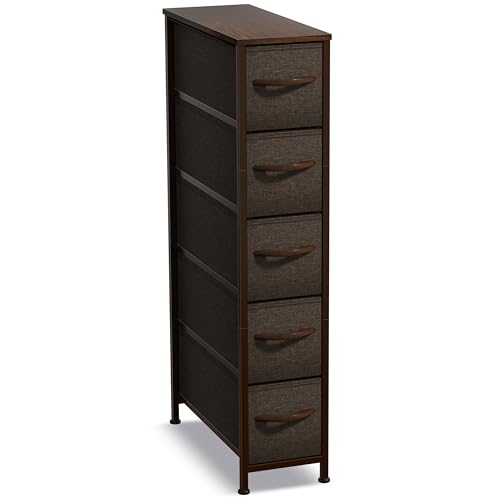
Twin Narrow Dressers for Small Spaces: The Complete Guide
Learn how a paired narrow dresser setup can double your bedroom storage without crowding your floor plan. Sizing, placement, materials, and organization covered.
Why twin narrow dressers work: Instead of forcing one oversized dresser into a cramped bedroom, pairing two slim units lets you distribute storage evenly, keep walking paths clear, and create a balanced, intentional layout. This guide explains exactly how to choose, place, and organize a twin narrow dresser arrangement for a small space.
What Are Twin Narrow Dressers?
The phrase "twin narrow dressers" describes a matching pair of slim dressers used together in one room. Each unit is typically between 24 and 36 inches wide, which means the pair together delivers the drawer capacity of a standard wide dresser while remaining flexible enough to split into separate zones. This flexibility is exactly what makes the arrangement so effective in compact bedrooms, studio apartments, dorm rooms, and guest rooms.
Some shoppers buy a coordinated pair from a furniture set, while others source two identical narrow models and treat them as a matched set. Either approach works, and both benefit from the same planning principles: measure the wall, confirm drawer capacity, and choose a construction tier that matches how heavily the dressers will be used. If you want a broader overview of size and material decisions, our solid wood dresser buying guide walks through the fundamentals.
Why Choose Two Narrow Dressers Instead of One Wide Unit?
A single wide dresser often becomes the default choice, but in a small room it can block traffic flow, overlap with door swings, or dominate a short wall. Twin narrow dressers solve these problems in several ways:
- Flexible placement: Split the pair across two walls, flank a bed, or line them up side by side along one wall.
- Balanced visual weight: Two slim silhouettes feel lighter in a small room than one blocky unit.
- Zoned organization: Assign one dresser to clothing and the other to accessories, linens, or nursery items.
- Easier moving and assembly: Narrow units are lighter, easier to carry through hallways, and simpler to assemble in tight spaces.
- Future-proofing: If you move to a larger home, the pair can be separated into different rooms.
If your priority is maximum depth rather than width, a chest of drawers with deep drawers can complement a narrow pair nicely. Many small-space setups combine shallow narrow dressers for folded clothing with one deeper chest for bulky items.
Sizing Guide: How Narrow Should Each Dresser Be?
Width is the defining dimension for twin narrow dressers, but height and depth matter just as much in a small room. Use the following reference table to plan your layout. These are general ranges, not fixed rules, so always measure your actual wall and door clearance before ordering.
| Dresser Category | Typical Width | Best For | Layout Consideration |
|---|---|---|---|
| Ultra-narrow unit | Up to 24 inches | Tiny bedrooms, closet inserts, bedside use | Pair works well flanking a bed or lining a short wall |
| Standard narrow unit | 24 to 32 inches | Most small bedrooms, guest rooms | Two units side by side equal one wide dresser footprint |
| Wide-narrow unit | 32 to 36 inches | Rooms that need more drawer capacity | Confirm walking clearance remains at least 24 inches |
| Tall narrow unit | 24 to 32 inches, taller height | Maximizing vertical storage | Anchor to wall; keep top items within reach |
For a pair, aim for a combined width that leaves comfortable clearance around doorways and bed edges. A useful rule of thumb is to keep at least 24 inches of walking space in high-traffic paths. If your room is especially tight, a small bedroom dresser or a shallow dresser for small spaces may be a better individual choice within the pair.
Placement Ideas for a Twin Narrow Dresser Setup
1. Flanking the Bed as Oversized Nightstands
This is the most popular arrangement in small primary bedrooms. One narrow dresser on each side of the bed replaces two nightstands while adding substantial drawer storage. Choose units around 24 to 28 inches wide so they do not crowd the mattress, and keep the tops clear except for a lamp and a small tray.
2. Symmetrical Wall Arrangement
Place both dressers side by side along one wall with a small gap or a decorative stool between them. This creates the visual effect of a single wide dresser but preserves the option to separate the units later. It is an excellent solution when the bed wall cannot accommodate furniture on both sides.
3. Split-Zone Storage
Put one unit beside the bed and the other near the closet or entry door. This distributes storage exactly where you need it. For example, the bedside unit holds pajamas and accessories, while the closet-side unit holds folded clothing and out-of-season items. A vertical dresser can complement this setup if you need extra height without extra width.
4. Nursery and Guest Room Pairing
In a nursery, a narrow pair can separate changing supplies from clothing. Pair one unit with a 3 drawer dresser changing table dresser for a coordinated baby station, or use a small changing table with drawers alongside a narrow dresser. In guest rooms, the pair doubles as bedside storage and a clothing station for visitors.
Materials and Construction Tiers
Narrow dressers are available across several construction tiers, and the tier you choose affects durability, drawer glide smoothness, and long-term stability. Rather than focusing on numerical figures, think in relative terms:
| Tier | Construction Characteristics | Best For |
|---|---|---|
| Entry-level | Engineered wood panels, basic side-mounted glides, simple hardware | Guest rooms, light use, temporary setups |
| Mid-range | Mixed solid and engineered materials, smoother glides, reinforced drawer boxes | Primary bedrooms, everyday use, families |
| Premium | Solid wood frames, dovetail joinery, soft-close glides, quality hardware | Long-term investment, heavy daily use |
| Luxury | Hardwood construction, hand-finished details, premium glides and fittings | Design-focused rooms, heirloom-quality pieces |
A mid-range pair usually offers the best balance for small-space use, because the units are light enough to reposition but sturdy enough to handle daily opening and closing. If you plan to keep the pair for many years, premium construction with dovetail drawers is a worthwhile investment. For a deeper comparison of wood options, see our guide to wood dressers and teak dressers.
Drawer Configuration: How Many Drawers Do You Need?
Each narrow unit typically offers three to six drawers. The right count depends on what you plan to store and how you fold. A few common configurations:
- 3-drawer units: Ideal for bedside use, accessories, and small items. Consider a three drawer dresser pair for a minimalist bedroom.
- 4-drawer units: A balanced choice for folded clothing plus one deeper drawer for bulky items.
- 5 to 6-drawer units: Best when you need to replace a full-size dresser. A six drawer dresser pair can hold a substantial wardrobe.
- Tall narrow units: Maximize vertical space and work well in closets. See tallboy drawers for tall configurations.
If you frequently store sweaters, bedding, or jeans, prioritize at least one deep drawer per unit. Our article on solid wood dresser with deep drawers explains how depth affects usable capacity.
Organization Strategies for Twin Narrow Dressers
A paired setup works best when each unit has a clear job. Try these zoning strategies:
- Divide by clothing type: One unit for tops and accessories, the other for bottoms and loungewear.
- Divide by person: In a shared bedroom, each person gets their own narrow dresser.
- Divide by season: Keep current-season clothing in the bedside unit and rotate off-season items into the second unit.
- Use dividers: A clothes drawer organizer keeps narrow drawers from becoming cluttered.
Because each drawer is narrower than a standard wide dresser drawer, folding clothes into vertical file-style stacks makes items easier to see and grab. This is especially helpful in a small chest of drawers for bedside setup where space is tight.
Style and Finish Ideas
Twin narrow dressers look best when they read as a deliberate pair. A few style directions that work well in small rooms:
- White finishes: A white narrow dresser pair reflects light and makes small rooms feel larger.
- Natural wood: Warm wood tones add coziness without visual heaviness.
- Black accents: A black beside dresser pair creates a crisp, modern contrast against light walls.
- Painted finishes: A dresser with painted finish lets you match the pair to your color palette.
- Rustic and farmhouse: A solid wood farmhouse dresser style brings texture to neutral rooms.
If you want matching bedroom furniture beyond the dressers, a two nightstands and dresser set or a dresser and nightstand set can unify the room. For a coordinated look with a mirror, see dresser with mirror and chair.
Common Mistakes to Avoid
- Buying before measuring: Confirm wall width, door swing, and walking clearance before ordering a pair.
- Ignoring drawer depth: Two shallow units may hold less than expected; check internal drawer dimensions.
- Skipping wall anchoring: Narrow dressers can tip if drawers are left open, especially in homes with children.
- Overcrowding the tops: Keep surfaces mostly clear so the pair feels airy in a small room.
- Mismatched heights: If buying separately, measure height carefully so the pair looks intentional.
Frequently Asked Questions
What is a twin narrow dresser?
A twin narrow dresser refers to a pair of matching narrow dressers designed to sit side by side or in separate corners of a small room. Each unit is typically 24 to 36 inches wide, allowing the pair to deliver generous drawer capacity without dominating the floor plan.
How wide should a narrow dresser be for a small bedroom?
For most small bedrooms, a width between 24 and 36 inches per unit works well. A pair of twin narrow dressers in this range can flank a bed or line a single wall while leaving comfortable walking clearance.
Where should I place twin narrow dressers in a small room?
Popular placements include flanking either side of the bed as oversized nightstands, lining one wall in a symmetrical arrangement, or using one unit as a bedside piece and the other as a dedicated clothing station near the closet.
Are narrow dressers stable enough to hold a television?
Stability depends on construction and anchoring. A single narrow dresser may be too compact for a large television, but a paired arrangement joined or braced together can support a modest screen. Always secure units to the wall with anti-tip hardware.
Ready to Plan Your Twin Narrow Dresser Setup?
Measure your wall, decide whether you want a bedside pair or a wall-line arrangement, and choose a construction tier that matches your daily use. A well-planned twin narrow dresser setup gives you the storage of a wide dresser with the flexibility that small spaces demand. Browse our recommended options below to compare models side by side.