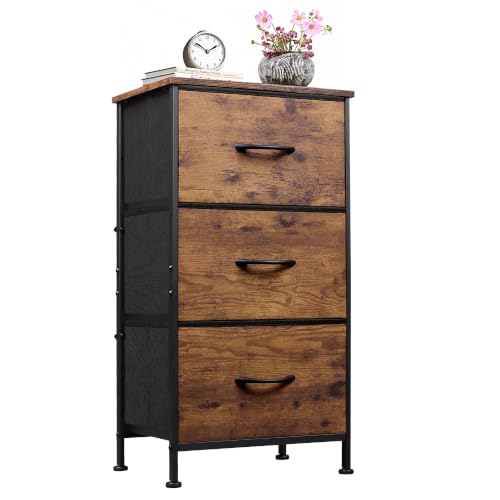
Small Chest of Drawers for Bedside: Complete Buying Guide
Everything you need to choose a compact bedside chest that fits your space, matches your style, and keeps your essentials organized. Discover size benchmarks, drawer configurations, material comparisons, and practical layout advice for a bedroom that works beautifully.
Explore Recommended OptionsWhy a small chest of drawers for bedside? A bedside chest offers more drawer capacity than a standard nightstand while occupying a similar compact footprint. It is ideal for bedrooms where you want extra storage for clothing, accessories, or reading materials without dedicating floor space to a full-size dresser. This guide walks you through every decision — from width and height to drawer glide quality — so you can choose confidently.
Why a Small Bedside Chest Makes Practical Sense
A small chest of drawers designed for bedside use combines the convenience of a nightstand with the storage depth of a compact dresser. Instead of a single drawer and a shelf, you get multiple drawers that keep items separated and dust-free. This is especially valuable in smaller bedrooms where every piece of furniture must earn its place. A thoughtfully sized bedside chest can hold pajamas, socks, reading glasses, chargers, and books — all within arm's reach — while keeping the sleeping area visually calm.
For those working with very tight floor plans, a shallow dresser for small spaces can be a great alternative when depth is the primary constraint. Meanwhile, if you want to keep clothing neatly separated from bedside essentials, a dedicated clothes drawer organizer inside the chest makes a meaningful difference in day-to-day usability.
Size and Dimension Guide for Bedside Chests
The most common mistake when buying a bedside chest is choosing a piece that overwhelms the sleeping area or blocks circulation. The ideal width for a bedside chest is typically between 18 and 30 inches — wide enough for two or three drawers, but narrow enough to leave walking space on both sides of the bed. Height should be roughly level with the mattress top so that a lamp, book, or glass of water is comfortably reachable while lying down.
Depth is equally important. A depth of 14 to 18 inches works for most bedrooms, but if your room has limited clearance, look for a slimmer profile. For exact width comparisons across categories, the thirty-inch wide chest of drawers and the 24-inch wide cabinet with drawers provide useful reference points for how two- and three-drawer configurations scale.
| Bedside Chest Category | Typical Width Range | Best For | Drawer Configuration |
|---|---|---|---|
| Compact starter tier | 18–22 inches | Tight spaces beside a twin or full bed | 2–3 shallow drawers |
| Balanced mid-tier | 22–26 inches | Queen or king beds with moderate clearance | 3 drawers with varied depths |
| Spacious top-tier | 26–30 inches | Primary bedrooms needing extra clothing storage | 3–4 drawers, some deep |
Measuring tip: Before ordering, mark the intended footprint on the floor with painter's tape. Confirm that drawer fronts can fully extend without hitting the bed frame or wall, and that the top surface aligns comfortably with your mattress height. If the room is especially narrow, a white narrow dresser or a twin narrow dresser set for small spaces can serve as a coordinated solution for both sides of the bed.
Drawer Configuration: How Many Drawers Do You Need?
A bedside chest typically offers two to four drawers. Two-drawer models are the most compact and suit minimalist setups where you only need space for a few essentials. Three-drawer models hit the sweet spot for most people — one shallow drawer for small items, one medium drawer for clothing, and one deeper drawer for bulkier pieces. Four-drawer models are essentially miniature dressers and work best when the chest is the primary clothing storage for one person.
Drawer depth matters more than raw count. Shallow top drawers are ideal for jewelry, chargers, and reading glasses, while deeper lower drawers accommodate folded clothing. If you prefer a chest with genuinely deep storage, explore the range of chests of drawers with deep drawers to see how depth changes the internal capacity without necessarily increasing the external footprint.
Two-Drawer Configuration
Best for guest rooms, minimalist bedrooms, or spaces where the chest sits beside a full-size bed with limited clearance. Ideal for bedside-only essentials.
Three-Drawer Configuration
The most versatile option. Combines shallow, medium, and deep drawers for mixed storage — clothing, accessories, and bedside items in one compact unit.
Four-Drawer Configuration
Acts as a mini dresser for one person. Suits primary bedrooms where the chest supplements a larger wardrobe or closet storage system.
Materials and Construction Quality
Bedside chests are available in solid wood, engineered wood, and metal. Solid wood — particularly oak, pine, and walnut — offers the most durable construction and develops character over time. Engineered wood with veneer provides a stable and consistent surface at a lower weight, while metal chests suit industrial and modern aesthetics. For a deeper comparison of construction standards, the solid wood dresser buying guide explains how joinery, drawer box construction, and finish quality differ across tiers.
If you prefer natural grain and long-term durability, consider a small chest dresser in solid oak or pine. These pieces are typically mid-range to premium in market positioning, with reinforced drawer boxes and smoother glides than entry-level options. For a cohesive bedroom look, matching your bedside chest with a wood dresser from the same material family creates visual harmony without requiring an exact set.
| Material | Durability | Aesthetic Match | Best For |
|---|---|---|---|
| Solid oak / pine | High — long-term investment | Traditional, farmhouse, rustic | Bedrooms with wood furniture already in place |
| Engineered wood + veneer | Moderate — stable and lightweight | Modern, contemporary, painted finishes | Renters and frequently rearranged rooms |
| Metal | High — heavy-duty | Industrial, minimalist, loft-style | Modern bedrooms and studio apartments |
Matching Your Bedside Chest to Bedroom Style
The bedside chest is one of the most visible pieces of furniture in a bedroom, so visual consistency matters. In a farmhouse or rustic setting, a rustic dresser and nightstand combination reinforces a cohesive look. For a more classic aesthetic, a white dresser with a wooden top blends warmth and brightness without dominating the room.
If you are building a coordinated bedroom set, a two nightstands and dresser set provides matching proportions and finish across the sleeping area. For smaller rooms where the bedside chest needs to double as a dresser, a small bedroom dresser delivers the right balance of storage and footprint.
Drawer Glides and Hardware: The Details That Matter
Drawer glide quality determines how the chest feels in daily use. Entry-level chests often use basic side-mounted rollers, while mid-range and premium models upgrade to ball-bearing slides or under-mount soft-close mechanisms. If smooth operation is a priority, look for models that specify rated slides — the same principles covered in the 20-inch heavy-duty drawer slides guide apply to bedside furniture as well.
Hardware is the finishing touch. Knobs are traditional and easy to grip; bar pulls feel more contemporary and are easier to operate with a full hand. If you are refurbishing an existing piece, replacing hardware is one of the most impactful upgrades — and a dresser with a painted finish pairs especially well with contrasting metal pulls.
Construction check: When evaluating a bedside chest, open and close every drawer. They should glide evenly without wobble, close flush with the front frame, and feel solid when fully extended. Dovetail or doweled drawer boxes signal higher-grade joinery compared with stapled or glued-only construction.
Placement and Layout Tips for Bedside Chests
Position your bedside chest so the top surface sits level with or slightly below the mattress. This makes it easy to reach a lamp, book, or phone without stretching. Leave at least two inches of clearance between the chest and the wall to allow drawers to open fully and to prevent scuffing. In rooms where floor space is tight, a vertical dresser style — tall and narrow — uses vertical capacity instead of horizontal footprint, which can be a smart trade-off beside a bed.
If the chest doubles as your primary clothing storage, organize drawers by frequency of use: the top drawer for daily essentials, middle drawers for folded clothing, and the bottom drawer for seasonal or bulkier items. For closet-adjacent bedrooms, a small chest of drawers for closet placement can extend your storage capacity without adding another large piece to the sleeping area.
Safety and Stability Considerations
- Anti-tip anchoring: Secure the chest to the wall using the provided anti-tip kit, especially in households with children or pets. An unanchored chest with open drawers can tip forward.
- Drawer stops: Confirm that drawers have stops to prevent them from pulling completely out and falling.
- Weight distribution: Place heavier items in lower drawers to keep the center of gravity low.
- Finish safety: Look for low-emission finishes and certified safe materials, particularly for nursery or children's rooms. For nursery-specific guidance, see the nursery dresser resource.
- Stable base: Ensure all four legs or glides sit flat on the floor. Add felt pads to protect flooring and improve stability.
Common Mistakes to Avoid When Buying a Bedside Chest
Choosing by look alone. A beautiful chest that is too tall or too deep will feel awkward every night. Measure first, then shop. Overlooking drawer depth. A chest with three shallow drawers may hold less than a two-drawer model with one deep drawer. Ignoring glide quality. Sticking drawers are a daily frustration that is difficult to fix after purchase. Skipping anchoring. Safety should never be optional. Buying without a style plan. A bedside chest that clashes with existing furniture can make the whole room feel disjointed — match wood tones or finishes deliberately.
Quick Buyer's Checklist
Measure the Space
Confirm width, height, and depth fit your bedside area with room for drawers to open and clearance for walking.
Choose Your Drawer Mix
Decide between two, three, or four drawers based on whether the chest is bedside-only or doubles as clothing storage.
Evaluate Construction
Check drawer glides, joinery, and finish quality. Solid wood and dovetail boxes signal long-term durability.
Plan the Style
Match wood tone, finish, and hardware to your existing bedroom furniture for a cohesive look.
Prioritize Safety
Confirm an anti-tip kit is included and that the chest is stable when drawers are fully extended.
Consider Longevity
Think of the chest as a long-term investment. A well-built piece can serve across multiple homes and room layouts.
Frequently Asked Questions
What is the ideal width for a small chest of drawers beside a bed?
For most bedrooms, a width between 18 and 26 inches works best. This range accommodates two or three drawers while leaving enough clearance for walking and for drawers to open fully. If your bed is a twin or full size, lean toward the narrower end; for queen and king beds, a 24–26 inch chest often looks proportionate. You can compare specific widths using references like the thirty-inch wide chest of drawers guide.
How tall should a bedside chest be?
The top surface should sit level with or just below your mattress top — typically 20 to 26 inches from the floor for most standard bed heights. This allows you to reach a lamp or book comfortably while lying down. If your bed is unusually tall or low, measure the mattress height first and choose a chest accordingly.
Is a small chest of drawers better than a nightstand?
It depends on your storage needs. A nightstand typically offers one drawer and a shelf, while a small bedside chest provides two to four drawers for clothing, accessories, and bedside essentials. If you need extra clothing storage and have limited floor space, a bedside chest is often the more practical choice. For compact rooms, a small chest dresser offers a good balance of capacity and footprint.
Can a bedside chest be used in a nursery?
Yes, provided it is properly anchored to the wall. Nursery chests should meet safety standards and use low-emission finishes. For detailed guidance on safe storage in nurseries, see the nursery dresser resource.
What should I look for in drawer glides?
Ball-bearing glides or under-mount soft-close slides offer smoother, quieter operation than basic side-mounted rollers. Test the drawers in person if possible — they should glide evenly, close flush, and feel stable when fully extended. The principles behind heavy-duty drawer slides apply to bedside furniture as well.
How do I match a bedside chest to my existing furniture?
Match the wood tone or finish first, then coordinate hardware. If your bedroom already has warm oak tones, a solid wood chest in a similar grain will blend naturally. If your furniture is painted white, a white dresser with wooden top provides contrast without clashing. When in doubt, repeat the dominant material rather than introducing a new one.