
Unfinished Wood Chest of Drawers: Your Complete Buying Guide
Raw wood furniture offers a blank canvas for customization, durability, and long-term value. Learn how to evaluate wood types, construction quality, and finishing options before you choose the right unfinished chest of drawers for your bedroom or home.
START THE GUIDEWhy consider an unfinished wood chest of drawers? An unfinished piece lets you control the final look — from a natural oiled finish that highlights the grain to a painted color that matches your interior. More importantly, you can inspect the raw wood, joinery, and drawer construction before any stain or veneer hides imperfections.
This guide walks you through the decisions that matter most: which wood species suits your climate and style, how construction quality differs across market tiers, and what to check before bringing a raw wood dresser home.
What Makes a Chest of Drawers "Unfinished"?
An unfinished chest of drawers is a piece of furniture that has been assembled and sanded but has not received a final stain, paint, or protective topcoat. The wood is left in its raw state — sometimes planed smooth, sometimes with visible milling marks — so the buyer can complete the surface treatment.
This category spans a wide range of products. At the entry-level, you will find assemble-it-yourself pieces made from pine or engineered panels. At the high-end tier, furniture makers offer solid hardwood chests with dovetail joinery and premium sanding, ready for a professional-grade finish. Understanding where a piece sits on that spectrum is the single most important step before buying.
If you are still deciding between raw wood and a factory-finished piece, it helps to compare a standard unfinished dresser with a fully finished model side by side. The difference in prep work and long-term maintenance is significant.
Wood Types Commonly Used in Unfinished Chests
The wood species determines how the chest will accept stain, how it will age, and how much it will move with seasonal humidity changes. Here is how the most common options compare.
| Wood Type | Best For | Finishing Behavior | Durability |
|---|---|---|---|
| Pine | Entry-level projects, painted finishes, cottage styles | Absorbs stain unevenly due to resin pockets; takes paint well | Soft; dents easily, best for low-traffic rooms |
| Oak | Mid-range and premium pieces, heavy daily use | Open grain needs grain filler; rewards with a strong, visible texture | Very hard and durable; resistant to wear |
| Maple | Mid-tier to high-end, clean modern looks | Dense, closed grain; accepts stain evenly but blotches without pre-conditioner | Hard and shock-resistant |
| Walnut | Premium and luxury tiers, natural oil finishes | Rich color darkens with oil; beautiful with clear topcoat only | Hard, stable, and dimensionally reliable |
| Birch / Plywood | Starter tier, painted or veneered projects | Needs sealing before stain; edges require banding or paint | Moderate; depends on core construction |
If your priority is a natural, light-toned look, a pine unfinished dresser is a common starting point. For a harder surface that will hold up to daily use, a solid wood unfinished chest of drawers in oak or maple is the more durable choice.
Construction Quality: What Separates the Tiers
Because the wood is exposed, an unfinished chest is one of the easiest furniture categories to evaluate honestly. You can see the joinery, the drawer bottoms, and the sanding quality without stripping a finish. Use these tiers as a general framework.
Starter Construction
Typically pine or engineered panels with stapled or screwed joints. Drawer boxes may use butt joints or simple rabbets.
Drawers often run on wood-on-wood guides without metal slides. Sanding is functional but not refined — expect to do additional prep work before finishing.
Best for low-traffic rooms, painted finishes that hide grain variation, and craft or upcycling projects.
Mid-Range Construction
Solid wood fronts and frames with plywood drawer boxes. Joints are glued and reinforced; drawer bottoms are set in grooves rather than stapled.
Side-mounted ball-bearing slides are common. Sanding is smoother, and the piece is usually ready for stain with minimal extra prep.
A solid choice for primary bedrooms and daily use where finish quality matters.
High-End Construction
Solid hardwood throughout, including drawer sides and bottoms. Dovetail or mortise-and-tenon joinery, hand-fitted and glued.
Full-extension, soft-close undermount slides. Dust panels between drawers. Sanded to a finish-ready level, often with eased edges.
A long-term investment piece intended to be finished carefully and kept for decades.
When comparing options, ask about drawer slide type, drawer box material, and whether the back panel is solid wood or a thin hardboard. These details separate a piece that will last from one that will loosen within a few years.
Key Buying Factors Before You Commit
Pre-Purchase Checklist
- Inspect the sanding: Run your hand across drawer fronts, edges, and the interior of the case. Rough spots mean extra prep before you can finish the piece.
- Check drawer alignment: Open and close every drawer. They should glide without binding, and the gaps around the fronts should be even.
- Confirm the drawer box material: Solid wood or plywood boxes hold up far better than stapled hardboard.
- Look for dust panels and corner blocks: These structural details keep the case square and protect clothing from dust.
- Measure your space: Unfinished chests often come in standard depths and heights, but confirm dimensions against your room layout and doorway clearance.
- Ask about moisture content: Wood that has not been properly dried will warp or crack after finishing. Reputable makers can confirm kiln-drying.
- Plan your finish before purchase: Some woods, like pine and maple, require a pre-conditioner for even stain. Others, like walnut, look best with a simple oil finish.
If you want a broader comparison of raw wood furniture categories, the unfinished wood dresser guide covers the differences between chests, dressers, and combination units. For storage-focused buyers, a unfinished wood chest of drawers remains the most direct path to a custom-finished bedroom storage piece.
Finishing Options: From Natural Oil to Paint
The finish you choose determines both the look and the protection level of your chest. Here are the most practical options, along with their trade-offs.
- Clear oil or hardwax oil: Highlights the natural grain and is easy to spot-repair. Best for walnut, oak, and other hardwoods with attractive figure. Requires periodic reapplication.
- Water-based polyurethane: A durable, low-odor topcoat that dries clear. Good for maple and birch where you want to preserve a light tone.
- Oil-based polyurethane: Adds a warm amber tone and offers strong protection. Ideal for oak and pine, but requires longer drying time and ventilation.
- Paint: The most forgiving option for entry-level pieces and uneven grain. A primer-sealer followed by two coats of furniture paint gives a smooth, opaque finish.
- Stain plus topcoat: The classic approach for oak and maple. Pre-conditioner is essential on blotch-prone species to avoid uneven color.
If you plan to paint, the chalk paint on furniture guide explains surface prep and sealing steps that extend the life of a painted finish. For a natural wood look, a clear oil or hardwax product is usually the better match.
Where an Unfinished Chest Works Best
Unfinished furniture is not limited to bedrooms. Its flexibility makes it a good fit for several spaces:
- Primary bedrooms: A solid wood chest with dovetail drawers, finished to match your room, becomes a long-term anchor piece.
- Guest rooms and kids' rooms: An entry-level pine chest painted in a durable topcoat is a practical option for rooms that see changing styles.
- DIY and upcycling projects: Raw wood accepts paint, stencils, and hardware changes easily. If you enjoy customizing furniture, an unfinished chest is the ideal starting point.
- Closets and dressing areas: A slim or tall unfinished chest can be finished to blend into a walk-in closet system.
For a broader look at how raw wood pieces fit into different rooms, explore the related guides on unfinished dressers and unfinished wood dressers.
Frequently Asked Questions
Is an unfinished wood chest of drawers cheaper than a finished one?
Do I need to sand an unfinished chest before finishing it?
Which wood is best for an unfinished chest of drawers?
Can I paint an unfinished wood chest without priming?
How do I check the quality of an unfinished chest before buying?
Will an unfinished chest warp after I finish it?
Recommended Unfinished Wood Chests of Drawers
⚠️ AFFILIATE DISCLOSURE: This website contains affiliate links. As an Amazon Associate, we earn from qualifying purchases. If you make a purchase through these links, we may receive a small commission at no additional cost to you. Read our full affiliate policy.

VINGLI Unfinished 6 Drawer Dresser, Natural Solid Wood Dresser Color DIY, Upgraged Rustic Farmhouse Tall Dresser with Spacious Storage Chests of Drawers with Full Extension Drawer Slides
Check price on Amazon
VINGLI Unfinished Solid Wood Dresser Color DIY, 3 Drawer Dresser, Natural Rubber Wood Chest of Drawers, 17.7" D x 31.5" W x 29.9" H
Check price on Amazon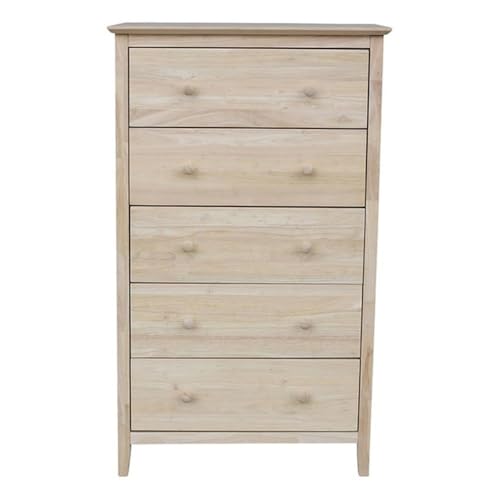
IC INTERNATIONAL CONCEPTS Dresser with 5 Drawers, Unfinished
Check price on Amazon
VINGLI 6 Drawer Dresser with Unfinished Solid Wood for Color DIY, Natural Rubberwood Chest for Bedroom, 47.16" W*17.72" D*33" H
Check price on Amazon
International Concepts Dresser with 3 Drawers, Unfinished | Solid parawood, 3 drawers on euro glides, 23.3" x 13.4" x 5.7" inside each drawer, 29.5"W x 19"D x 32.7"H
Check price on Amazon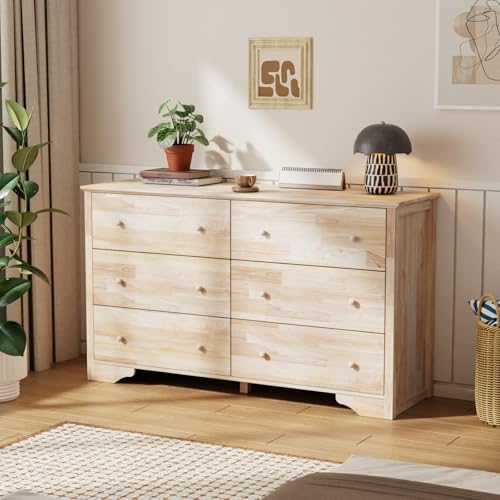
VINGLI 57" Unfinished Solid Wood Dresser for Color DIY, 6 Drawer Long Chest with Drawers, Natural Rubberwood, 57" W*17.7" D*33" H
Check price on Amazon
44” Tall Dresser for Bedroom with 6 Drawers, Nightstand (Natural) | CHYMSUN, Modern, Farmhouse, Metal Handle, Natural, Wood-grain Finish, Organizer, Bedroom, Hallway, Dorm
Check price on Amazon