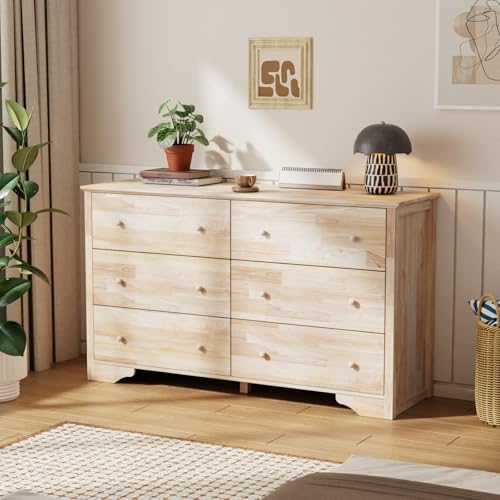
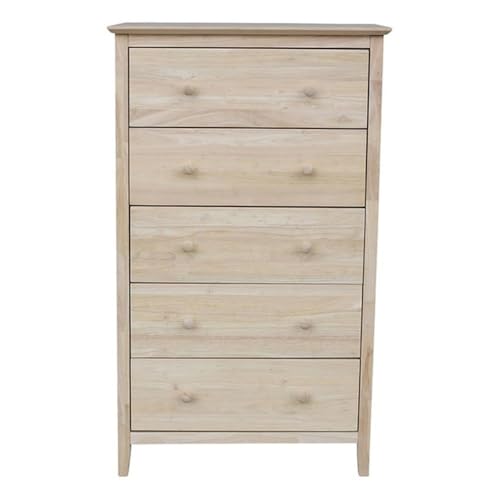
Unfinished Wood Dresser: The Complete Guide
Everything you need to know about raw wood dressers — styles, wood types, finishing options, and how to choose the right one for your bedroom.
START EXPLORINGWhat Is an Unfinished Wood Dresser?
An unfinished wood dresser is a storage piece made from raw, untreated wood that has not been stained, painted, or sealed at the factory. It arrives as a blank canvas — smooth enough to inspect the grain, but entirely free of finish. For buyers who want full creative control over the final look of their bedroom furniture, an unfinished wood dresser represents one of the most flexible options available.
These dressers appeal to a wide range of shoppers: DIY enthusiasts who enjoy transforming furniture, homeowners who want a specific stain or paint color to match an existing room palette, and design-conscious buyers who prefer natural wood grain over factory finishes. Many people also choose an unfinished dresser simply because it allows them to verify the quality of the wood before committing to a finish.
DresserAdvisor Insight: An unfinished wood dresser is not a compromise — it is a deliberate choice. You get to decide the exact tone, sheen, and protective coating, which means the final piece fits your room rather than the other way around.
Why Choose an Unfinished Wood Dresser?
Buying raw wood furniture comes with distinct advantages that finished pieces cannot match. Understanding these benefits helps you decide whether this route suits your project.
Advantages
- Complete customization: Choose any stain, paint, wax, or oil finish to match your decor.
- Direct wood inspection: See the grain, knots, and joinery before any coating hides them.
- Better value for the tier: Unfinished pieces typically sit at a lower position in the market than comparable pre-finished furniture, since you supply the labor.
- DIY satisfaction: Personalizing a piece creates a one-of-a-kind result you will not find in a showroom.
- Easier repairs: If the surface is damaged later, matching a custom finish you applied is simpler than replicating a factory coating.
Considerations
- Finishing labor: Sanding, conditioning, staining, and sealing take time and patience.
- Skill requirement: Poor technique can cause blotching, uneven tone, or raised grain.
- Not immediately usable: The piece must be finished and cured before everyday use.
- Wood movement: Raw wood can shift slightly with humidity until sealed, so acclimation matters.
Wood Types Used in Unfinished Dressers
The wood species determines how the dresser accepts finish, how durable it is, and how it fits into your overall design. Below is a practical breakdown of the most common options, organized by market tier.
| Wood Type | Market Tier | Best For | Finish Behavior |
|---|---|---|---|
| Pine | Entry-level | Casual, farmhouse, and cottage-style bedrooms | Absorbs stain unevenly; benefits from a wood conditioner |
| Oak | Mid-range | Durable everyday use and traditional interiors | Open grain takes stain well; prominent texture |
| Maple | Premium | Clean, modern looks and painted finishes | Fine, closed grain; excellent for paint |
| Walnut | Luxury | Statement pieces with rich, dark tones | Accepts oil beautifully; often left with a clear coat |
If you prefer a classic natural look, an unfinished pine dresser is a popular starting point because it is widely available and easy to work with. For a sturdier build, an unfinished solid wood chest of drawers offers heavier construction and better long-term durability. Shoppers comparing drawer configurations often look at an unfinished wood chest of drawers, which typically provides deeper storage than a wide dresser.
Popular Unfinished Dresser Styles
Raw wood dressers come in nearly every silhouette found in finished furniture. Choosing the right style depends on your room dimensions, storage needs, and the aesthetic you want to achieve after finishing.
- Traditional wide dresser: Six to nine drawers spread across a low, horizontal footprint — ideal beneath a window or as a bedroom focal point.
- Tall chest / tallboy: A vertical stack of four to six drawers that saves floor space, well suited to compact bedrooms and closets.
- Bachelor chest: A compact three-drawer design often used beside a bed or in guest rooms.
- Double dresser: Two columns of drawers with a broad top surface that can hold a mirror or decor.
For rooms where floor area is limited, a tall vertical design is usually the smarter fit. A vertical dresser concentrates storage upward while leaving walking space clear. Those who want a more architectural look can explore a waterfall dresser, which features a continuous curved front that stands out even before finishing.
How to Finish an Unfinished Wood Dresser
Finishing is the most important phase of owning an unfinished piece. A careful process produces a surface that looks professional and holds up to daily use. Follow these steps in order.
- Sand progressively: Work from medium to fine grit (typically 120, then 180, then 220) to remove mill marks and smooth the surface. Always sand with the grain.
- Clean thoroughly: Remove all dust with a tack cloth or a lightly dampened lint-free cloth. Dust left behind causes uneven finish.
- Apply wood conditioner: This step is essential on porous species like pine; it prevents blotchy stain absorption and promotes an even tone.
- Stain or paint: Apply stain in thin, even coats, wiping back excess quickly. For paint, use a quality brush and thin coats to avoid drips.
- Seal the surface: Choose polyurethane for maximum durability, or wax/oil for a natural matte look. Two to three thin coats are typical.
- Allow full cure: Wait the manufacturer's recommended cure time before loading drawers or placing items on top.
If you plan to paint rather than stain, reviewing techniques for using chalk paint on furniture can help you achieve a matte, vintage-inspired result. For a deeper dive into the overall purchasing process, see our unfinished wood dresser resource.
What to Check Before You Buy
Because you can see the wood directly, buying an unfinished dresser rewards careful inspection. Use this checklist during your research and, if possible, in person.
- Joinery quality: Look for dovetail or mortise-and-tenon joints rather than staples or visible screws at stress points.
- Drawer glides: Metal slides with smooth extension are preferable to wood-on-wood runners for daily use.
- Wood consistency: Check that drawer fronts and side panels come from similar boards with matched grain direction.
- Moisture content: Properly kiln-dried wood resists warping; ask the seller about drying if the information is available.
- Dimensions: Measure your room and doorway before ordering. A wide dresser that cannot pass through the door is a costly mistake.
- Hardware readiness: Confirm whether knobs and pulls are included or must be sourced separately.
If your project involves a matching storage set, an unfinished cabinet doors and drawer fronts selection can help you coordinate drawer faces with the dresser body. For kitchen or multi-room projects, unfinished kitchen cabinets with drawers and unfinished base cabinets with drawers follow the same finishing logic.
Where an Unfinished Dresser Works Best
Raw wood dressers fit naturally into rooms where a custom finish will add the most impact. Common placements include:
- Primary bedroom: A wide double dresser finished in a warm stain anchors the room and provides generous clothing storage.
- Guest room: A compact bachelor chest or three-drawer unit covers essentials without dominating a small space.
- Nursery: A solid unfinished dresser can be painted in a soft tone and later refinished as the child grows, extending its useful life.
- Walk-in closet: A tall or vertical dresser integrates into closet systems for folded clothing and accessories.
For buyers who want a storage piece that matches an existing bedroom set, pairing an unfinished unit with a finished counterpart is easier than it sounds — matching the stain is the main task. If your design leans toward upholstered or soft-textured furniture, the contrast of a raw wood dresser can also add visual interest alongside upholstered dressers in a shared room.
Frequently Asked Questions
Is an unfinished wood dresser cheaper than a finished one?
In most cases, an unfinished piece sits at a lower position in the market than a comparable finished dresser, because the buyer supplies the finishing labor. The difference varies by wood species and brand, but the savings often offset the finishing supplies you will need.
Can I use an unfinished dresser without finishing it?
You can, but it is not recommended for long-term use. Raw wood absorbs moisture, stains easily, and can develop raised grain. At minimum, apply a protective sealer or wax to preserve the surface.
What is the easiest finish for a beginner?
A wipe-on oil or a simple clear polyurethane over sanded raw wood is the most forgiving approach. Avoid dark stains on porous woods like pine unless you first apply a wood conditioner.
How long does finishing take?
Active work usually takes a weekend, but drying and curing time between coats extends the total to several days. Plan for at least one week before the dresser is fully ready for daily use.
Does unfinished wood need to acclimate before finishing?
Yes. Let the dresser sit in the room where it will be used for a few days so the wood adjusts to local humidity. This reduces the chance of warping or gaps appearing after finishing.
Ready to choose? Browse our recommended unfinished wood dressers below to compare wood types, drawer configurations, and construction quality — then pick the piece that fits your project.