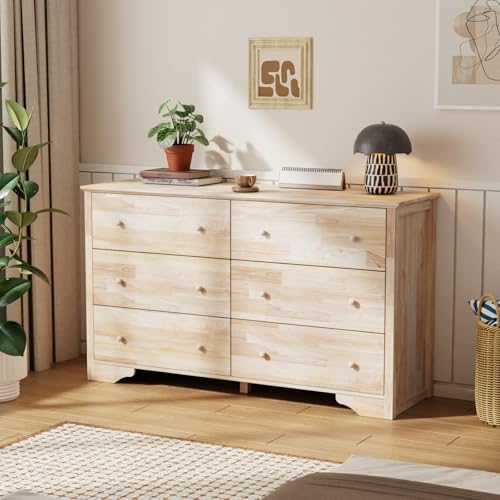
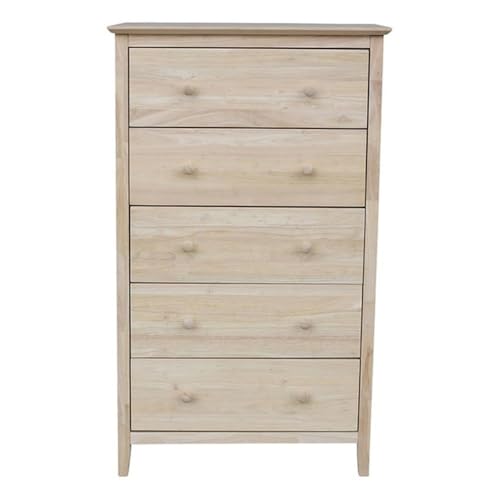
Unfinished Pine Dresser: The Complete Guide
Everything you need to know about choosing, finishing, and living with an unfinished pine dresser — from wood grade to the right topcoat for your home.
Why unfinished pine? An unfinished pine dresser is a blank canvas. You control the color, sheen, and protection level, which means the final piece matches your room exactly — and you understand every layer of material that went into it. This guide walks you through the research that matters before you commit.
What Is an Unfinished Pine Dresser?
An unfinished pine dresser is a chest of drawers built from solid pine boards and sold without paint, stain, or a protective topcoat. The wood arrives sanded to a workable grit, and the drawer boxes, runners, and hardware are assembled so the piece is structurally complete. What remains is the finish — the step that determines how the dresser looks and how well it survives daily use in a bedroom.
Pine is one of the most common woods for unfinished furniture because it is a softwood with an open, straight grain that accepts stain and paint evenly. It is also lighter than hardwoods such as oak or walnut, which makes a full-size pine dresser easier to move and reposition. If you are comparing wood options more broadly, our complete dresser buying guide explains how softwoods and hardwoods differ in durability and maintenance.
Why Choose an Unfinished Pine Dresser?
Buying unfinished is a deliberate choice rather than a compromise. The main advantages fall into four categories:
- Full control over the finish. You decide whether the dresser reads as light Scandinavian pine, a deep walnut-tone stain, or a painted accent piece. No factory finish limits your palette.
- Transparency about materials. You can inspect the wood grain, knots, and joinery directly. There is no veneer or engineered panel hiding the construction.
- Easier repair and refinishing later. Because you applied the finish, you know exactly how to touch it up or strip it back if your style changes.
- Good value within its tier. Unfinished furniture typically sits at the entry-level or mid-tier of the solid wood category because you are supplying the labor for finishing. The trade-off is time and a small amount of supplies.
Understanding Pine Grades and Knots
Not all pine is equal. The grade affects how many knots you see, how uniform the color is, and how the dresser will accept a clear finish. Most unfinished furniture uses one of three common pine grades:
- Clear pine: Few or no knots, uniform grain, and the most predictable surface for staining. It sits at the premium end of the pine category.
- Knotty pine: Visible knots and more color variation. This is the classic rustic look and is common in mid-range unfinished dressers. Knots need a sealer to prevent resin bleed.
- Reclaimed or rough-sawn pine: Distinct texture and character, often used in rustic and farmhouse designs. It requires more sanding preparation.
If you plan to paint, the grade matters less because primer and paint cover color variation. If you plan a clear or light stain, clear pine gives the most consistent result.
Finishing Your Unfinished Pine Dresser
The finish is where an unfinished pine dresser becomes a finished piece of furniture. There are three broad routes, and each suits a different aesthetic and level of maintenance.
1. Clear Protective Finish
A clear topcoat keeps the natural pine color while protecting against moisture and scuffs. Water-based polyurethane is a strong starter choice: it dries clear, resists yellowing, and cleans up with water. Oil-based polyurethane adds a warmer amber tone and is more durable in high-traffic areas, but it needs ventilation and longer drying time. Hard wax oil is a premium option that leaves a natural, matte-to-satin feel and is easy to spot-repair.
2. Stain Plus Topcoat
Pine takes stain unevenly because its grain density varies. A pre-stain wood conditioner is essential here — it evens out absorption and prevents blotching. After staining, apply the same protective topcoat you would use on a clear finish. Our guide to refinishing wood furniture covers the sanding and prep steps that apply equally to a new unfinished piece.
3. Painted Finish
Pine is an excellent paint surface. The critical step is a stain-blocking primer over the knots, because pine resin can bleed through paint over time. After priming, two coats of a quality furniture paint give a durable, opaque result. Painted pine suits farmhouse, coastal, and modern bedroom styles, and it hides knots completely.
Finishing checklist
Sand progressively (120, 180, then 220 grit) → remove all dust → seal knots → apply pre-stain conditioner if staining → stain or prime → apply 2–3 thin topcoats → light sand between coats → cure fully before loading drawers.
Comparing Pine Dresser Tiers
Unfinished pine dressers range from simple starter pieces to furniture-grade constructions. The table below describes the relative position of each tier without reference to any specific figure.
| Tier | Typical Construction | Best For |
|---|---|---|
| Entry-level | Thinner pine boards, stapled or simple butt joints, basic drawer runners | Guest rooms, first apartments, short-term setups |
| Mid-range | Solid pine panels, dovetail or reinforced joints, metal drawer slides | Primary bedrooms, family use, long-term daily wear |
| Premium | Thick clear-grade pine, dovetail drawer boxes, soft-close slides, hand-sanded surfaces | Heirloom-style pieces and rooms where the dresser is a focal point |
Within the pine category, a mid-range dresser usually offers smoother drawer operation and more stable joinery than an entry-level model. If you want to compare against other woods, our dresser reviews section covers construction details across categories.
Size and Placement Considerations
Pine dressers come in a range of footprints. A narrow dresser works well in small bedrooms or beside a closet, while a wide chest of drawers anchors a larger room. Before buying, measure the wall space, the clearance for drawer extension, and the path through doorways. For rooms with limited floor area, our guide to under bed storage shows how to combine a compact dresser with hidden storage.
If your room is tight, look at tall skinny dressers for bedroom layouts, which trade width for vertical storage. In larger primary bedrooms, a wide chest of drawers gives generous drawer capacity without needing a second piece of furniture.
Drawer Hardware and Function
Unfinished dressers often ship with basic hardware or none at all, which is another customization opportunity. Knob and pull choice affects both the look and the ergonomics. Heavier drawers benefit from solid metal pulls with a comfortable grip, while lightweight drawers can use simple knobs. If you plan to upgrade drawer operation over time, our notes on heavy-duty locking drawer slides explain what to look for in a replacement runner.
Also check the drawer bottoms. Thin plywood bottoms are common in entry-level pieces; a reinforced bottom handles heavier clothing loads with less sag over time.
Caring for a Finished Pine Dresser
- Dust with a dry or slightly damp cloth; avoid soaking the wood.
- Wipe spills promptly — pine is porous until fully sealed.
- Keep the dresser out of direct sunlight to limit color shift.
- Use coasters or felt pads under heavy decorative objects.
- Reapply a thin topcoat every few years in high-use rooms.
Frequently Asked Questions
Is unfinished pine furniture durable?
Pine is softer than oak or maple, so it dents more easily. However, a properly sealed pine dresser can last for decades. The topcoat you apply is the main factor in protecting it from moisture and daily wear.
Do I need to sand an unfinished pine dresser before finishing?
Yes, always. Factory sanding is usually coarse. Sand progressively to 220 grit, then remove all dust before applying any finish. This step determines how smooth the final surface feels.
How do I stop knots from bleeding through paint?
Apply a shellac-based or stain-blocking primer over every knot before painting. This seals the resin and prevents the brown stain that otherwise appears through the topcoat over time.
Can I use an unfinished pine dresser in a bathroom?
It is possible only with a fully sealed, moisture-resistant finish on all surfaces, including the inside of drawers and the back panel. For high-humidity rooms, a painted or heavily sealed piece is safer than a clear finish alone.