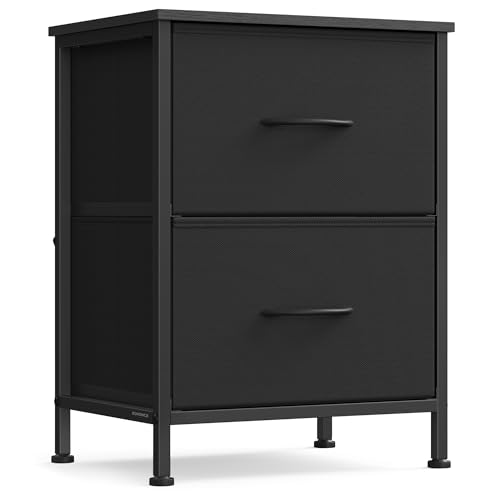
Two Drawer Dresser: The Complete Buyer's Guide
Everything you need to know about two drawer dressers — sizes, styles, materials, safety, and how to choose the right compact storage piece for your bedroom, nursery, or small space.
EXPLORE TOP PICKSWhy a Two Drawer Dresser? A two drawer dresser is one of the most versatile compact storage pieces you can own. It fits into tight corners, works as a nightstand substitute, serves as a nursery changing station, and provides essential organization without overwhelming a small room. If you are researching this category, you likely want a piece that balances capacity, footprint, and build quality — this guide covers all of it.
What Is a Two Drawer Dresser and Who Is It For?
A two drawer dresser is a compact storage unit featuring two horizontally stacked drawers, typically ranging from 24 to 40 inches wide. Unlike a full-size tall dresser or a wide six-drawer chest, this format is designed for spaces where floor area is limited but organized storage is still a priority.
This type of dresser is particularly well-suited for:
- Small bedrooms where a standard dresser would block walkways or closet doors
- Nurseries where a compact changing surface and clothing storage are needed together
- Guest rooms that require modest storage without committing to bulky furniture
- Entryways and hallways where a slim dresser can double as a console
- Closets where a closet dresser configuration maximizes vertical organization
- Apartments and dorms where every square foot counts
If you are comparing formats, it helps to understand how a two drawer dresser differs from a three drawer dresser or a storage dresser with mixed drawers and shelves. The two-drawer format prioritizes a smaller footprint and a lower profile, which makes it easier to place under windows, beside beds, or against short walls.
Standard Two Drawer Dresser Dimensions
Understanding dimensions before you shop is critical, especially if you are working with a tight floor plan. While exact measurements vary by manufacturer, here are the typical ranges you can expect:
| Dimension | Typical Range | What It Means for You |
|---|---|---|
| Width | 24" – 40" | Narrow models fit closets and hallways; wider models offer more drawer face area. |
| Depth | 15" – 20" | Deeper drawers hold bulkier items like sweaters and linens. |
| Height | 24" – 36" | Lower heights work as nightstands; taller models suit nursery changing use. |
| Drawer Interior Height | 5" – 10" | Deeper drawers accommodate folded clothing; shallower drawers suit accessories. |
If space is exceptionally tight, a skinny dresser or a thin dresser for small spaces may be a better fit than a standard two drawer model. Conversely, if you need more surface area on top, consider a double dresser format that provides a wider top while maintaining a compact drawer count.
Materials and Build Quality
The construction of a two drawer dresser directly affects its durability, safety, and longevity. Here is how the main material categories compare:
- Solid wood (entry-level to mid-range): Pine, rubberwood, and oak are common. Solid wood offers repairability and a natural look, but entry-level solid wood may use thinner panels and simpler joinery. Mid-range solid wood models typically feature dovetail joints and more substantial drawer bottoms.
- Engineered wood (MDF and particleboard): Common in starter-tier and essential-tier models. These are stable and uniform but generally less repairable. Look for models with reinforced corners and quality laminate or veneer finishes.
- Metal: Less common for bedroom dressers but available for industrial-style or utility pieces. Metal frames are durable and easy to clean, though they may lack the warmth of wood in a bedroom setting.
- Premium materials: Walnut, mahogany, and teak appear in high-end tier and luxury models. These offer superior grain, density, and long-term durability.
For a deeper look at how materials affect performance, our guide to sturdy dresser construction explains which joinery methods and panel thicknesses matter most. If you are considering drawer hardware, heavy-duty drawer slides can significantly improve the smoothness and load capacity of a compact unit.
Drawer Slides and Hardware
A two drawer dresser has only two moving drawer mechanisms, so the quality of those slides matters proportionally more than in a larger chest. The three main slide types are:
- Wood-on-wood runners: Found in entry-level and some traditional models. These require occasional waxing and offer basic performance.
- Euro-style roller slides: Common in mid-range models. They provide smooth operation and partial extension.
- Ball-bearing full-extension slides: Typically found in premium and top-tier models. They allow the drawer to pull out completely, making it easier to access items at the back.
Hardware finish also matters for style. A white dresser with gold hardware creates a distinct aesthetic, while matte black pulls suit industrial and modern interiors. If you are planning a nursery, prioritize slides with a soft-close feature to reduce pinch risk.
Styling and Placement Ideas
A two drawer dresser is flexible enough to serve in several roles beyond the bedroom. Here are practical placement scenarios:
As a Nightstand Alternative
Place a two drawer dresser beside the bed in place of a traditional nightstand. It provides a larger top surface for a lamp, books, and a glass of water while adding two full drawers of storage. If you want a coordinated look, consider pairing it with a two nightstands and dresser set or a complete twin bedroom set with dresser.
As a Nursery Changing Station
A two drawer dresser with a depth of at least 17 inches can accommodate a changing pad on top. Look for models with a raised edge or add a contoured changing pad with security straps. For a dedicated solution, a changing table with drawers may offer better ergonomics, but a two drawer dresser is a practical multi-purpose alternative.
As a TV Stand
A sturdy two drawer dresser can support a television in a bedroom or small living area. Ensure the top surface is wide enough for the TV base and that the dresser is anchored to the wall. A swivel stand for a TV on a dresser can improve viewing angles without wall mounting.
In a Closet
A narrow two drawer dresser can slide into a walk-in closet to create a dedicated folding and accessory station. If you need more vertical storage in the same footprint, a skinny dresser for closet use is worth considering.
Pros and Cons of Two Drawer Dressers
✓ Advantages
- Compact footprint fits small rooms, closets, and apartments
- Lower height makes the top surface easy to use as a nightstand or changing station
- Usually lighter and easier to move than full-size dressers
- Good entry point for starter-tier and essential-tier furniture
- Versatile placement beyond the bedroom
✗ Limitations
- Limited total storage capacity compared to larger chests
- Not ideal for households with extensive clothing collections
- Smaller models may have shallower drawers that limit bulky items
- Some entry-level models use basic slide hardware
- Tipping risk if not anchored — especially in nurseries
Safety Considerations
Dresser tip-over is a serious concern, particularly for households with young children. The following safety practices apply to all dressers, but they are especially important for compact units that may be used in nurseries:
- Always use the anti-tip kit provided with the dresser. If one is not included, purchase a wall-anchoring strap rated for the dresser's weight.
- Check for interlocking drawers — a feature that prevents more than one drawer from opening at a time, reducing forward tipping risk.
- Avoid overloading the top drawers. Heavy items should go in the bottom drawer to lower the center of gravity.
- Look for safety certifications such as ASTM F2057 compliance, which sets stability requirements for clothing storage units.
- Place the dresser on a level floor and avoid placing it on thick carpet without adjusting the leveling glides.
How to Choose the Right Two Drawer Dresser
Use this checklist to narrow your options before you start comparing specific models:
- Measure your space: Confirm the width, depth, and height available, including clearance for doors and walkways.
- Define your storage needs: Are you storing folded clothing, linens, accessories, or a mix? Drawer interior dimensions matter more than exterior dimensions.
- Decide on material: Solid wood for repairability, engineered wood for uniformity, or metal for a specific aesthetic.
- Check the slides: Full-extension ball-bearing slides are the most convenient for accessing items at the back of the drawer.
- Consider the finish: A two-tone white and wood dresser or a grey dresser may suit your interior better than a standard wood tone.
- Plan for safety: Confirm the anti-tip kit is included and that the dresser meets current stability standards.
For a broader framework that applies across all dresser sizes, see our complete dresser buying guide. If you are specifically organizing a compact room, our small bedroom storage ideas collection covers complementary pieces like under bed storage solutions.
Ready to Compare Two Drawer Dresser Options?
Browse our curated selection of compact dressers below, filtered for the two-drawer format. Each listing includes the tier classification so you can compare build quality at a glance.
View Recommended ModelsFrequently Asked Questions
What is a two drawer dresser best used for?
A two drawer dresser is ideal for small bedrooms, nurseries, entryways, or as a bedside storage piece. It works well for storing folded clothing, accessories, or linens in compact spaces where a larger dresser would not fit.
How much weight can a two drawer dresser hold?
Weight capacity varies by construction. Entry-level models typically hold moderate loads per drawer, while mid-range and premium solid wood models with reinforced joints and heavy-duty slides can support significantly more. Always check the manufacturer's weight rating.
Is a two drawer dresser safe for a nursery?
Yes, when properly secured. Any dresser used in a nursery should be anchored to the wall with an anti-tip kit. Look for models with interlocking drawers, rounded edges, and safety certifications such as ASTM or CPSC compliance.
What size is a typical two drawer dresser?
Most two drawer dressers range from about 24 to 40 inches wide, 15 to 20 inches deep, and 24 to 36 inches tall. Narrow and skinny models can be as slim as 18 inches wide, making them suitable for closets and tight corners.
Can a two drawer dresser be used as a TV stand?
Yes, many two drawer dressers can support a television, provided the top surface is wide enough and the dresser is sturdy. Check the weight capacity and consider using a swivel stand for better viewing angles.
Final Thoughts
A two drawer dresser is a practical, space-conscious choice that does not sacrifice function for footprint. Whether you are furnishing a nursery, outfitting a guest room, or simply looking to add organized storage to a compact bedroom, the right two drawer dresser can anchor the room without dominating it.
Focus on three priorities: accurate measurements for your space, drawer slide quality for daily usability, and safety anchoring for peace of mind. If you need more capacity in the same footprint, explore our guides to tall narrow dressers with drawers and tall dressers with lots of drawers. And if you are still deciding between formats, our dresser vs chest comparison clarifies the distinctions.