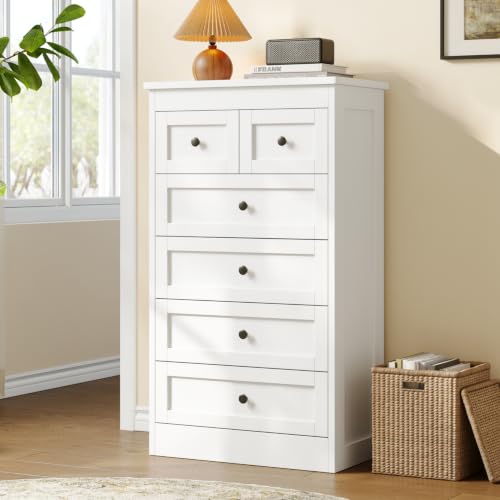
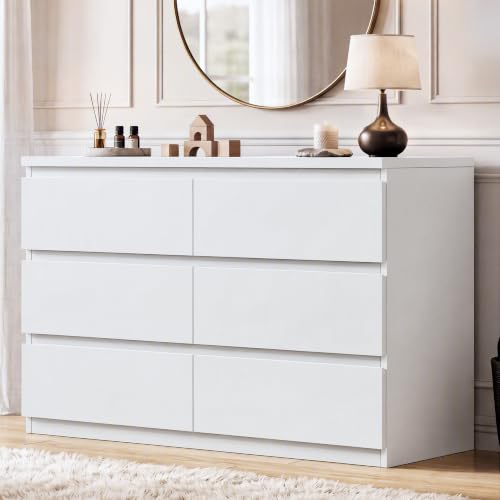
Two Tone Dresser White and Wood: Complete Buying Guide
Discover how a white and wood two tone dresser adds warmth, contrast, and practical storage to your bedroom. Learn about styles, materials, sizes, and maintenance before you choose the right piece.
START THE BUYING GUIDEWhy two tone works: A white and wood two tone dresser brings together the brightness of white and the natural character of wood grain. This balance makes it one of the most versatile furniture finishes — equally at home in a farmhouse bedroom, a coastal guest room, a modern apartment, or a nursery. Below, we break down everything you need to know before adding one to your space.
What Is a Two Tone Dresser White and Wood?
A two tone dresser in white and wood combines two distinct finishes on a single furniture piece. The frame, drawer fronts, top, or legs may carry a crisp white paint or stain, while the remaining surfaces reveal natural wood grain — or the reverse arrangement. The result is a dresser that feels brighter than an all-wood piece but warmer and more grounded than an all-white unit.
The combination is more than a cosmetic detail. Because white reflects light and wood absorbs it, a two tone dresser can make a compact bedroom feel more open while still anchoring the room with texture. In a nursery, the white portions keep the space soft and airy, while wood adds a sense of durability and calm. In a primary bedroom, the pairing works as a quiet focal point that complements both neutral and colored wall palettes.
Most two tone dressers use painted or lacquered hardwood, engineered wood, or MDF for the white sections, with solid wood, wood veneer, or engineered wood for the natural sections. Build quality varies widely across the entry-level, mid-range, and premium tiers, which is why understanding construction matters before you commit.
Popular Two Tone Styles in White and Wood
The finish pairing adapts to several interior design directions. The style you choose should match the room's overall architecture, lighting, and existing furniture. Here are the most common interpretations:
Farmhouse & Rustic
White painted frames with natural wood drawer fronts or tops. Often features distressed details, beadboard accents, and cup pulls. Works well in country-style and casual bedrooms.
Modern & Scandinavian
Clean white bodies paired with light oak or ash fronts. Minimal hardware, tapered legs, and soft-close drawers define this look. Ideal for compact and bright spaces.
Coastal & Cottage
White frames with weathered wood tops or drawer faces. Light wood tones, airy silhouettes, and subtle hardware give a relaxed, breezy feel for guest rooms and vacation homes.
Transitional & Contemporary
Matte white structures with walnut or acacia accents. A balanced blend of traditional and modern lines, often with slim metal pulls and recessed drawer profiles.
Materials and Construction to Look For
The finish is only as good as the structure beneath it. When comparing two tone dressers, examine the drawer boxes, slides, and frame joinery — these are the parts that determine how the dresser performs in daily use.
Frame and Carcass
Solid wood and high-grade engineered wood are the strongest options for the frame. Entry-level pieces often use thinner engineered panels, while mid-range and premium tiers favor thicker construction, reinforced corner blocks, and more robust joinery. If you plan to place the dresser in a humid climate or a nursery, prioritize sealed surfaces and moisture-resistant finishes.
Drawer Boxes and Slides
Drawer boxes made from solid wood or thick plywood tend to outlast thin engineered panels. For the slides, the key upgrade is the slide mechanism: nylon or metal roller slides appear in entry-level models, while mid-range units often feature metal ball-bearing slides. Premium dressers commonly use undermount soft-close slides for quieter, smoother operation. If you plan to store heavy items such as denim, bedding, or tools, look for a model that supports super heavy-duty drawer slides or offers the option to upgrade the hardware later.
Finish Durability
White painted surfaces should be sealed with a durable lacquer or conversion varnish to resist yellowing and chipping. Natural wood sections should have a consistent stain and protective topcoat. Painted and stained finishes on premium tier dressers typically hold up better against daily wear and cleaning than entry-level alternatives.
Sizing a Two Tone Dresser for Your Bedroom
Size is often the deciding factor between a dresser that feels integrated and one that overwhelms the room. Before comparing styles, measure the available wall space, the clearance from bed corners and doorways, and the height you want relative to the bed or window.
Tall and narrow dressers are a strong choice for compact bedrooms and closets, because they maximize vertical storage without consuming a wide footprint. If you need maximum capacity, a wide or double dresser gives you more drawer surface area, while tall chest-style configurations add vertical organization. If you are furnishing a small bedroom or apartment, a tall narrow dresser for small spaces is often the most efficient option.
Also consider how the dresser will function beyond clothing. A dresser with a flat top and a slightly lower profile can double as a display or TV surface, and a two tone piece in white and wood visually softens a media wall. For bedroom setups that pair a dresser with a television, a swivel stand can add flexibility. And if the dresser needs to fit under a window or within a tight hallway, measure both the height and the depth — drawer extension matters as much as the closed footprint.
| Size Category | Typical Width Range | Best For | Storage Profile |
|---|---|---|---|
| Narrow / Skinny | Under 30 inches | Small bedrooms, closets, tight walls | 3–5 drawers, vertical orientation |
| Standard | 30–50 inches | Primary bedrooms, guest rooms | 4–6 drawers, balanced footprint |
| Wide / Double | 50–70 inches | Large bedrooms, shared rooms | 6–9 drawers, side-by-side layout |
| Tall Chest | 30–45 inches | Bedrooms with limited floor space | 5–7 drawers, stacked height |
Drawer Count and Organization
The number and depth of drawers determine how well the dresser fits your wardrobe. A three-drawer dresser suits lightweight clothing and small spaces, while five- and six-drawer configurations provide room for folded shirts, denim, loungewear, and seasonal layers. If you need a place for accessories, look for models with a top drawer that includes dividers or a felt-lined section.
Drawer depth matters as much as drawer count. Deep drawers handle bulky items such as sweaters and bedding, while shallow drawers work better for socks, underwear, and accessories. Many two tone dressers are designed to handle both — a taller body with a mix of deep and shallow drawers.
For organization, start by grouping clothing by category, then map categories to drawer depth. Keep frequently used items in the middle drawers where access is easiest. If the room is shared, consider a dresser that allows one side per person. For smaller bedrooms or closets, the storage dresser category includes compact configurations designed specifically for efficient organization.
Tier Comparison: Entry-Level to Premium
Two tone dressers are available across a wide quality spectrum. The table below summarizes how construction typically changes across tiers. Use it as a reference rather than a judgment of any single product — the best choice depends on how intensively you plan to use the dresser and how long you expect it to remain in service.
| Tier | Frame & Drawer Box | Slides | Finish | Best For |
|---|---|---|---|---|
| Entry-Level | Engineered panels, thinner construction | Nylon or basic metal roller | Painted or laminated white surface | Guest rooms, light use, starter setups |
| Mid-Range | Thicker engineered wood, reinforced joinery | Metal ball-bearing or basic soft-close | Lacquered white, wood veneer with sealed topcoat | Primary bedrooms, daily use |
| Premium | Solid wood frames, solid or thick plywood drawers | Undermount soft-close, rated for frequent use | Multi-step painted and stained finishes | Long-term use, family bedrooms, heavy storage |
| Luxury / Commercial-Grade | Hardwood frames, dovetail joinery, high-grade panels | Heavy-duty soft-close with high load capacity | Hand-finished, moisture-resistant protective coats | High-use bedrooms, design-forward interiors |
White and Wood in Different Rooms
One of the strongest arguments for the two tone finish is its adaptability. In a primary bedroom, a white frame with wood drawer fronts reads as a polished but relaxed anchor for the bed and nightstands. In a guest room or vacation home, the combination keeps the space bright without the sterile feel of an all-white dresser. In a nursery, white keeps the room calm and airy while wood adds a reassuring, natural texture.
In compact apartments, a two tone dresser can also function as a multi-purpose surface. The white top reflects light and visually expands the room, while the wood sections provide depth. If the dresser will sit near a window or in a room with strong natural light, choose a finish with UV-resistant topcoat to minimize fading over time.
For very small footprints, consider a tall, narrow configuration that maximizes vertical space. A tall narrow dresser with drawers preserves floor area while still delivering meaningful storage. If the dresser needs to fit inside a closet, a tall skinny dresser for closet can turn an underused wall into a functional wardrobe zone. For rooms where the dresser also needs to support a mirror or decorative items, check the top surface depth and weight rating before styling it.
What to Check Before You Buy
Use the following checklist when comparing two tone dressers in white and wood. It is organized to help you prioritize the features that matter most for your room and usage pattern.
- Measure the room and clearance: Confirm wall width, drawer extension depth, and clearance from bed, doors, and walkways.
- Check the drawer slides: Test the mechanism for smoothness and quiet operation; confirm the weight rating if you plan to store heavy items.
- Inspect the finish edges: Painted edges should be sealed, and wood sections should have consistent stain coverage.
- Confirm anti-tip hardware: Wall-anchoring kits are essential for tall dressers, especially in homes with children.
- Review the drawer box material: Solid wood or thick plywood generally outlasts thin engineered panels.
- Consider future needs: If you may upgrade hardware later, choose a model with standard drawer slide mounting patterns.
- Plan the dresser's role: Decide whether it is clothing-only or will also serve as a display or media surface, and choose the height and top depth accordingly.
If you need a piece that can handle heavier loads or more frequent operation, prioritize models that are built around stronger structural components. A sturdy dresser with reinforced joints and quality slides will hold up better over years of daily use than a lighter-weight unit, even when both share a similar two tone finish.
Care and Maintenance for White and Wood Finishes
Two tone dressers combine two different surface types, so maintenance should account for both. For the white painted sections, dust weekly with a soft microfiber cloth and wipe with a damp cloth using mild soap when needed. Dry immediately to prevent water marks. Avoid abrasive cleaners and scouring pads, which can dull the finish or remove paint.
For the natural wood sections, use a furniture-safe conditioner every few months to maintain the grain and prevent dryness. Keep the dresser out of direct sunlight and away from heat sources, as both can cause fading or warping over time. If the dresser is in a nursery or bathroom-adjacent room, check for moisture exposure and wipe up spills promptly.
Finally, avoid overloading drawers beyond the manufacturer's recommended capacity. Even premium slides have load limits, and consistent overloading accelerates wear. If a drawer becomes difficult to operate, inspect the slides and clean out dust or debris before applying force.
Frequently Asked Questions
What is a two tone dresser white and wood?
A two tone dresser white and wood combines a white painted or stained frame with natural wood drawer fronts, legs, or top surfaces. This contrast creates visual depth and works across farmhouse, coastal, modern, and transitional interior styles.
What rooms suit a two tone white and wood dresser best?
These dressers work beautifully in primary bedrooms, guest rooms, nurseries, and small apartments. The white portions brighten compact spaces while the wood tones add warmth and ground the furniture in natural texture.
How do I clean and maintain a white and wood dresser?
Dust regularly with a soft microfiber cloth. For white painted surfaces, use a damp cloth with mild soap and dry immediately. For wood sections, apply a furniture-safe conditioner every few months and keep the dresser away from direct sunlight and moisture.
What drawer slides should I look for in a two tone dresser?
Mid-range and premium two tone dressers typically feature metal ball-bearing slides or undermount soft-close slides. Entry-level models may use simple nylon or metal roller slides. For heavy daily use, look for models rated for frequent operation and consider upgraded heavy-duty drawer slides.
Can a two tone dresser work in a small bedroom?
Yes. Choose a tall, narrow configuration to preserve floor space. The white finish also helps the dresser recede visually, making the room feel less crowded, while the wood accents keep the piece from looking too plain.
Should I anchor a tall two tone dresser to the wall?
Yes. Wall anchoring is strongly recommended for all tall dressers, especially in homes with children or pets. Most modern dressers include anti-tip kits, and using them is a standard safety practice.
Ready to Compare Two Tone Dresser Options?
Browse recommended white and wood dressers across styles, sizes, and storage configurations.
VIEW RECOMMENDED DRESSERS